يقول المفكر السياسي الإيطالي الشهير «نيقولاي ميكافيللي» (1469- 1527م) إن «الاستبداد» الديكتاتوري السياسي ضروري وحتمي في ثلاث حالات، هي: إنشاء دولة من عدم، إنقاذ دولة من انهيار وشيك، إصلاح دولة بالغة الفساد. وهذا ما أكده ميكافيللي في كتابه «الأمير» الصادر عام 1515م، الذي حضّ فيه أمير فلورنسا على الاستبداد، واتخاذ كل الوسائل الممكنة لتوحيد إيطاليا، بكل مناطقها وفئاتها، وإقامة دولة إيطالية قوية، تقف نداً مع الدول الأوروبية القوية القائمة آنذاك.
تلك كانت رسالة ميكافيللي في كتابه «الأمير»... فهو يريد دولة قوية ومتنفذة، يسعى أميره لتكوينها... متخذاً مبدأ «الغاية تبرر الوسيلة»... وهذا هو الشعار المأثور عنه. يلجأ السياسي لتحقيق هدفه (غايته) إلى أي وسيلة كانت، طالما أن اللجوء إليها ضروري لتحقيق هدفه، ولو تعارضت تلك الوسيلة مع الأخلاقيات والقيم النبيلة السائدة. وبحيث يأخذ، دون تردد، بكل الوسائل التي يمكن أن تحقق هدفه. وتلك الجزئية من فكره هي المبدأ الانتهازي الذي اشتهر به ميكافيللي... وأضحت كل «الميكافيللية» بسببه تعني «الانتهازية» عند البعض..
لكن ميكافيللي تغنى، في كتابه اللاحق الصادر عام 1521م المعنون بـ«المطارحات»، بالديمقراطية (حكم الغالبية)... مع تأكيده بأن الديكتاتورية الاستبدادية ضرورية في الحالات الثلاث فقط التي ذكرت آنفاً. أما في حالة صلاح الدولة، وعودة الحياة فيها إلى الاستقرار، والوضع الطبيعي المقبول فعلاً، فإن الديمقراطية هي الأنسب والضامن للاستقرار السياسي والازدهار الحضاري في المدى الطويل في رأيه. فهو، إذاً، لم ينادِ بالحكم المطلق إلا في ظل ظروف حددها.
****
ربما يستحسن تذكر هذا الجانب من الفلسفة الميكافيللية (التي أضحى بعضها نظريات علمية معتمدة) عند تحليل الوضع السياسي العام الراهن في بعض الأقطار العربية المضطربة (خاصة: سوريا، اليمن، العراق، ليبيا، وغيرها)، والتأمل في الحلول الممكنة، و«أفضل» حل لهذه الإشكالية السياسية الخطيرة التي تعاني منها هذه الدول الآن... قلاقل، عدم استقرار، تفكك، تدخلات أجنبية مغرضة، غياب للأمن.. وفوضى عارمة.. أحالت حياة شعوب هذه البلاد إلى جحيم لا يطاق.
غالباً لن نجد أفضل من وصفة ميكافيللي، سيما وقد تواجدت كل الحالات الثلاث، التي أشار إليها، في هذه الدول في الوقت الحاضر، ونشأت ضرورة وجود «قادة» أقوياء مستبدين (ينفردون بالسلطة) لتجاوز أزمة هذه الدول. كأن ينهض قائد، أو حزب وطني، في كل منها، ويستولي على السلطة، معيداً الأمن والاستقرار إلى ربوع هذه البلاد التي عانت الأمرين منذ ثورات ما سمي بـ«الربيع العربي»، في عام 2011م. وتتضمن هذه الهبة تجاوز الخلافات الطائفية والمذهبية مؤقتاً، وحتى استقرار البلد، وبدء العملية السياسية التي تضمن، في نهاية الأمر، لكل ذي حق حقه، وفق دستور مقبول جديد.
****
لنأخذ ليبيا مثالاً حيّاً على هذه الحالة التي نتحدث عنها هنا. لقد ثار شعبها على الديكتاتور الليبي الفاسد معمر القذافي، يوم 17/ 2/ 2011م، مطالباً بحقوقه التي سلبها القذافي لأكثر من أربعين عاماً. وبعد التخلص من ذلك المستبد، وقعت ليبيا في فوضى الخلافات وشراك الاضطرابات، ولهيب الحراب الأهلي -كما هو معروف-. هنا بدت الحاجة واضحة لمن يقتحم هذا المشهد، ويمسك بالسلطة بيد من حديد، ويمنع تشرذم البلاد وتمزقها. ثم يشرع بعد ذلك مباشرة، في نقل بلاده إلى بر الأمان، وفق الإجراءات والخطوات السياسية اللازمة في هذه الحالة.
إذاً، على هذا الديكتاتور الجديد (المنقذ) أن يكون «مصلحاً»؛ ليشكر ويخلده تاريخ بلاده. وليس شبيهاً لمعظم المستبدين في عالم اليوم وعالم الماضي. إذ عليه أن يعيد الأمن والاستقرار والمؤسساتية إلى ليبيا، ثم يتيح للشعب اختيار السلطتين التنفيذية والتشريعية في حكومته، وفق الدستور المتفق عليه. أما إن لم يكن صالحاً ومصلحاً، وتمسك بالسلطة عنوة، فيكون الشعب الليبي، عندئذ، قد خرج على ديكتاتور، ليقع في قبضة ديكتاتور آخر. وسيعود لليبيا عدم الاستقرار السياسي المبطن، والسافر. وسينشأ صراع من جديد بين غالبية هذا الشعب و«معمر قذافي» جديد، وغالباً ما ستقوم ثورة شعبية ضد المستبد لاحقاً، وتدخل ليبيا من جديد في دوامة الفوضى القاتلة؛ لذلك، فإن اشتراط أن يكون الديكتاتور الجديد «مصلحاً» هو اشتراط أساسي وضروري وحيوي في وضع ليبيا، وما شابهها من دول.
وكان من الممكن الاستفادة من هذه الرؤية وتنفيذ هذا السيناريو -باختلاف في بعض التفاصيل- في كل من سوريا واليمن، وغيرهما. هذا في الجانب النظري. أما إن لم يتوفر هذا النوع من الحكم مرحلياً (مؤقتاً) في الواقع، فعندئذ قد يتغلب الشر، ويطغى الجنون، وتنتصر المصالح الشخصية والفئوية الخاصة. وتسود، بالتالي، الفوضى المدمرة، وتسحق الشعوب. وذلك ما لا يرضاه المواطنون المخلصون، بل وكل الخيرين في العالم.
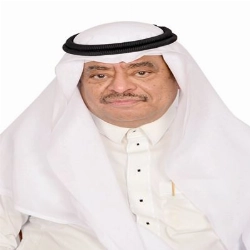
صدقة يحيى فاضل
إصلاح الدول المضطربة ونوعية الحكم..!
13 يوليو 2025 - 00:23
|
آخر تحديث 13 يوليو 2025 - 00:23


تابع قناة عكاظ على الواتساب
The famous Italian political thinker "Niccolò Machiavelli" (1469-1527) states that "political dictatorship" is necessary and inevitable in three cases: the establishment of a state from nothing, saving a state from imminent collapse, and reforming a deeply corrupt state. This was confirmed by Machiavelli in his book "The Prince," published in 1515, where he urged the Prince of Florence to adopt tyranny and use all possible means to unify Italy, with all its regions and classes, and establish a strong Italian state that could stand as an equal to the powerful European states of that time.
This was Machiavelli's message in his book "The Prince"... he wants a strong and influential state, which its prince strives to create... adopting the principle that "the ends justify the means"... and this is the famous motto attributed to him. A politician resorts to any means necessary to achieve his goal (his end), as long as resorting to it is essential for achieving his goal, even if that means contradicts the prevailing ethics and noble values. Thus, he takes, without hesitation, all means that can achieve his goal. This aspect of his thought is the opportunistic principle for which Machiavelli became famous... and thus "Machiavellianism" has come to mean "opportunism" for some...
However, in his later book published in 1521 titled "The Discourses," Machiavelli praised democracy (the rule of the majority)... while emphasizing that authoritarian dictatorship is only necessary in the three cases mentioned above. In the case of a state's reform, and the return of life to stability and an acceptable normal situation, democracy is, in his opinion, the most suitable and guarantees long-term political stability and civilizational prosperity. Thus, he did not advocate absolute rule except under conditions he specified.
****
It may be beneficial to remember this aspect of Machiavellian philosophy (some of which has become established scientific theories) when analyzing the current general political situation in some troubled Arab countries (especially: Syria, Yemen, Iraq, Libya, and others), and contemplating possible solutions, and the "best" solution to this serious political dilemma that these countries are currently suffering from... unrest, instability, fragmentation, malicious foreign interventions, absence of security... and rampant chaos... which has turned the lives of the people in these countries into unbearable hell.
Often, we will find no better than Machiavelli's prescription, especially since all three cases he referred to exist in these countries at present, and there has arisen a necessity for the existence of strong authoritarian "leaders" (who monopolize power) to overcome the crisis in these countries. It is as if a leader, or a national party, rises in each of them, seizing power, restoring security and stability to these lands that have suffered greatly since the revolutions known as the "Arab Spring" in 2011. This uprising involves temporarily overcoming sectarian and denominational disputes, until the country stabilizes, and the political process begins that ultimately guarantees everyone their rights, according to a new accepted constitution.
****
Let us take Libya as a vivid example of this situation we are discussing here. Its people revolted against the corrupt Libyan dictator Muammar Gaddafi on 17/2/2011, demanding their rights that Gaddafi had deprived them of for more than forty years. After getting rid of that tyrant, Libya fell into chaos of disputes and the snares of unrest, and the flames of civil war - as is known. Here, the need became clear for someone to break into this scene, seize power with an iron fist, and prevent the fragmentation and tearing of the country. Then, he should immediately begin to lead his country to safety, according to the necessary political procedures and steps in this case.
Thus, this new (savior) dictator must be a "reformer"; to be remembered and honored by the history of his country. He should not resemble most of the tyrants in today's world and the past. He must restore security, stability, and institutionalism to Libya, and then allow the people to choose the executive and legislative authorities in his government, according to the agreed-upon constitution. If he is not righteous and reformist, and clings to power by force, then the Libyan people will have revolted against one dictator only to fall into the grip of another. Political instability will return to Libya, both latent and overt. A new conflict will arise between the majority of this people and a "new Muammar Gaddafi," and a popular revolution against the tyrant will likely occur later, plunging Libya once again into a vortex of deadly chaos; therefore, the condition for the new dictator to be a "reformer" is a fundamental, necessary, and vital condition in the situation of Libya and similar countries.
It would have been possible to benefit from this vision and implement this scenario - with some differences in details - in both Syria and Yemen, and others. This is on the theoretical side. However, if this type of governance is not available temporarily in reality, then evil may prevail, madness may dominate, and personal and factional interests may triumph. Consequently, destructive chaos will prevail, and the peoples will be crushed. This is something that loyal citizens, and all good people in the world, would not accept.
This was Machiavelli's message in his book "The Prince"... he wants a strong and influential state, which its prince strives to create... adopting the principle that "the ends justify the means"... and this is the famous motto attributed to him. A politician resorts to any means necessary to achieve his goal (his end), as long as resorting to it is essential for achieving his goal, even if that means contradicts the prevailing ethics and noble values. Thus, he takes, without hesitation, all means that can achieve his goal. This aspect of his thought is the opportunistic principle for which Machiavelli became famous... and thus "Machiavellianism" has come to mean "opportunism" for some...
However, in his later book published in 1521 titled "The Discourses," Machiavelli praised democracy (the rule of the majority)... while emphasizing that authoritarian dictatorship is only necessary in the three cases mentioned above. In the case of a state's reform, and the return of life to stability and an acceptable normal situation, democracy is, in his opinion, the most suitable and guarantees long-term political stability and civilizational prosperity. Thus, he did not advocate absolute rule except under conditions he specified.
****
It may be beneficial to remember this aspect of Machiavellian philosophy (some of which has become established scientific theories) when analyzing the current general political situation in some troubled Arab countries (especially: Syria, Yemen, Iraq, Libya, and others), and contemplating possible solutions, and the "best" solution to this serious political dilemma that these countries are currently suffering from... unrest, instability, fragmentation, malicious foreign interventions, absence of security... and rampant chaos... which has turned the lives of the people in these countries into unbearable hell.
Often, we will find no better than Machiavelli's prescription, especially since all three cases he referred to exist in these countries at present, and there has arisen a necessity for the existence of strong authoritarian "leaders" (who monopolize power) to overcome the crisis in these countries. It is as if a leader, or a national party, rises in each of them, seizing power, restoring security and stability to these lands that have suffered greatly since the revolutions known as the "Arab Spring" in 2011. This uprising involves temporarily overcoming sectarian and denominational disputes, until the country stabilizes, and the political process begins that ultimately guarantees everyone their rights, according to a new accepted constitution.
****
Let us take Libya as a vivid example of this situation we are discussing here. Its people revolted against the corrupt Libyan dictator Muammar Gaddafi on 17/2/2011, demanding their rights that Gaddafi had deprived them of for more than forty years. After getting rid of that tyrant, Libya fell into chaos of disputes and the snares of unrest, and the flames of civil war - as is known. Here, the need became clear for someone to break into this scene, seize power with an iron fist, and prevent the fragmentation and tearing of the country. Then, he should immediately begin to lead his country to safety, according to the necessary political procedures and steps in this case.
Thus, this new (savior) dictator must be a "reformer"; to be remembered and honored by the history of his country. He should not resemble most of the tyrants in today's world and the past. He must restore security, stability, and institutionalism to Libya, and then allow the people to choose the executive and legislative authorities in his government, according to the agreed-upon constitution. If he is not righteous and reformist, and clings to power by force, then the Libyan people will have revolted against one dictator only to fall into the grip of another. Political instability will return to Libya, both latent and overt. A new conflict will arise between the majority of this people and a "new Muammar Gaddafi," and a popular revolution against the tyrant will likely occur later, plunging Libya once again into a vortex of deadly chaos; therefore, the condition for the new dictator to be a "reformer" is a fundamental, necessary, and vital condition in the situation of Libya and similar countries.
It would have been possible to benefit from this vision and implement this scenario - with some differences in details - in both Syria and Yemen, and others. This is on the theoretical side. However, if this type of governance is not available temporarily in reality, then evil may prevail, madness may dominate, and personal and factional interests may triumph. Consequently, destructive chaos will prevail, and the peoples will be crushed. This is something that loyal citizens, and all good people in the world, would not accept.