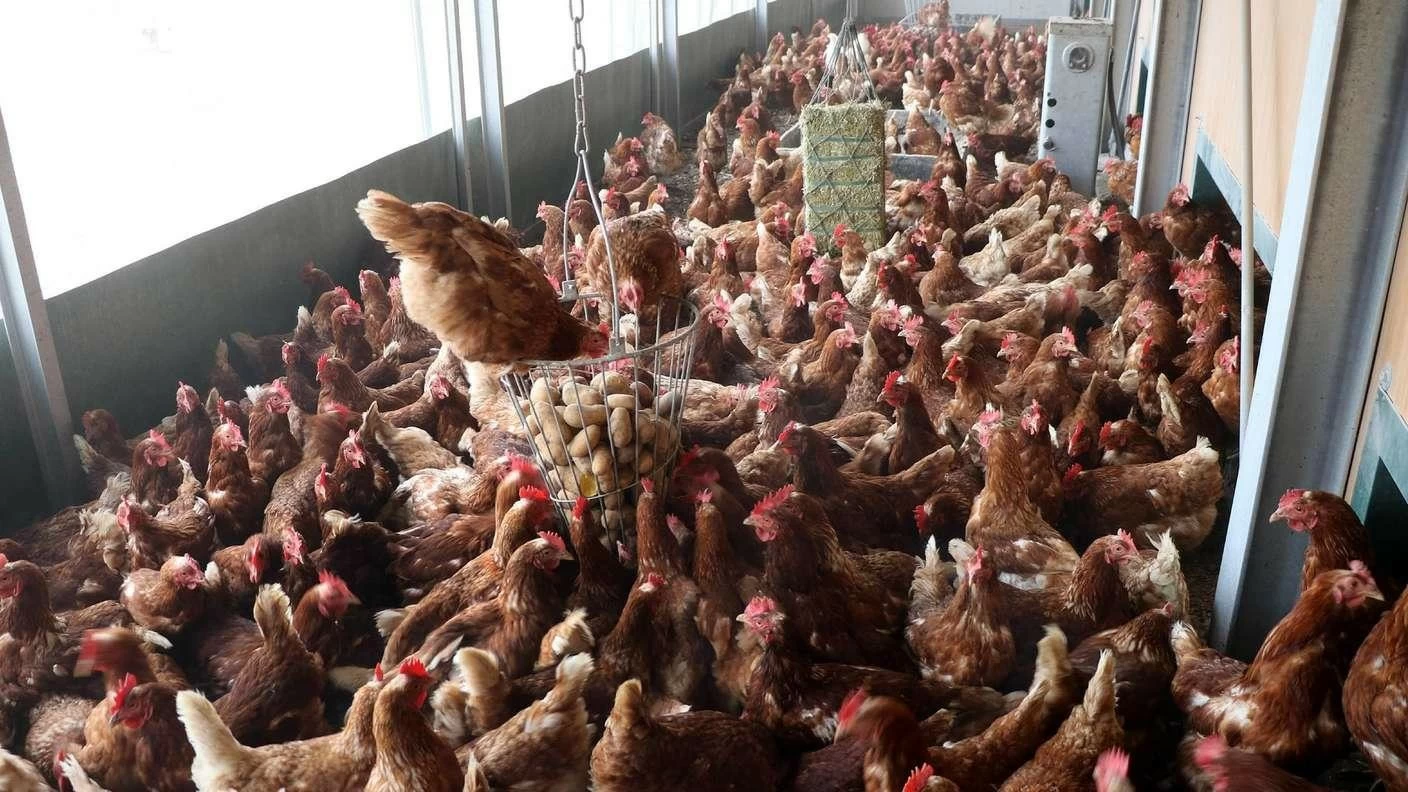
رفعت السلطات الصحية في ألمانيا مستوى مخاطر انتشار إنفلونزا الطيور إلى «مرتفع»، بعد تسجيل زيادة في الإصابات بين الطيور البرية والدواجن داخل المزارع، وسط مخاوف من اتساع نطاق العدوى خلال الأسابيع القادمة، بالتزامن مع انخفاض درجات الحرارة وموسم هجرة الطيور.
وأوضح معهد فريدريش لوفلر الألماني، المختص بصحة الحيوان، اليوم (السبت)، أن الإصابات بدأت بالارتفاع مجددًا منذ أكتوبر الماضي، بعد فترة من الهدوء النسبي استمرت حتى سبتمبر، مشيرًا إلى أن زيادة انتشار الفيروس لا تقتصر على ألمانيا، بل تشمل مناطق أخرى في أوروبا.
إصابات جديدة وإعدام آلاف الطيور
وبحسب وكالة الأنباء الألمانية، سجلت السلطات إصابات متكررة في مزارع بشمال البلاد، كان أبرزها اكتشاف الفيروس في مزرعة تضم نحو 6 آلاف ديك رومي بمنطقة أوريش في ولاية سكسونيا السفلى، ما استدعى إعدام الطيور المصابة بالعدوى والموجودة في المزرعة للحد من انتشار المرض.
كما أعلنت السلطات، أمس (الجمعة)، اكتشاف أول إصابة بالموسم الحالي داخل إحدى مزارع ولاية مكلنبورغ فوربومرن، حيث جرى التخلص من نحو 6 آلاف طائر آخر في منطقة روستوك، مع فرض إجراءات وقائية لمنع انتقال الفيروس إلى المزارع المجاورة.
رفع مستوى المخاطر
وصنّف المعهد الألماني خطر انتقال الفيروس وانتشاره بين الطيور البرية بأنه مرتفع، بعدما كان عند المستوى المتوسط، كما رفع تقييم مخاطر انتقال العدوى من الطيور البرية إلى مزارع الدواجن إلى المستوى نفسه.
في المقابل، أبقى المعهد خطر انتقال الفيروس بين المزارع المختلفة عند المستوى المتوسط، محذرًا من أن انخفاض درجات الحرارة وحركة الطيور المهاجرة قد يسهمان في زيادة انتشار العدوى.
إجراءات مشددة لحماية المزارع
ودفعت الإصابات الجديدة السلطات المحلية إلى فرض مناطق حماية ومراقبة حول المزارع المتضررة، تشمل قيودًا على حركة الدواجن وتشديد إجراءات النظافة والتعقيم.
كما تقرر إلزام منشآت تربية الدواجن التي تضم 5 آلاف طائر أو أكثر في إحدى مناطق ولاية مكلنبورغ فوربومرن بإبقاء الطيور داخل حظائر مغلقة أو منشآت محمية من الطيور البرية، اعتبارًا من 9 نوفمبر الجاري.
ورغم ارتفاع المخاطر على الطيور، تؤكد التقييمات الصحية الأوروبية أن خطر انتقال إنفلونزا الطيور إلى عامة السكان لا يزال منخفضًا، فيما يوصي الخبراء بتجنب ملامسة الطيور المريضة أو النافقة، والالتزام بإجراءات الوقاية داخل المزارع.
The health authorities in Germany have raised the risk level for the spread of avian influenza to "high," following an increase in infections among wild birds and poultry within farms, amid concerns about the potential for the infection to spread in the coming weeks, coinciding with falling temperatures and the bird migration season.
The Friedrich Loeffler Institute in Germany, which specializes in animal health, stated today (Saturday) that infections have begun to rise again since last October, after a period of relative calm that lasted until September, noting that the increased spread of the virus is not limited to Germany but also includes other areas in Europe.
New infections and culling of thousands of birds
According to the German news agency, authorities have recorded repeated infections in farms in the north of the country, the most notable being the discovery of the virus in a farm housing about 6,000 turkeys in the district of Aurich in Lower Saxony, which necessitated the culling of infected birds on the farm to limit the spread of the disease.
Authorities also announced yesterday (Friday) the discovery of the first infection of the current season in one of the farms in the state of Mecklenburg-Vorpommern, where approximately 6,000 other birds were culled in the Rostock area, along with the implementation of preventive measures to prevent the virus from spreading to neighboring farms.
Raising the risk level
The German institute classified the risk of the virus spreading among wild birds as high, up from a medium level, and raised the risk assessment for the transmission of the infection from wild birds to poultry farms to the same level.
Conversely, the institute maintained the risk of virus transmission among different farms at a medium level, warning that falling temperatures and the movement of migratory birds could contribute to an increase in the spread of the infection.
Strict measures to protect farms
The new infections have prompted local authorities to impose protection and monitoring zones around the affected farms, which include restrictions on the movement of poultry and tightened hygiene and disinfection measures.
It has also been decided to require poultry farming facilities that house 5,000 birds or more in certain areas of Mecklenburg-Vorpommern to keep the birds inside closed barns or facilities protected from wild birds, starting from November 9 of this year.
Despite the heightened risks to birds, European health assessments confirm that the risk of avian influenza spreading to the general population remains low, while experts recommend avoiding contact with sick or dead birds and adhering to preventive measures within farms.