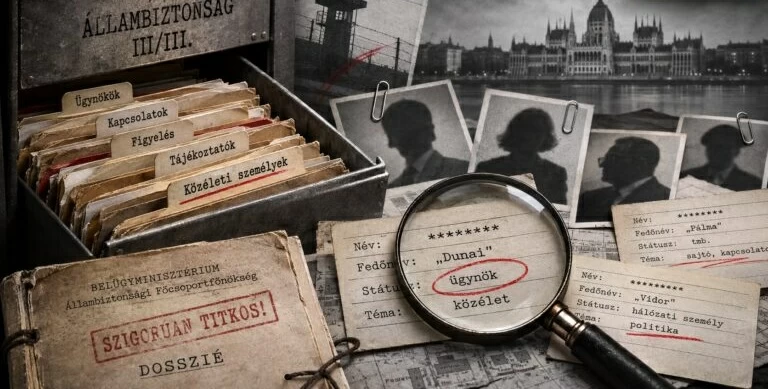
استيقظ الشارع المجري على واحدة من أرعب الصدمات السياسية والتاريخية، بعدما سقط الستار الحديدي ليعرّي أسراراً مدفونة لعقود داخل أقبية جهاز الاستخبارات الشيوعي. لم تكن القوائم المسربة عادية أو عابرة، بل عصفت مباشرة بقمة الهرم السيادي في البلاد، مطيحة بأسماء ثقيلة تشغل أرفع المناصب الحساسة، وفي طليعتها قاضٍ رفيع المستوى في المحكمة الدستورية، ووزير خارجية سابق، إلى جانب نخبة لامعة من رؤساء الجامعات الكبرى وأساقفة الكنيسة ورموز المجتمع والعلوم.
أزاحت النقاب وثائق جرى الإفراج عنها حديثاً عبر البوابة الأرشيفية الرسمية، وضمت آلاف الأسماء المدونة بعناية في تلك «الدفاتر السوداء»، ليتبيّن أن شخصيات هندست سياسات المجر وقادت واجهاتها القانونية والروحية والأكاديمية لسنوات طويلة، كانت مسجلة ضمن شبكات التعاون السري للحقبة البائدة. وما أن انتشرت خيوط الفضيحة حتى اشتعلت جبهة التبريرات والدفاعات المستميتة، فبينما اختبأ البعض خلف أحكام قضائية سابقة أو نفى تقديم أي تقارير فعلية، اعترف آخرون بوقائع الاستدعاء القسري تحت وطأة التهديد المباشر للمسيرة المهنية والعائلية.
هذا الزلزال المكتوم حول أروقة السلطة والقرار في المجر إلى مسرح لمحاكمة أخلاقية عاصفة، حيث تقف النخبة الحاكمة اليوم في مواجهة مرآة ماضيها السري، متسائلة عما إذا كانت الحصانات والمواقع السيادية كفيلة بمحو آثار ملفات استخباراتية عادت لتطفو على السطح في مواجهة مجتمع لا يرحم.
The Hungarian street woke up to one of the most terrifying political and historical shocks, as the Iron Curtain fell to expose secrets buried for decades within the vaults of the communist intelligence agency. The leaked lists were not ordinary or trivial; they directly shook the very top of the sovereign hierarchy in the country, toppling heavyweights holding the most sensitive positions, including a high-ranking judge in the constitutional court, a former foreign minister, along with a shining elite of university presidents, church bishops, and symbols of society and science.
Recently released documents unveiled through the official archival portal contained thousands of names carefully recorded in those "black notebooks," revealing that figures who engineered Hungary's policies and led its legal, spiritual, and academic fronts for many years were registered within the networks of secret cooperation from the bygone era. As the threads of the scandal spread, the front of justifications and desperate defenses ignited; while some hid behind previous judicial rulings or denied submitting any actual reports, others admitted to the realities of forced summons under the direct threat to their professional and family lives.
This muted earthquake turned the corridors of power and decision-making in Hungary into a stage for a stormy moral trial, where the ruling elite today stands before the mirror of its secret past, questioning whether immunities and sovereign positions are enough to erase the traces of intelligence files that have resurfaced against a merciless society.