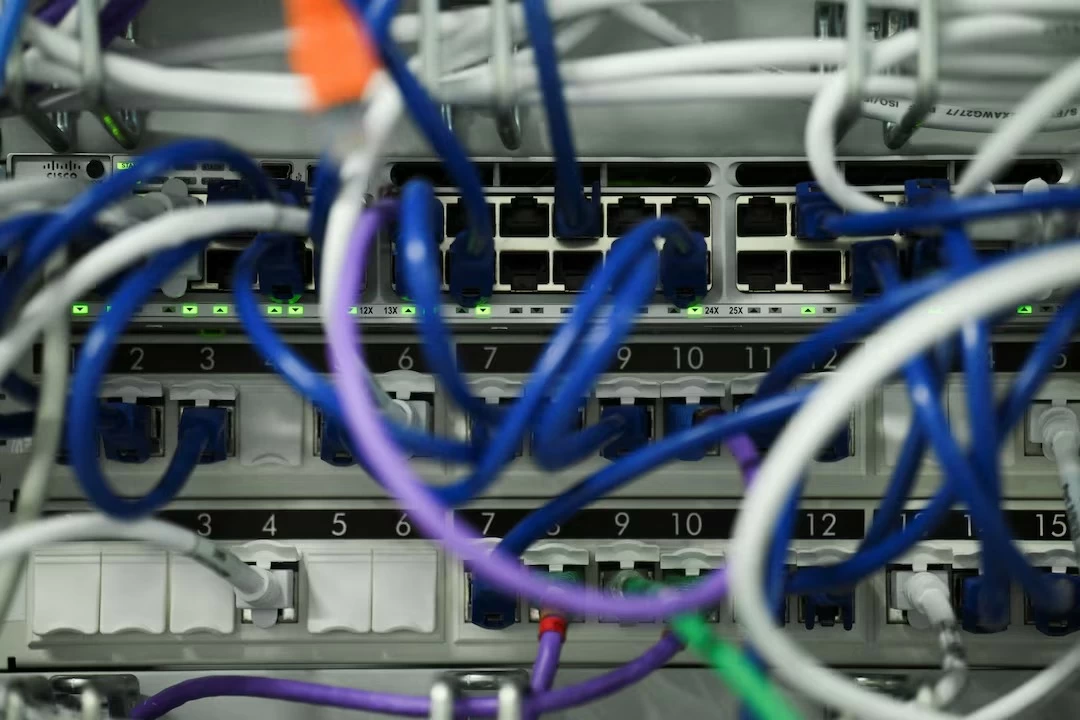
شهدت مواقع حكومية وخدمية في عدد من الدول الأوروبية ومناطق أخرى اضطرابات وانقطاعات، مساء (الأربعاء)، عقب الكشف عن ثغرات أمنية خطيرة في لغة البرمجة «PHP» المستخدمة على نطاق واسع في تشغيل المواقع الإلكترونية، ما دفع مؤسسات وهيئات إلى تعطيل خدماتها مؤقتاً كإجراء احترازي، وسط تحذيرات من استغلال القراصنة لهذه الثغرات في هجمات إلكترونية واسعة.
وأصدر مطورو لغة PHP تحديثات أمنية عاجلة لمعالجة الثغرات التي ظلت مخفية في الشيفرة البرمجية لسنوات طويلة، قبل اكتشافها بمساعدة أدوات الذكاء الاصطناعي.
ودعا المطورون جميع المستخدمين إلى تثبيت التحديثات الجديدة فوراً، في وقت حذّرت فيه شركات تقنية وأمن سيبراني من أن بعض الجهات المهاجمة بدأت بالفعل محاولات لاستغلال نقاط الضعف المكتشفة.
ومع نشر الإصلاحات الأمنية وإمكانية استخدام الذكاء الاصطناعي لتحليل الثغرات وإعادة بناء آليات استغلالها، يتسابق مسؤولو الأنظمة لتأمين خوادمهم قبل أن يتمكن المهاجمون من استغلالها.
وقال كوستين رايو، الشريك المؤسس لشركة «TLP:Black» المتخصصة في أبحاث الأمن السيبراني والاستجابة للحوادث، إن الذكاء الاصطناعي يغذي «سباقاً للاستغلال»، محذراً من أن المرحلة التالية قد تشهد اختراقاً واسع النطاق للخوادم المعرضة للخطر على الإنترنت.
ثغرات تهدد جزءاً واسعاً من البنية التحتية للإنترنت
وتُعد PHP من لغات البرمجة القديمة نسبياً، إذ تعود بداياتها إلى أوائل تسعينيات القرن الماضي، وكانت الأحرف الأولى من اسمها تشير في الأصل إلى عبارة «الصفحة الرئيسية الشخصية»، وتُستخدم اللغة على نطاق واسع لتشغيل المواقع الإلكترونية، كما تشكل جزءاً أساسياً من أنظمة إدارة المحتوى الشهيرة، مثل «ووردبريس» و«دروبال» و«جوملا» و«ماجنتو».
وتكمن خطورة الثغرات المكتشفة في اتساع نطاق استخدام اللغة، ما يعني أن الأنظمة غير المحدثة قد تصبح هدفاً لهجمات تستغل نقاط الضعف للوصول إلى الخوادم أو التأثير في الخدمات التي تستضيفها.
وقالت تيفاني فارس، الرئيسة التنفيذية المؤقتة لجمعية دروبال، إن الخوادم التي تستخدم إصدارات من PHP صدرت خلال العشرين عاماً الماضية قد تكون معرضة للخطر، مشيرة إلى أن المشكلة تمس جزءاً كبيراً من الإنترنت.
ودعت وكالات الأمن السيبراني حول العالم مستخدمي اللغة إلى تثبيت التحديثات الأمنية فوراً، أو تعطيل المواقع مؤقتاً إلى حين تطبيق الإصلاحات اللازمة.
وبحسب بيانات شركة «Censys» المتخصصة في استخبارات الإنترنت، فإن نحو 1.5 مليون خادم من أصل 2.6 مليون خادم ترصدها البيانات كانت تعمل بإصدارات من PHP لا يتوافر لها إصلاح أمني، ما يسلط الضوء على اتساع نطاق الأنظمة التي قد تحتاج إلى تدخل عاجل.
مواقع حكومية وخدمية خارج الخدمة
في هولندا، أعلن المركز الوطني للأمن السيبراني تعطيل خدماته الإلكترونية مؤقتاً كإجراء احترازي، كما اتخذت مؤسسات أخرى خطوات مماثلة لحماية أنظمتها.
وشملت الإجراءات مواقع ميناء روتردام، والبوابة الحكومية «Overheid.nl»، والاتحاد الهولندي لكرة القدم، إلى جانب مواقع أكبر خمسة أحزاب سياسية في البلاد وعدد من المواقع التابعة للمستشفيات.
كما أعلنت مؤسسة «ويكيبيديا» المشغلة للموسوعة الإلكترونية أنها أوقفت عدداً غير محدد من الأنظمة إلى حين التأكد من إمكانية تحديثها بأمان، فيما أفادت مؤسسة «Internet Archive»، التي تدير مكتبة رقمية ضخمة، بأنها أوقفت خدماتها لفترة وجيزة للتعامل مع المشكلة.
وفي الدنمارك، أعلنت شركة «Kombit» المتخصصة في خدمات تقنية المعلومات للبلديات إيقاف عدد من الخدمات، من بينها المنصة الوطنية للتواصل المدرسي.
أما في فنلندا، فقالت شركة «Valtori» الحكومية المسؤولة عن خدمات تقنية المعلومات إن خدمات الشبكة العامة الحكومية أُوقفت احترازياً.
وفي فرنسا، أعلنت وزارة الداخلية وضع جميع مواقعها الإلكترونية في حالة صيانة وقائية، في إطار الإجراءات الرامية إلى الحد من مخاطر استغلال الثغرات.
وامتدت تداعيات الأزمة إلى مسؤولين حكوميين؛ إذ قال رئيس الوزراء الهولندي إنه يتابع التطورات عن كثب، فيما دعت رئيسة الوزراء اليابانية ساناي تاكايتشي، في منشور على منصة «إكس»، مالكي المواقع الإلكترونية إلى التحقق مما إذا كانت مواقعهم تستخدم PHP والاستعداد لتطبيق الإصلاح الأمني الجديد.
الذكاء الاصطناعي وراء اكتشاف الثغرات
وأفادت شركتا الأمن السيبراني «Calif» و«Wiz» بأن الثغرات اكتُشفت بمساعدة أدوات الذكاء الاصطناعي، في تطور يعكس الدور المتنامي لهذه التقنيات في تحليل الشيفرات البرمجية واكتشاف نقاط الضعف الأمنية.
وقالت «Calif» في تدوينة إنها اكتشفت الثغرات في الأول من أغسطس بمساعدة نموذج لغوي كبير، وبدأت العمل على معالجتها منذ ذلك الحين.
من جانبها، أوضحت «Wiz»، التابعة لشركة «ألفابت»، أنها استخدمت أداة «Wiz Atlas» المخصصة لأبحاث الثغرات الأمنية المستقلة، إلى جانب نماذج ذكاء اصطناعي شملت «Gemini 4 Argon» و«GPT-5.6 Sol»، وفقاً لما ورد في تقريرها.
وأشارت الشركة إلى أن الثغرات ظلت مخفية في الشيفرة البرمجية لـPHP لأكثر من عقد من الزمن، وأن استغلالها كان سيتطلب عملاً يدوياً بالغ التعقيد من جانب الباحثين أو المهاجمين قبل ظهور أدوات الذكاء الاصطناعي.
وأضافت الشركتان أنهما نسّقتا جهودهما مع بعضهما ومع فريق PHP وشركة «OpenAI» بشأن اكتشاف الثغرات.
وقال البيت الأبيض إنه أُبلغ بالثغرة (الجمعة)، وفقاً لبيان صادر عنه.
محاولات استغلال قبل الإعلان الرسمي
وفي مؤشر على احتمال بدء محاولات الاستغلال قبل الكشف العلني عن الثغرات، قال سي جيه موزيس، رئيس الأمن في شركة «أمازون»، إن فريق الشركة رصد محاولة لاستهداف أحد أنظمة الطُعم الأمنية التابعة لها في 17 أكتوبر، أي قبل أربعة أيام من الإعلان العام عن المشكلة.
وأوضح موزيس، في تدوينة نُشرت مساء (الأربعاء)، أن المحاولة جاءت من عنوان مجهول على الإنترنت، ما يشير إلى نشاط جهة تهديد محتملة، لكنه أشار إلى أن الشركة لم تتمكن من تحديد كيفية معرفة المهاجمين بالثغرات خلال فترة حظر الإفصاح عنها.
وأضاف أن محاولات أخرى نفذتها جهات متعددة رُصدت (الأربعاء)، قبل رفع قيود الإفصاح، مشيراً إلى أن أمازون لم تتمكن من التأكد مما إذا كانت تلك المحاولات ستنجح ضد مواقع حقيقية.
ومع ذلك، قالت الشركة إن الثغرات أصبحت تُستغل على نطاق واسع في هجمات فعلية عبر الإنترنت، ما يعزز الحاجة إلى الإسراع في تحديث الأنظمة المتأثرة.
تحذيرات من موجة اختراقات واسعة
وتُظهر بيانات شركة «W3Techs» المتخصصة في تتبع تقنيات الويب أن PHP تُستخدم في نحو 75% من المواقع التي يمكن تحديد لغة البرمجة المستخدمة فيها، وهو ما يفسر المخاوف من اتساع نطاق الأضرار المحتملة إذا بقيت الخوادم دون تحديث.
وقال لوكاش أوليجنيك، الباحث الزائر البارز في كلية كينغز لندن، إن حجم الأنظمة المتأثرة كبير، وإن الاستعانة بالذكاء الاصطناعي قد تجعل استغلال الثغرات أسرع بكثير.
وفي المقابل، أعلنت شركة «Automattic»، المشغلة لخدمة «WordPress.com»، أن مستخدمي حلول الاستضافة التي توفرها الشركة وخدمة «Tumblr» غير معرضين للثغرة المعنية، وفقاً لبيانها.
وتتركز المخاطر بدرجة أكبر على المواقع الصغيرة التي يديرها أفراد أو مؤسسات محدودة الموارد التقنية، خصوصاً المواقع المستضافة على خوادم مشتركة لا يملك أصحابها صلاحية إدارة البنية التحتية الأساسية أو تحديثها بأنفسهم.
وتسلط الأزمة الضوء على التحدي المتزايد الذي يفرضه الذكاء الاصطناعي على الأمن السيبراني؛ فالتقنيات التي تساعد الباحثين على اكتشاف العيوب البرمجية ومعالجتها يمكن أن تتيح للمهاجمين أيضاً تحليلها بسرعة وتطوير وسائل لاستغلالها.
وفي ظل اتساع استخدام PHP واعتماد عدد كبير من المؤسسات على أنظمة قديمة، يبقى تحديث البرمجيات المتأثرة والتحقق من سلامة الخوادم من أبرز الخطوات العاجلة للحد من مخاطر الاختراقات وتعطّل الخدمات الرقمية.
Government and service sites in several European countries and other regions experienced disruptions and outages on Wednesday evening, following the revelation of serious security vulnerabilities in the widely used programming language "PHP," which powers many websites. This prompted institutions and agencies to temporarily suspend their services as a precautionary measure, amid warnings about hackers exploiting these vulnerabilities for large-scale cyberattacks.
PHP developers issued urgent security updates to address vulnerabilities that had remained hidden in the code for many years, before being discovered with the help of artificial intelligence tools.
Developers urged all users to install the new updates immediately, while tech and cybersecurity companies warned that some attacking entities had already begun attempts to exploit the discovered weaknesses.
With the release of security fixes and the potential use of artificial intelligence to analyze vulnerabilities and reconstruct exploitation mechanisms, system administrators are racing to secure their servers before attackers can take advantage of them.
Costin Raiu, co-founder of "TLP:Black," a cybersecurity research and incident response firm, stated that artificial intelligence fuels a "race for exploitation," warning that the next phase could see widespread breaches of vulnerable servers on the internet.
Vulnerabilities Threatening a Large Part of Internet Infrastructure
PHP is considered a relatively old programming language, with its origins dating back to the early 1990s. Its name originally referred to "Personal Home Page," and the language is widely used to run websites, forming an essential part of popular content management systems such as "WordPress," "Drupal," "Joomla," and "Magento."
The danger of the discovered vulnerabilities lies in the extensive use of the language, meaning that unpatched systems could become targets for attacks that exploit weaknesses to access servers or affect the services they host.
Tiffany Farris, the interim CEO of the Drupal Association, stated that servers using versions of PHP released over the past twenty years may be at risk, noting that the issue affects a significant portion of the internet.
Cybersecurity agencies worldwide have urged users of the language to install security updates immediately or temporarily disable their sites until the necessary fixes are applied.
According to data from "Censys," a company specializing in internet intelligence, approximately 1.5 million servers out of 2.6 million monitored were running versions of PHP that do not have a security patch available, highlighting the widespread nature of systems that may require urgent intervention.
Government and Service Sites Offline
In the Netherlands, the National Cybersecurity Center announced a temporary suspension of its electronic services as a precautionary measure, with other institutions taking similar steps to protect their systems.
The measures included the Port of Rotterdam website, the government portal "Overheid.nl," the Royal Dutch Football Association, as well as the websites of the five largest political parties in the country and several hospital-related sites.
The "Wikipedia" foundation announced that it had suspended an unspecified number of systems until it could ensure they could be updated safely, while the "Internet Archive," which manages a massive digital library, stated it briefly halted its services to address the issue.
In Denmark, "Kombit," a company specializing in IT services for municipalities, announced the suspension of several services, including the national platform for school communication.
In Finland, the government IT services company "Valtori" stated that public government network services were suspended as a precaution.
In France, the Ministry of the Interior announced that all its websites were placed in a state of preventive maintenance as part of measures aimed at reducing the risks of exploiting vulnerabilities.
The repercussions of the crisis extended to government officials; the Dutch Prime Minister stated he was closely monitoring developments, while Japanese Prime Minister Sanae Takaichi urged website owners in a post on "X" to check if their sites use PHP and to prepare to implement the new security fix.
Artificial Intelligence Behind Vulnerability Discovery
Cybersecurity companies "Calif" and "Wiz" reported that the vulnerabilities were discovered with the help of artificial intelligence tools, reflecting the growing role of these technologies in analyzing code and identifying security weaknesses.
Calif stated in a blog post that it discovered the vulnerabilities on August 1 with the help of a large language model and began working on addressing them since then.
For its part, "Wiz," a subsidiary of "Alphabet," explained that it used the "Wiz Atlas" tool dedicated to independent vulnerability research, along with AI models including "Gemini 4 Argon" and "GPT-5.6 Sol," according to its report.
The company noted that the vulnerabilities had remained hidden in the PHP code for over a decade, and exploiting them would have required extremely complex manual work from researchers or attackers before the emergence of artificial intelligence tools.
The two companies added that they coordinated their efforts with each other and with the PHP team and "OpenAI" regarding the discovery of the vulnerabilities.
The White House stated that it was informed of the vulnerability on Friday, according to a statement issued.
Exploitation Attempts Before Official Announcement
In an indication that attempts to exploit the vulnerabilities may have begun before their public disclosure, C.J. Moses, head of security at "Amazon," stated that the company's team detected an attempt to target one of its security honeypot systems on October 17, four days before the public announcement of the issue.
Moses explained in a blog post published on Wednesday evening that the attempt came from an unknown internet address, indicating potential threat actor activity, but noted that the company could not determine how the attackers learned about the vulnerabilities during the disclosure ban period.
He added that other attempts by multiple entities were detected on Wednesday, before the lifting of disclosure restrictions, noting that Amazon could not confirm whether those attempts would succeed against real sites.
However, the company stated that the vulnerabilities were being widely exploited in actual online attacks, reinforcing the need to expedite updates for affected systems.
Warnings of a Wave of Widespread Breaches
Data from "W3Techs," a company specializing in tracking web technologies, shows that PHP is used in about 75% of websites where the programming language can be identified, which explains the concerns about the potential extent of damage if servers remain unpatched.
Lukasz Oliejnik, a senior visiting researcher at King's College London, stated that the scale of affected systems is significant, and the use of artificial intelligence could make exploiting the vulnerabilities much faster.
In contrast, "Automattic," which operates the "WordPress.com" service, announced that users of the hosting solutions provided by the company and the "Tumblr" service are not at risk from the relevant vulnerability, according to its statement.
The risks are more concentrated on small sites managed by individuals or organizations with limited technical resources, especially those hosted on shared servers where owners do not have the authority to manage or update the underlying infrastructure themselves.
The crisis highlights the increasing challenge that artificial intelligence poses to cybersecurity; the technologies that help researchers discover and address software flaws can also enable attackers to quickly analyze and develop means to exploit them.
Given the widespread use of PHP and the reliance of many organizations on outdated systems, updating affected software and verifying the integrity of servers remain among the most urgent steps to mitigate the risks of breaches and disruptions to digital services.