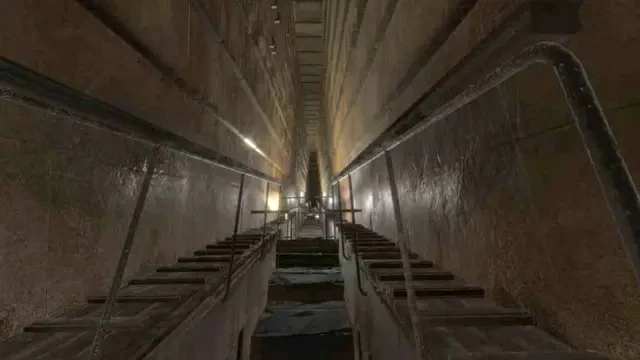
في ضربة قوية لادعاءات أثارت جدلاً واسعاً حول أسرار أهرامات الجيزة، سحبت مجلة «Remote Sensing» دراسة إيطالية زعمت إمكانية رصد غرف وبنى مخفية داخل هرم خوفو باستخدام تقنيات الرادار الفضائي، بعدما خلصت إلى وجود عيوب منهجية جسيمة وأخطاء إحصائية جعلت نتائجها غير موثوقة.
وكان الباحثان الإيطاليان فيليبو بيوندي وكورادو مالانغا قد نشرا الدراسة عام 2022، مدعيين رصد نحو 20 بنية مخفية داخل هرم خوفو، بينها ممرات وغرف ومنحدرات، إضافة إلى ما وصفاه بـ«الفراغ الكبير»، بل وتحدثا عن وجود «مدينة كاملة تحت الأرض».
ادعاءات أثارت جدلاً واسعاً
اعتمد الباحثان على تقنية للتصوير بالرادار الفضائي، زعما أنها قادرة على تحليل اهتزازات سطحية دقيقة وإعادة بناء صور للبنى الموجودة داخل الهرم دون الحاجة إلى دخوله.
وتجدد الجدل في مارس 2025، بعدما أعلن الفريق تطبيق التقنية على هرم خفرع، مدعياً اكتشاف ثمانية أعمدة أسطوانية تمتد إلى أعماق كبيرة، وهي ادعاءات حظيت بانتشار واسع عبر منصات التواصل الاجتماعي.
إلا أن عالم الآثار المصري زاهي حواس رفض هذه النتائج، مؤكداً عدم وجود دليل علمي يثبت وجود تلك المنشآت، كما أشار إلى أن الباحثين لم يحصلا على تصريح رسمي للعمل داخل هرم خفرع.
المجلة تحسم الجدل
وانتقد متخصصون في الرادار كذلك قدرة الأقمار الصناعية على كشف تفاصيل هندسية دقيقة على أعماق مئات الأمتار، في ظل غياب أي مسح ميداني مستقل يؤكد النتائج المعلنة.
وأكدت «Remote Sensing» في إشعار السحب أنها فتحت تحقيقاً بعد بلاغ من أحد القراء، وانتهت إلى أن نتائج الدراسة غير موثوقة بسبب مشكلات منهجية وإحصائية.
ورغم سحب الدراسة، يواصل بيوندي الترويج لمشروعه، معلناً تقدمه بطلب للحصول على تصاريح لإجراء قياسات ميدانية في مصر، دون إعلان صدور موافقة رسمية حتى الآن.
In a strong blow to claims that sparked widespread controversy regarding the secrets of the Giza Pyramids, the journal "Remote Sensing" retracted an Italian study that claimed the possibility of detecting hidden chambers and structures within the Great Pyramid of Khufu using space radar techniques, after concluding that there were serious methodological flaws and statistical errors that rendered its results unreliable.
The Italian researchers Filippo Buondi and Corrado Malanga published the study in 2022, claiming to have detected about 20 hidden structures within the Great Pyramid of Khufu, including passages, chambers, and slopes, in addition to what they described as the "great void," and even spoke of a "complete city underground."
Claims that sparked widespread controversy
The researchers relied on a technique for space radar imaging, claiming it could analyze minute surface vibrations and reconstruct images of the structures inside the pyramid without the need to enter it.
The controversy renewed in March 2025, after the team announced the application of the technique to the Pyramid of Khafre, claiming to have discovered eight cylindrical columns extending to great depths, claims that gained widespread attention across social media platforms.
However, Egyptian archaeologist Zahi Hawass rejected these results, asserting that there is no scientific evidence to prove the existence of those structures, and noted that the researchers did not obtain official permission to work inside the Pyramid of Khafre.
The journal settles the controversy
Radar specialists also criticized the ability of satellites to reveal precise engineering details at depths of hundreds of meters, in the absence of any independent field survey to confirm the announced results.
"Remote Sensing" confirmed in its retraction notice that it opened an investigation following a report from a reader, concluding that the study's results were unreliable due to methodological and statistical issues.
Despite the retraction of the study, Buondi continues to promote his project, announcing that he has applied for permits to conduct field measurements in Egypt, without announcing any official approval as of yet.