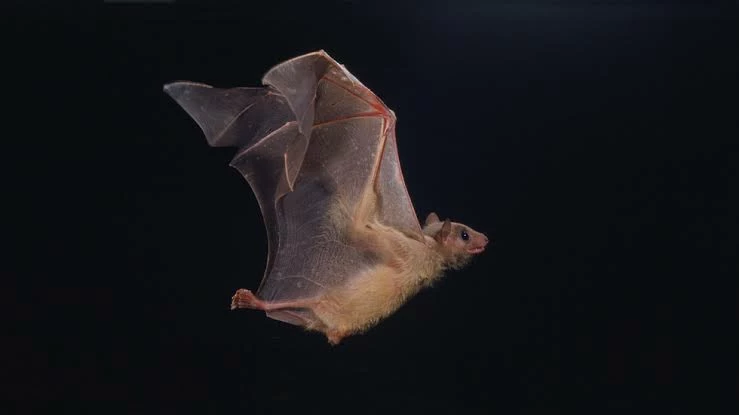
في عالم الخفافيش، قد لا يكون المظهر وحده كافياً لمعرفة هوية النوع، إذ يمكن لكائنات متقاربة الشكل أن تخفي اختلافات جوهرية لا تكشفها إلا الأصوات والبيانات الجينية. وهذا ما دفع فريقاً من العلماء إلى الجمع بين الشكل والصوت والحمض النووي لتقديم وصف أكثر دقة لخفاش نادر يعيش في جنوب الهند.
وركزت الدراسة على خفاش حدوة الحصان الأحمر Rhinolophus indorouxii، وهو نوع متوطن في جنوب الهند، سبق التعرف إليه بوصفه نوعاً شقيقاً قريباً من أنواع أخرى، إلا أن المعلومات العلمية المتعلقة بصفاته الجسدية ظلت محدودة.
وتنتمي الخفافيش إلى ثاني أكبر مجموعة من الثدييات من حيث عدد الأنواع، وفقاً لموقع «Novataxa»، كما تتميز بما يعرف بـ«التنوع الخفي»، إذ قد تتشابه أنواع مختلفة بدرجة كبيرة في مظهرها الخارجي، بينما تكشف الأصوات أو الاختلافات الجينية أنها تنتمي إلى أنواع مستقلة.
واعتمد الباحثون في دراستهم على تحليل أصوات الخفاش، إلى جانب فحوص جينية شملت تسلسل جين «السيتوكروم b» في الحمض النووي للميتوكوندريا. وأظهرت مقارنة المسافات الجينية وعلاقات القرابة التطورية اختلافات تدعم تمييز الخفاش عن الأنواع الأقرب إليه.
ومع ذلك، ظلت هناك فجوة في توثيق النوع، تمثلت في غياب وصف مورفولوجي تفصيلي يمكن الاستناد إليه للتعرف إليه اعتماداً على خصائصه الجسدية.
ولسد هذه الفجوة، أجرى الباحثون وصفاً دقيقاً للسمات الشكلية للخفاش، إلى جانب جمع وتحليل بيانات صوتية ووراثية إضافية. كما استخدم الفريق جين «السيتوكروم أوكسيداز 1» (COI)، الذي يُستخدم على نطاق واسع في الدراسات الجينية للمساعدة على التمييز بين الأنواع وتحديد هويتها.
وأسفرت الدراسة عن تحديد مجموعة من الخصائص التي يمكن الاعتماد عليها مستقبلاً للتعرف إلى خفاش حدوة الحصان الأحمر وتمييزه عن أقربائه، بدلاً من الاعتماد على مؤشر واحد فقط.
وتكتسب النتائج أهمية تتجاوز توثيق نوع واحد، نظراً إلى أن مناطق جنوب الهند تقع ضمن إحدى أبرز بؤر التنوع البيولوجي في العالم، وتضم عدداً كبيراً من الأنواع المتوطنة.
ويرى الباحثون أن الوصول إلى توصيف أكثر دقة للأنواع يمثل خطوة أساسية لفهم التنوع البيولوجي وحمايته، لا سيما أن التشابه الكبير بين بعض الكائنات قد يؤدي إلى عدم اكتشاف أنواع أو تصنيفها بصورة غير دقيقة لسنوات.
وفي حالة خفاش حدوة الحصان الأحمر، جمع العلماء بين الشكل والصوت والحمض النووي لرسم صورة علمية أكثر وضوحاً لنوع نادر في جنوب الهند، وكشف تفاصيل كانت لا تزال بعيدة عن المعرفة العلمية الكاملة.
In the world of bats, appearance alone may not be sufficient to determine species identity, as similarly shaped creatures can hide fundamental differences that are revealed only by sounds and genetic data. This has prompted a team of scientists to combine shape, sound, and DNA to provide a more accurate description of a rare bat living in southern India.
The study focused on the red horsehoe bat Rhinolophus indorouxii, a species endemic to southern India, previously recognized as a closely related sibling species to others, yet scientific information regarding its physical traits remained limited.
Bats belong to the second largest group of mammals in terms of species count, according to the "Novataxa" website, and are characterized by what is known as "cryptic diversity," where different species may appear very similar externally, while sounds or genetic differences reveal that they belong to distinct species.
The researchers relied on analyzing the bat's sounds, along with genetic examinations that included sequencing the "cytochrome b" gene in mitochondrial DNA. Comparing genetic distances and evolutionary relationships showed differences that support distinguishing the bat from its closest species.
However, there remained a gap in documenting the species, represented by the absence of a detailed morphological description that could be relied upon for identification based on its physical characteristics.
To fill this gap, the researchers conducted a precise description of the morphological traits of the bat, in addition to collecting and analyzing additional acoustic and genetic data. The team also used the "cytochrome oxidase 1" (COI) gene, which is widely used in genetic studies to help distinguish between species and identify them.
The study resulted in identifying a set of characteristics that can be relied upon in the future to recognize the red horseshoe bat and distinguish it from its relatives, rather than relying on a single indicator.
The findings are significant beyond documenting a single species, as southern India is located within one of the world's most prominent biodiversity hotspots, hosting a large number of endemic species.
The researchers believe that achieving a more accurate description of species is a fundamental step towards understanding and protecting biodiversity, especially since the great similarity between some organisms may lead to undiscovered species or inaccurate classifications for years.
In the case of the red horseshoe bat, scientists combined shape, sound, and DNA to paint a clearer scientific picture of a rare species in southern India, revealing details that were still far from complete scientific knowledge.