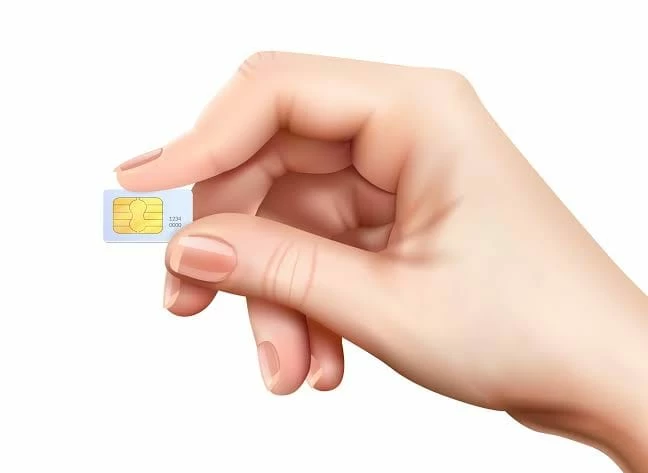
أعاد اكتشاف مواطنين مصريين خطوط هاتف محمول مسجلة بأسمائهم دون علمهم فتح ملف قديم يتعلق بآليات تسجيل شرائح الاتصال والتحقق من هوية المستخدمين، وسط تساؤلات متزايدة حول المسؤولية القانونية للشخص الذي تظهر بياناته على الخط إذا استُخدم لاحقاً في ارتكاب جريمة.
وتصاعد الجدل خلال الأيام الماضية بعد تداول شكاوى عبر وسائل الإعلام ومنصات التواصل الاجتماعي، قال أصحابها إنهم فوجئوا عند الاستعلام من خلال تطبيق My NTRA التابع للجهاز القومي لتنظيم الاتصالات بوجود أرقام مسجلة بأسمائهم، رغم تأكيدهم أنهم لا يعرفون هذه الخطوط ولم يسبق لهم التعاقد عليها.
وأثارت الحالات المتداولة مخاوف بشأن احتمالية استخدام بيانات المواطنين في استخراج شرائح اتصال دون علمهم، إلى جانب سؤال أكثر حساسية: هل يمكن أن يتحمل شخص مسؤولية جنائية عن أفعال ارتُكبت باستخدام خط مسجل باسمه، رغم عدم حيازته أو استخدامه فعلياً؟
قضية «خط التليفون»
بلغ الجدل ذروته مع إعادة تسليط الضوء على قضية الطالب عمرو عمارة من محافظة الشرقية، المعروفة إعلامياً باسم «خط التليفون المحمول أو شحنة البصل»، بعد تصديق محكمة مصرية على حكم بالسجن المؤبد بحقه.
وبحسب ما نقلته وسائل إعلام محلية عن شقيقته خلود، فإن شريحة هاتف مسجلة باسم شقيقها أسهمت في إدخاله طرفاً في القضية، بعدما كان قد استخرج الخط لصالح أحد معارفه، قبل أن يُستخدم لاحقاً في القضية دون علمه، وفق رواية الأسرة.
وتسببت الواقعة في إعادة طرح التساؤلات حول مدى كفاية بيانات تسجيل الخط وحدها لإثبات علاقة الشخص بالأفعال التي تتم من خلاله، خصوصاً عندما يؤكد صاحب البيانات أنه لم يكن يحوز الشريحة أو يستخدمها.
«تنظيم الاتصالات»: التسجيل وحده لا يعني المسؤولية
وفي مواجهة حالة القلق المتزايدة، أصدر الجهاز القومي لتنظيم الاتصالات بياناً أوضح فيه الإجراءات التي يمكن للمواطن اتباعها حال اكتشاف خط مسجل باسمه ولا يخصه.
وأكد الجهاز أنه يحق لأي مواطن يجد خطاً مسجلاً باسمه دون علمه التقدم بشكوى إليه، ليتولى فحصها والتحقق من سلامة إجراءات تسجيل الخط ومدى التزام شركة الاتصالات بالضوابط التنظيمية، واتخاذ الإجراءات اللازمة حال ثبوت وجود مخالفة.
وأشار إلى أن المواطن يظل من حقه أيضاً إبلاغ جهات التحقيق المختصة إذا رأى أن الواقعة تستوجب ذلك.
وشدد الجهاز على أن مجرد تسجيل خط هاتف محمول باسم شخص لا يرتب بذاته مسؤوليته عن الأفعال التي تتم باستخدامه، متى ثبت أن الخط لا يخصه أو لم يكن في حيازته أو تحت سيطرته الفعلية.
وأوضح أن المسؤولية القانونية شخصية، ولا يجوز إسناد الأفعال إلى شخص لم يرتكبها، بينما يتم تحديد المسؤول الحقيقي في ضوء الوقائع والأدلة ونتائج التحقيقات، مع التأكيد على اختصاص جهات التحقيق والقضاء بتقدير الأدلة وتحديد المسؤولية وفقاً للقانون.
مراجعة إجراءات التسجيل والتحقق من الهوية
وأكد الجهاز القومي لتنظيم الاتصالات أنه يواصل مراجعة وتطوير الضوابط المنظمة لتسجيل وتفعيل خطوط الهاتف المحمول، إلى جانب تشديد أعمال المراجعة والتفتيش على شركات الاتصالات واتخاذ الإجراءات والجزاءات المقررة بحق أي جهة تثبت مخالفتها للقواعد.
كما يعمل الجهاز على تعزيز وسائل التحقق من هوية المستخدمين، ومن بينها منظومة التحقق البيومتري، بهدف رفع مستوى دقة البيانات وتعزيز أمن وسلامة خدمات الاتصالات.
ودعا الجهاز المواطنين إلى الاستعلام بصورة دورية عن الأرقام المسجلة بأسمائهم عبر تطبيق My NTRA، والإبلاغ فوراً عن أي خط غير معلوم لهم.
البرلمان: الهوية الرقمية هي الحل الجذري
من جانبها، قالت وكيل لجنة الاتصالات وتكنولوجيا المعلومات بمجلس النواب المصري النائبة مها عبد الناصر، إن ملف خطوط المحمول المسجلة بأسماء المواطنين سبق أن نوقش خلال دور الانعقاد الماضي.
وأوضحت أن الجهاز اتخذ إجراءات في هذا الملف منذ عام 2017، لكنها لم تُنفذ بنسبة 100%، وهو ما دفع إلى إطلاق تطبيق My NTRA لمساعدة المواطنين على معرفة الخطوط المسجلة بأسمائهم.
وترى عبد الناصر أن الحل الجذري للمشكلة يتمثل في إطلاق منظومة الهوية الرقمية (eKYC)، التي كان مقرراً تفعيلها خلال شهر على مستوى جميع شركات الاتصالات في مصر.
وتعتمد المنظومة على تصوير المستخدم عبر الكاميرا ومطابقة صورته مع بيانات بطاقة الرقم القومي والخط، بما يمنع تفعيل أي خط مستقبلاً دون التحقق الكامل من هوية صاحبه.
كيف يلغي المواطن خطاً لا يعرفه؟
وبينما لم تدخل منظومة الهوية الرقمية حيز التنفيذ بصورة كاملة، أوضحت النائبة مها عبد الناصر أن هناك إجراءً يمكن للمواطن اتخاذه حالياً إذا اكتشف وجود خط مسجل باسمه دون علمه.
ويتمثل الإجراء في التوجه إلى فرع شركة الاتصالات المسجل لديها الخط، وتقديم «إقرار إنكار حيازة»، يتولى موظف الشركة إثبات عدم علاقة المواطن بالخط، مع حصوله على نسخة من المستند بعد اعتماده من مدير الفرع.
وبحسب ما أوضحته عبد الناصر، يفترض أن يتم إيقاف الخط خلال 24 ساعة من استكمال هذا الإجراء.
وشددت على ضرورة التفرقة بين ملكية الخط من الناحية التسجيلية وبين حيازته واستخدامه فعلياً، مؤكدة أن المسؤولية الجنائية لا تُحدد بمجرد ظهور اسم الشخص على بيانات الخط، وإنما بناءً على وقائع الاستخدام الفعلي، بما في ذلك مكان استخدام الخط والرسائل والنشاط المرتبط به.
واقعة الفنانة إيناس عز الدين
ولم تتوقف الحالات المتداولة عند المواطنين العاديين، إذ اكتسبت القضية بعداً إعلامياً واسعاً عقب تقدم الفنانة المصرية إيناس عز الدين ببلاغ رسمي ضد إحدى شركات الاتصالات.
وقالت الفنانة إنها اكتشفت وجود خطوط مسجلة باستخدام رقمها القومي لصالح إحدى الجمعيات الخيرية، دون علمها أو توقيعها على أي عقد.
كما اكتشف زوجها، بحسب ما أعلنته، تسجيل 5 خطوط باسمه، رغم أنه لا يمتلك سوى خط واحد منها.
وأعلنت عز الدين عبر صفحتها على «فيسبوك» عزمها الطعن على التوقيعات المنسوبة إليها، واتهام الشركة باستغلال بيانات هويتها الشخصية، في واقعة أضافت بعداً جماهيرياً إلى أزمة تسجيل شرائح المحمول.
هل تعود المشكلة إلى ما قبل 2015؟
ويرى خبراء أن جزءاً من المشكلة قد يعود إلى ممارسات قديمة في سوق الاتصالات المصرية.
وقال وليد حجاج، خبير أمن المعلومات، إن نسبة كبيرة من الخطوط المسجلة حالياً قد تعود إلى فترة ما قبل عام 2015، عندما كان بعض وكلاء شركات الاتصالات يبيعون شرائح مفعلة باستخدام بطاقات أرقام قومية دون علم أصحابها، وفقاً لتقييمه.
وأضاف أن شركات الاتصالات أوقفت هذه الممارسة عبر الوكلاء بعد عام 2015، لكن ما وصفه بـ«الإرث» القديم من الخطوط لا يزال قائماً، وهو ما قد يفسر اكتشاف بعض المواطنين وجود أرقام مسجلة بأسمائهم بعد سنوات من تسجيلها.
من جانبه، رأى خبير تكنولوجيا المعلومات محمد عزام أن المشكلة تتجاوز إجراءات بيع الشرائح إلى ظاهرة أوسع تتعلق بما وصفه بـ«فوضى تداول بيانات المواطنين».
وأشار إلى أن مواطنين يسلمون بصورة يومية صور بطاقات الرقم القومي عبر تطبيقات المراسلة لإنجاز معاملات روتينية، وهو ما قد يفتح المجال أمام تسرب البيانات الشخصية وإساءة استخدامها.
لجنة الاتصالات تتحرك
وفي تحرك برلماني موازٍ، أكد رئيس لجنة الاتصالات بمجلس النواب النائب أحمد بدوي، أن اللجنة تلقت شكاوى مباشرة من مواطنين بشأن ظهور خطوط مسجلة باستخدام أرقامهم القومية دون أن يكونوا قد اشتروها أو تعاقدوا عليها.
وأوضح أنه لا توجد خطوط هاتف محمول تعمل بصورة قانونية «دون تسجيل»، مؤكداً أن جوهر المشكلة يتمثل في عدم تطابق بيانات الشخص المسجل باسمه الخط مع المستخدم الفعلي له.
وتفتح الأزمة الحالية ملفاً أوسع يتعلق بحماية البيانات الشخصية وآليات التحقق من هوية مستخدمي خدمات الاتصالات في مصر، في ظل الاعتماد المتزايد على الهواتف المحمولة في المعاملات اليومية والاتصالات الرقمية.
وبين تحركات الجهاز القومي لتنظيم الاتصالات، والإجراءات البرلمانية، والاستعداد لتطبيق منظومة الهوية الرقمية، يبقى الإجراء الأهم المتاح للمواطن حالياً هو مراجعة الأرقام المسجلة باسمه عبر تطبيق My NTRA، والإبلاغ فوراً عن أي خط لا يعرفه، منعاً لاستمرار استخدامه بصورة قد تضع بياناته الشخصية في دائرة الشبهات أو النزاعات القانونية.
وفي جميع الأحوال، يؤكد الجهاز القومي لتنظيم الاتصالات أن ظهور اسم المواطن على بيانات خط لا يخصه لا يعني تلقائياً مسؤوليته عن أي نشاط يتم من خلاله، إذ تظل المسؤولية القانونية مرتبطة بالأدلة ووقائع الاستخدام الفعلي، وتخضع في النهاية لتقدير جهات التحقيق والقضاء.
The discovery by Egyptian citizens of mobile phone lines registered in their names without their knowledge has reopened an old file concerning the mechanisms of SIM card registration and user identity verification, amid growing questions about the legal responsibility of the person whose data appears on the line if it is later used to commit a crime.
The debate has intensified in recent days following complaints circulated through media and social media platforms, where the complainants expressed their surprise upon inquiring via the My NTRA application, affiliated with the National Telecommunications Regulatory Authority, about the existence of numbers registered in their names, despite their insistence that they do not recognize these lines and have never contracted for them.
The circulated cases have raised concerns about the possibility of citizens' data being used to obtain SIM cards without their knowledge, alongside a more sensitive question: Can a person bear criminal responsibility for actions committed using a line registered in their name, despite not actually possessing or using it?
The "Phone Line" Case
The debate reached its peak with renewed focus on the case of student Amr Amara from Sharqia Governorate, known in the media as the "mobile phone line or onion shipment" case, after an Egyptian court upheld a life sentence against him.
According to local media reports from his sister Khuloud, a phone line registered in her brother's name contributed to his involvement in the case, after he had obtained the line for the benefit of an acquaintance, only for it to be later used in the case without his knowledge, according to the family's account.
This incident has raised questions about the sufficiency of registration data alone to prove a person's connection to actions carried out through it, especially when the data owner asserts that they did not possess or use the SIM card.
"Telecommunications Regulation": Registration Alone Does Not Imply Responsibility
In response to the growing anxiety, the National Telecommunications Regulatory Authority issued a statement clarifying the procedures that citizens can follow if they discover a line registered in their name that does not belong to them.
The authority confirmed that any citizen who finds a line registered in their name without their knowledge has the right to file a complaint with it, which will then examine and verify the validity of the line's registration procedures and the extent of the telecommunications company's compliance with regulatory controls, taking necessary actions if a violation is proven.
It also indicated that the citizen retains the right to inform the relevant investigative authorities if they believe the incident warrants such action.
The authority emphasized that merely having a mobile phone line registered in a person's name does not, in itself, establish their responsibility for actions carried out using it, provided it is proven that the line does not belong to them or that they did not have it in their possession or under their actual control.
It clarified that legal responsibility is personal and cannot be attributed to someone who did not commit the actions, while the real responsibility is determined based on the facts, evidence, and investigation results, with the investigative and judicial authorities having the jurisdiction to assess the evidence and determine responsibility according to the law.
Reviewing Registration Procedures and Identity Verification
The National Telecommunications Regulatory Authority confirmed that it continues to review and develop the regulations governing the registration and activation of mobile phone lines, alongside tightening inspection and auditing of telecommunications companies and taking the prescribed actions and penalties against any entity proven to violate the rules.
The authority is also working to enhance means of verifying user identities, including a biometric verification system, aimed at improving data accuracy and enhancing the security and safety of telecommunications services.
The authority urged citizens to periodically inquire about the numbers registered in their names via the My NTRA application and to report immediately any unknown lines.
Parliament: Digital Identity is the Root Solution
For her part, the deputy head of the Communications and Information Technology Committee in the Egyptian House of Representatives, Maha Abdel Nasser, stated that the issue of mobile lines registered in citizens' names was previously discussed during the last parliamentary session.
She explained that the authority had taken measures regarding this issue since 2017, but they were not implemented at 100%, which led to the launch of the My NTRA application to assist citizens in identifying the lines registered in their names.
Abdel Nasser believes that the root solution to the problem lies in launching the digital identity system (eKYC), which was scheduled to be activated within a month across all telecommunications companies in Egypt.
The system relies on capturing the user’s image via the camera and matching it with the data on the national ID card and the line, preventing any line from being activated in the future without complete verification of the owner's identity.
How Can a Citizen Cancel an Unknown Line?
While the digital identity system has not yet been fully implemented, Deputy Maha Abdel Nasser clarified that there is a procedure citizens can currently take if they discover a line registered in their name without their knowledge.
This procedure involves going to the branch of the telecommunications company where the line is registered and submitting a "Denial of Possession Declaration," which a company employee will use to prove that the citizen has no connection to the line, with the citizen receiving a copy of the document after it is approved by the branch manager.
According to Abdel Nasser, the line is supposed to be suspended within 24 hours of completing this procedure.
She stressed the importance of distinguishing between the ownership of the line from a registration perspective and its actual possession and use, asserting that criminal responsibility is not determined merely by a person's name appearing on the line's data, but rather based on actual usage facts, including the location of use, messages, and related activities.
The Case of Artist Enas Ezz El-Din
The cases discussed are not limited to ordinary citizens, as the issue gained significant media attention following Egyptian artist Enas Ezz El-Din filing an official complaint against one of the telecommunications companies.
The artist stated that she discovered lines registered using her national ID number for the benefit of a charity, without her knowledge or signature on any contract.
Her husband also discovered, as she announced, that five lines were registered in his name, despite him only owning one of them.
Ezz El-Din announced via her Facebook page her intention to contest the signatures attributed to her and accused the company of exploiting her personal identity data, an incident that added a public dimension to the mobile SIM registration crisis.
Does the Problem Date Back to Before 2015?
Experts believe that part of the problem may stem from old practices in the Egyptian telecommunications market.
Walid Haggag, an information security expert, stated that a large percentage of the currently registered lines may date back to before 2015, when some agents of telecommunications companies sold activated SIM cards using national ID cards without the knowledge of their owners, according to his assessment.
He added that telecommunications companies stopped this practice through agents after 2015, but what he described as the "legacy" of old lines still exists, which may explain why some citizens discover numbers registered in their names years after their registration.
For his part, IT expert Mohamed Azzam believes that the problem extends beyond SIM card sales procedures to a broader phenomenon related to what he termed "the chaos of citizen data trading."
He pointed out that citizens daily submit photos of their national ID cards via messaging applications to complete routine transactions, which may open the door to personal data leakage and misuse.
The Communications Committee Takes Action
In a parallel parliamentary move, the head of the Communications Committee in the House of Representatives, Ahmed Badawy, confirmed that the committee has received direct complaints from citizens regarding the appearance of lines registered using their national ID numbers without them having purchased or contracted for them.
He clarified that there are no mobile phone lines operating legally "without registration," emphasizing that the essence of the problem lies in the mismatch between the data of the person registered in the name of the line and the actual user of it.
The current crisis opens a broader file concerning the protection of personal data and the mechanisms for verifying the identity of telecommunications service users in Egypt, amid the increasing reliance on mobile phones for daily transactions and digital communications.
Amid the actions of the National Telecommunications Regulatory Authority, parliamentary procedures, and preparations to implement the digital identity system, the most important procedure currently available to citizens remains reviewing the numbers registered in their names via the My NTRA application and immediately reporting any unknown line, to prevent its continued use in a manner that may place their personal data in a circle of suspicion or legal disputes.
In all cases, the National Telecommunications Regulatory Authority emphasizes that the appearance of a citizen's name on the data of a line that does not belong to them does not automatically imply their responsibility for any activity conducted through it, as legal responsibility remains tied to evidence and actual usage facts, ultimately subject to the assessment of investigative and judicial authorities.