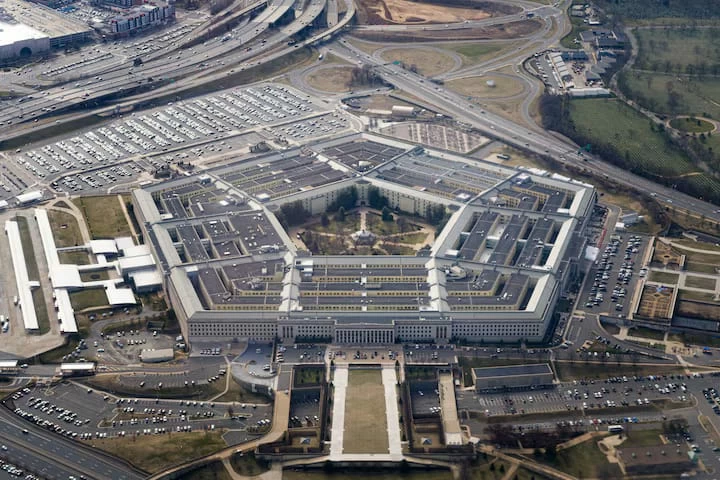
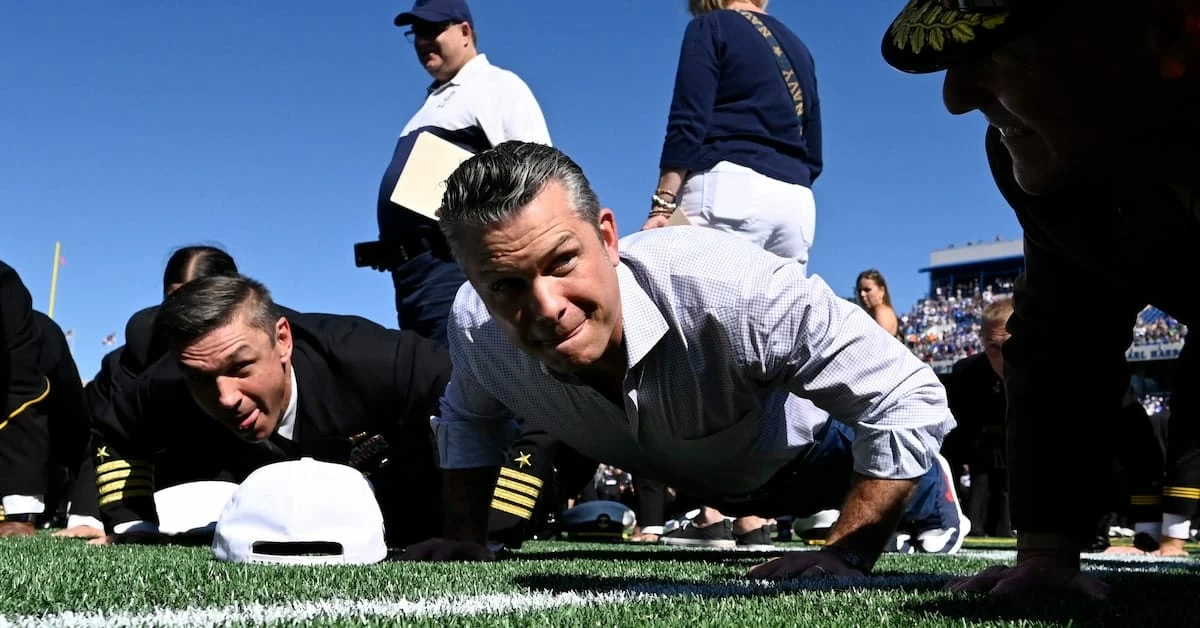
أثار قرار جديد لوزير الدفاع الأمريكي، بيت هيغسيث، بإلزام أفراد الجيش الأمريكي من القوات العاملة والاحتياط الذين تبلغ أعمارهم 30 عاماً فأكثر بإجراء فحص سنوي لمستويات هرمون التستوستيرون، موجة واسعة من الجدل في الأوساط الطبية، وسط تحذيرات من أن الخطوة قد تؤدي إلى علاجات غير ضرورية ومضاعفات صحية بدلاً من تعزيز الجاهزية القتالية.
وقال هيغسيث إن الفحوص تهدف إلى التأكد من امتلاك الجنود مستويات مناسبة من هرمون التستوستيرون، بما يسهم في تحسين الأداء البدني والذهني، وزيادة القدرة على التحمل، وإطالة العمر المهني للعسكريين، مؤكداً أن أي علاج سيظل اختيارياً وسيتم بعد تقديم المشورة الطبية اللازمة.
خبراء يشككون في جدوى القرار
لكن خمسة من أصل ستة خبراء في صحة الرجال -بحسب وكالة «رويترز»- أعربوا عن استغرابهم من القرار، معتبرين أنه لا يستند إلى أدلة علمية كافية تبرر إجراء فحوص شاملة لجميع العسكريين الذين تجاوزوا سن الثلاثين.
وأشار أربعة من هؤلاء الأطباء إلى عدم وجود دراسات قوية تثبت أن تعميم الفحص على جميع أفراد الجيش سيؤدي إلى تحسين الجاهزية القتالية للقوات المسلحة الأمريكية.
وقال اختصاصي جراحة المسالك البولية وعضو المجلس الاستشاري الطبي لمنصة Rugiet للرعاية الصحية عن بعد الدكتور كيفين ماكفاري، إن بعض المرضى يشعرون بتحسن في التركيز والقدرة على التحمل بعد علاج نقص التستوستيرون، إلا أن هذه النتائج تقتصر على الأشخاص الذين كانوا يعانون أعراضاً واضحة، وليس على الأصحاء.
متى يُنصح بإجراء الفحص؟
وتوصي الجمعية الأمريكية لجراحة المسالك البولية والجمعية الأمريكية لأمراض الغدد الصماء بإجراء فحص التستوستيرون فقط للأشخاص الذين يعانون أعراضاً تشير إلى نقص الهرمون، مثل؛ انخفاض الرغبة الجنسية، ضعف الانتصاب، الإرهاق المزمن، انخفاض الكتلة العضلية، ضعف كثافة العظام.
ويؤكد الأطباء أن إعطاء العلاج الهرموني دون وجود أعراض واضحة قد يؤدي إلى الإفراط في العلاج وما يترتب عليه من آثار جانبية.
انخفاض طبيعي مع التقدم في العمر
وأوضح المدير الطبي لشبكة Gameday Health الدكتور حليم محمد، أن مستويات التستوستيرون تبدأ في الانخفاض تدريجياً مع التقدم في العمر، بمعدل يقارب 1% سنوياً بعد سن 30 إلى 40 عاماً، إلا أن هذا الانخفاض يختلف من شخص لآخر، ولا يعني أن بلوغ سن الثلاثين وحده يعد مبرراً لإجراء الفحص.
من جانبه، رأى اختصاصي الغدد الصماء في مركز دارتموث هيتشكوك الطبي الدكتور أوغيس غرونتمانيس، أن القرار قد يوفر فرصة لجمع بيانات علمية عن الرجال الأصغر سناً، لكنه شدد على أن تطبيق الفحص على نطاق واسع قبل إجراء دراسات كافية يعد خطوة متسرعة.
آثار جانبية قد تهدد الخصوبة
ورغم أن إدارة الغذاء والدواء الأمريكية أزالت أخيراً التحذير السابق بشأن زيادة خطر الإصابة بالنوبات القلبية والسكتات الدماغية مع العلاج بالتستوستيرون، استناداً إلى دراسة شملت أكثر من 5200 رجل تراوح أعمارهم بين 45 و80 عاماً، فإن الدراسة نفسها كشفت ارتفاع معدلات اضطرابات نظم القلب وكسور العظام لدى بعض المشاركين.
وأكد الخبراء -بحسب «رويترز»- أن العلاج بالتستوستيرون قد يؤثر بصورة كبيرة في خصوبة الرجال، خصوصاً الشباب.
وقال الدكتور ماكفاري إن كثيراً من أفراد القوات المسلحة لا يزالون في مرحلة تكوين أسرهم، محذراً من أن العلاج الهرموني قد يؤدي إلى انخفاض القدرة الإنجابية، مع عدم وجود ضمان لاستعادة الوظائف الطبيعية لاحقاً.
وأضاف أن العلاج قد يرتبط أيضاً بعدد من المضاعفات الأخرى، من بينها؛ زيادة لزوجة الدم، مشكلات البروستاتا، حب الشباب، تساقط الشعر، تضخم أنسجة الثدي لدى الرجال، تقلبات المزاج.
متلازمة تصيب القوات الخاصة
وأوضح وزير الدفاع الأمريكي أن أحد أهداف البرنامج الجديد يتمثل في التعامل مع ما يُعرف بـ«متلازمة المقاتل» (Operator Syndrome)، وهي حالة تصيب أفراد القوات الخاصة، مثل قوات «دلتا» و«سيلز» البحرية، وتتضمن انخفاض التستوستيرون، وإصابات الدماغ الرضحية، واضطرابات هرمونية وأيضية، ومشكلات في النوم.
لكن الباحث بجامعة هاواي الدكتور كريستوفر فرويه، أوضح أن هذه الفئة تتعرض لظروف قتالية استثنائية، مثل الانفجارات المتكررة والقفز المظلي واستخدام الأسلحة الثقيلة، وبالتالي لا يمكن اعتبارها نموذجاً يمثل جميع أفراد الجيش.
وأشار إلى أن تحسين النوم، والراحة، والتغذية الصحية قد يكون كافياً لدى كثير من الجنود الأصغر سناً لإعادة مستويات التستوستيرون إلى المعدلات الطبيعية دون الحاجة إلى العلاج الهرموني.
هل توجد فوائد للفحص؟
ورغم الانتقادات، يرى بعض الخبراء أن الفحص قد يكون مفيداً إذا أُجري وفق معايير طبية دقيقة وتحت إشراف متخصصين.
وأوضح الدكتور حليم محمد أن بعض أفراد قوات الاحتياط قد يعانون السمنة، وهي من الأسباب القابلة للعلاج التي قد تؤدي إلى انخفاض التستوستيرون، مؤكداً أن الفحص قد يساعد في اكتشاف الحالات التي يمكن علاجها بتعديل نمط الحياة، إلى جانب تشخيص من يعانون نقصاً حقيقياً يحتاج إلى علاج.
وفي المقابل، لم توضح وزارة الدفاع الأمريكية حتى الآن كيفية التعامل مع نتائج الفحوص غير الطبيعية، أو ما إذا كانت السياسة الجديدة ستطبق بالطريقة نفسها على الرجال والنساء.
كما أشار خبراء إلى أن الفحوص قد توفر معلومات مهمة عن صحة الهرمونات لدى المجندات، حتى وإن لم يحتجن إلى العلاج بالتستوستيرون، إذ قد يكشف الفحص عن اضطرابات هرمونية أخرى تستدعي تدخلاً طبياً مناسباً.
A new decision by U.S. Defense Secretary Pete Hegseth to require active-duty and reserve military personnel aged 30 and older to undergo annual testosterone level testing has sparked widespread debate in medical circles, amid warnings that the move could lead to unnecessary treatments and health complications instead of enhancing combat readiness.
Hegseth stated that the tests aim to ensure that soldiers have appropriate levels of testosterone, which contributes to improved physical and mental performance, increased endurance, and extended career longevity for military personnel, emphasizing that any treatment will remain optional and will be provided after necessary medical consultation.
Experts Question the Decision's Validity
However, five out of six men's health experts - according to Reuters - expressed their astonishment at the decision, considering that it lacks sufficient scientific evidence to justify comprehensive testing for all military personnel over the age of thirty.
Four of these doctors pointed out the absence of strong studies proving that universal testing for all military members would lead to improved combat readiness for the U.S. armed forces.
Urologist and member of the medical advisory board for the Rugiet telehealth platform, Dr. Kevin McFarry, stated that some patients experience improved focus and endurance after testosterone deficiency treatment, but these results are limited to individuals who exhibited clear symptoms, not healthy individuals.
When is Testing Recommended?
The American Urological Association and the American Association of Clinical Endocrinologists recommend testosterone testing only for individuals who exhibit symptoms indicating hormone deficiency, such as; decreased libido, erectile dysfunction, chronic fatigue, reduced muscle mass, and low bone density.
Doctors emphasize that administering hormone therapy without clear symptoms may lead to overtreatment and its associated side effects.
Natural Decline with Aging
Dr. Halim Mohammed, the medical director of Gameday Health, explained that testosterone levels begin to gradually decline with age, at a rate of approximately 1% annually after the age of 30 to 40, but this decline varies from person to person and does not mean that reaching the age of thirty alone justifies testing.
For his part, endocrinologist Dr. Augis Gronmanis from Dartmouth-Hitchcock Medical Center noted that the decision could provide an opportunity to gather scientific data about younger men, but he stressed that implementing widespread testing before conducting adequate studies is a hasty step.
Side Effects That May Threaten Fertility
Although the U.S. Food and Drug Administration recently removed the previous warning about an increased risk of heart attacks and strokes with testosterone therapy, based on a study involving more than 5,200 men aged 45 to 80, the same study revealed elevated rates of cardiac arrhythmias and bone fractures among some participants.
Experts - according to Reuters - confirmed that testosterone therapy could significantly affect men's fertility, especially younger men.
Dr. McFarry stated that many military personnel are still in the process of starting families, warning that hormone therapy could lead to decreased reproductive capability, with no guarantee of restoring normal functions later.
He added that the treatment may also be associated with several other complications, including increased blood viscosity, prostate issues, acne, hair loss, breast tissue enlargement in men, and mood swings.
Syndrome Affecting Special Forces
The U.S. Defense Secretary explained that one of the goals of the new program is to address what is known as "Operator Syndrome," a condition affecting special forces members, such as Delta and Navy SEALs, which includes low testosterone, traumatic brain injuries, hormonal and metabolic disorders, and sleep problems.
However, researcher Dr. Christopher Fruet from the University of Hawaii clarified that this group is exposed to exceptional combat conditions, such as repeated explosions, parachuting, and the use of heavy weapons, and therefore cannot be considered a model representing all military personnel.
He pointed out that improving sleep, rest, and healthy nutrition may be sufficient for many younger soldiers to restore testosterone levels to normal without the need for hormone therapy.
Are There Benefits to Testing?
Despite the criticisms, some experts believe that testing could be beneficial if conducted according to precise medical standards and under the supervision of specialists.
Dr. Halim Mohammed explained that some reserve personnel may suffer from obesity, which is a treatable cause that could lead to decreased testosterone, emphasizing that testing could help identify cases that can be treated by lifestyle modifications, alongside diagnosing those who have a genuine deficiency needing treatment.
Conversely, the U.S. Department of Defense has not yet clarified how it will handle abnormal test results, or whether the new policy will be applied in the same manner to men and women.
Experts also noted that testing could provide important information about hormone health in female recruits, even if they do not require testosterone therapy, as the tests may reveal other hormonal disorders that necessitate appropriate medical intervention.