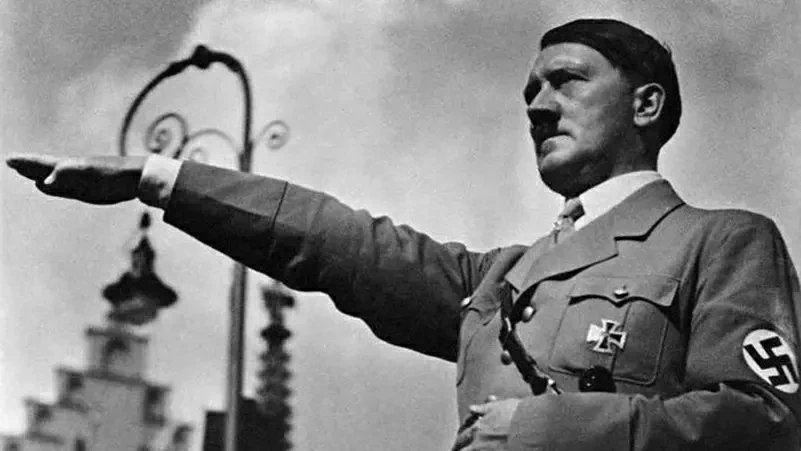
في مثل هذا اليوم من عام 1925، قبل 101 عام بالضبط، استيقظت المكتبات الألمانية على صدور كتاب سيغير مجرى التاريخ الحديث، ليتحول إلى إحدى أكثر الأدوات الدعائية رعباً وإثارةً للجدل في القرن العشرين. إنه كتاب «كفاحي» للزعيم النازي أدولف هتلر.
الكتاب الذي تجاوزت مبيعاته لاحقاً حاجز 12 مليون نسخة، لم يبدأ عملاً أدبياً عادياً، بل وُلد خلف قضبان السجن، وباسمٍ أصلي غريب وصادم رفضه الناشر على الفور.
من زنزانة السجن بدأت الحكاية
وُلدت فكرة الكتاب من رحم الفشل السياسي، ففي نوفمبر 1923، قاد هتلر محاولة انقلابية فاشلة عُرفت باسم «انقلاب بافاريا»، مستغلاً الأوضاع الاقتصادية الطاحنة والتضخم الهائل الذي عاشته ألمانيا بعد الحرب العالمية الأولى، وقسوة معاهدة فرساي.
فشلت المحاولة، وأُلقي القبض على هتلر، لكن المحاكمة العلنية منحته شهرة واسعة. وحُكم عليه بالسجن خمس سنوات في سجن «لندسبرغ»، وهناك، خلال فترة سجنه عام 1924، بدأ يملي أفكاره وسيرته الذاتية على مساعده المقرب رودولف هيس، الذي تولى كتابة المخطوطة وصياغة الأيديولوجية النازية.
وعندما انتهى هتلر من صياغة مخطوطته، اختار لها عنواناً طويلاً وغريباً، ينضح بالهجوم، هو: «أربع سنوات من الكفاح ضد الأكاذيب والحماقة والجبن».
صدم العنوان الناشر، الذي وجده طويلاً جداً ومعقداً، وقد ينفر القراء. وبعد نقاشات مع هتلر، أُقنع باختصار العنوان إلى الاسم الذي هز العالم لاحقاً: «كفاحي».
قفزة المبيعات
في السنوات الأولى، لم يحظَ الكتاب باهتمام يُذكر، واقتصر اقتناؤه على المتطرفين من مؤيدي الحزب النازي. لكن التحول الكبير جاء عام 1933، عندما وصل هتلر إلى منصب مستشار ألمانيا، ليتحول الكتاب إلى ما يشبه الفرض القومي.
- هدايا الزفاف: أصبحت السلطات الألمانية تمنح نسخة من «كفاحي» مجاناً لكل زوجين جديدين، وأصبح يُسلَّم إليهما بصورة إلزامية.
- المدارس والمصانع: شجع معلمو منظمة «شباب هتلر» الأطفال على قراءة الكتاب، كما وُزع مجاناً على موظفي الدولة وأصحاب المصانع بوصفه رمزاً للولاء للنظام.
ولم يتوقف انتشار الكتاب عند حدود ألمانيا، بل تُرجم إلى الإنجليزية عام 1933، وحرص هتلر على إهداء نسخ فاخرة منه إلى حلفائه، مثل الزعيم الإيطالي بينيتو موسوليني، والجنرال الإسباني فرانسيسكو فرانكو.
وبعد انتحار هتلر عام 1945، وانتهاء الحرب العالمية الثانية، انتقلت حقوق نشر الكتاب إلى ولاية بافاريا الألمانية، التي حظرت طباعته طوال 70 عاماً. ومع نهاية عام 2015، انتهت الحماية القانونية لحقوق النشر، ليدخل الكتاب ضمن الملكية العامة، معيداً فتح السجالات والنقاشات التاريخية والفكرية حول كيف يمكن لكتاب كُتب داخل زنزانة أن يحرك جيوشاً ويسهم في تدمير قارة بأكملها.
On this day in 1925, exactly 101 years ago, German libraries awoke to the publication of a book that would change the course of modern history, transforming into one of the most terrifying and controversial propaganda tools of the twentieth century. It is "Mein Kampf" by the Nazi leader Adolf Hitler.
The book, which later surpassed sales of 12 million copies, did not begin as an ordinary literary work; it was born behind prison bars, with an original title that was strange and shocking, which the publisher immediately rejected.
The story began from a prison cell
The idea for the book was born from the womb of political failure. In November 1923, Hitler led a failed coup known as the "Beer Hall Putsch," exploiting the crushing economic conditions and massive inflation that Germany experienced after World War I, along with the harshness of the Treaty of Versailles.
The attempt failed, and Hitler was arrested, but the public trial granted him widespread fame. He was sentenced to five years in Landsberg Prison, where, during his imprisonment in 1924, he began dictating his ideas and autobiography to his close aide Rudolf Hess, who took on the task of writing the manuscript and formulating Nazi ideology.
When Hitler finished drafting his manuscript, he chose a long and strange title that reeked of attack: "Four and a Half Years of Struggle Against Lies, Stupidity, and Cowardice."
The title shocked the publisher, who found it too long and complicated, potentially alienating readers. After discussions with Hitler, he was convinced to shorten the title to the name that would later shake the world: "Mein Kampf."
The sales leap
In the early years, the book did not receive much attention, and its ownership was limited to extremists among Nazi party supporters. However, a significant shift occurred in 1933 when Hitler became Chancellor of Germany, turning the book into something akin to a national mandate.
- Wedding gifts: The German authorities began giving a free copy of "Mein Kampf" to every newlywed couple, and it was delivered to them as a requirement.
- Schools and factories: Teachers from the "Hitler Youth" encouraged children to read the book, and it was distributed for free to state employees and factory owners as a symbol of loyalty to the regime.
The book's spread did not stop at Germany's borders; it was translated into English in 1933, and Hitler made sure to gift luxurious copies to his allies, such as Italian leader Benito Mussolini and Spanish General Francisco Franco.
After Hitler's suicide in 1945 and the end of World War II, the publishing rights of the book transferred to the German state of Bavaria, which banned its printing for 70 years. By the end of 2015, the legal protection of copyright expired, placing the book in the public domain, reopening historical and intellectual debates about how a book written inside a cell could mobilize armies and contribute to the destruction of an entire continent.