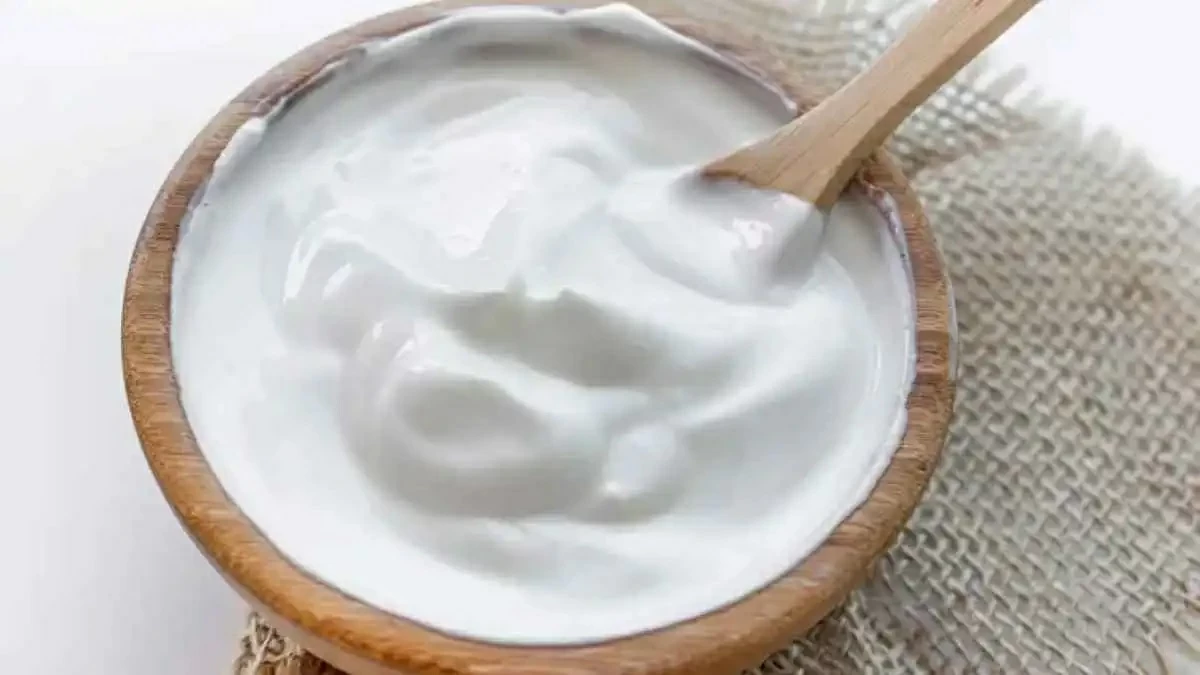
مع الارتفاع القياسي في درجات الحرارة واشتعال موجات القيظ التي تضرب العالم، يبدو أن الحلول التقليدية لم تعد تكفي، أو ربما أصبحت مكلفة للغاية. وفي هذا السياق، فجّر باحثون بريطانيون مفاجأة من العيار الثقيل باقتراح واحدة من أغرب الحيل المنزلية وأكثرها إثارة للجدل: استخدام «الزبادي» لطلاء النوافذ وخفض حرارة البيوت!
العنوان قد يبدو للوهلة الأولى مجرد «دعابة» أو وصفة شعبية طريفة، لكن خلفه تجارب علمية موثقة قاست كفاءة هذه الحيلة بالأرقام وحسمت الجدل حولها.
كيف يحول الزبادي نافذتك إلى درع حراري؟
في تقرير نشرته صحيفة «ديلي ميل» البريطانية، استند إلى تجارب حقيقية أجراها باحثون من جامعة «لوبورو» الشهيرة، تبين أن الفكرة تعتمد على فيزياء بسيطة للغاية:
- تكوين غشاء عاكس: عند وضع طبقة رقيقة من الزبادي على الزجاج الخارجي للنوافذ وتركها لتجف، تتشكل طبقة بيضاء جافة تعمل بمثابة غشاء عاكس ومشتت لأشعة الشمس المباشرة.
- الأرقام تتحدث: أظهرت التجارب أن هذه الحيلة الغريبة نجحت في خفض درجة الحرارة داخل المنزل بنحو 0.6 درجة مئوية في المتوسط، بينما قفزت كفاءتها في الأيام المشمسة شديدة الحرارة لتحدث فارقاً مذهلاً يصل إلى 3.5 درجة مئوية كاملة!
رغم أن فكرة الزبادي تعتمد على مبدأ علمي سليم وهو «تقليل اكتساب الحرارة الشمسية عبر الزجاج»، إلا أن الخبراء يشيرون إلى وجود وسائل أخرى أكثر أناقة وتؤدي نفس الغرض، مثل الستائر الخارجية العاكسة للأشعة، أو الأقمشة البيضاء.
وتشير تجارب موازية إلى أن مجرد تظليل النوافذ من الخارج بوسائل تقليدية يمكن أن يمنحك انخفاضاً في حرارة الغرف يصل إلى 6 درجات مئوية كاملة، وهو ما يفوق كفاءة غشاء الزبادي المبتكر.
على الرغم من غرابة الفكرة وحماس المؤيدين لها باعتبارها حلاً منخفض التكلفة ومتاحاً في كل ثلاجة، إلا أن خبراء التدبير المنزلي يرفعون بطاقة حمراء في وجه هذه الحيلة محذرين من سلبيات قد تتحول إلى كابوس:
- غزو الحشرات: رائحة الزبادي ومكوناته العضوية قد تجذب أسراباً من الذباب والنمل إلى نوافذك.
- صعوبة التنظيف: بعد جفاف الزبادي تماماً تحت أشعة الشمس الحارقة، سيتحول إلى طبقة صلبة قد تترك آثاراً يصعب تنظيفها وتشوّه مظهر الزجاج.
ويمكن القول إن دهان النوافذ بالزبادي يبقى حيلة طريفة ومؤقتة تظهر كيف يدفع القلق من التغير المناخي والحرارة الشديدة بالعلماء إلى البحث عن حلول خارج الصندوق: حتى وإن كانت داخل علبة زبادي!
With the record rise in temperatures and the scorching heatwaves hitting the world, it seems that traditional solutions are no longer sufficient, or perhaps have become too expensive. In this context, British researchers have surprised everyone by proposing one of the strangest and most controversial home hacks: using "yogurt" to paint windows and reduce the heat in homes!
The title may seem at first glance like just a "joke" or a quirky folk remedy, but behind it are documented scientific experiments that measured the effectiveness of this trick with numbers and settled the debate around it.
How does yogurt turn your window into a thermal shield?
In a report published by the British newspaper "Daily Mail," based on real experiments conducted by researchers from the renowned "Loughborough" University, it was found that the idea relies on very simple physics:
- Creating a reflective layer: When a thin layer of yogurt is applied to the outer glass of windows and left to dry, a dry white layer forms that acts as a reflective and diffusing membrane for direct sunlight.
- The numbers speak: Experiments showed that this strange trick succeeded in reducing the indoor temperature by about 0.6 degrees Celsius on average, while its efficiency jumped on extremely hot sunny days to create an astonishing difference of up to 3.5 full degrees Celsius!
Although the idea of yogurt is based on a sound scientific principle, which is "reducing solar heat gain through glass," experts point out that there are other more elegant means that serve the same purpose, such as reflective external shades or white fabrics.
Parallel experiments indicate that simply shading windows from the outside using traditional means can provide a reduction in room temperatures of up to 6 full degrees Celsius, which exceeds the efficiency of the innovative yogurt layer.
Despite the strangeness of the idea and the enthusiasm of its supporters, considering it a low-cost solution available in every refrigerator, home management experts raise a red card against this trick, warning of potential downsides that could turn into a nightmare:
- Insect invasion: The smell of yogurt and its organic components may attract swarms of flies and ants to your windows.
- Cleaning difficulty: After the yogurt completely dries under the scorching sun, it will turn into a hard layer that may leave marks that are difficult to clean and mar the appearance of the glass.
It can be said that painting windows with yogurt remains a quirky and temporary trick that shows how the anxiety over climate change and extreme heat drives scientists to seek out-of-the-box solutions: even if they are inside a yogurt container!