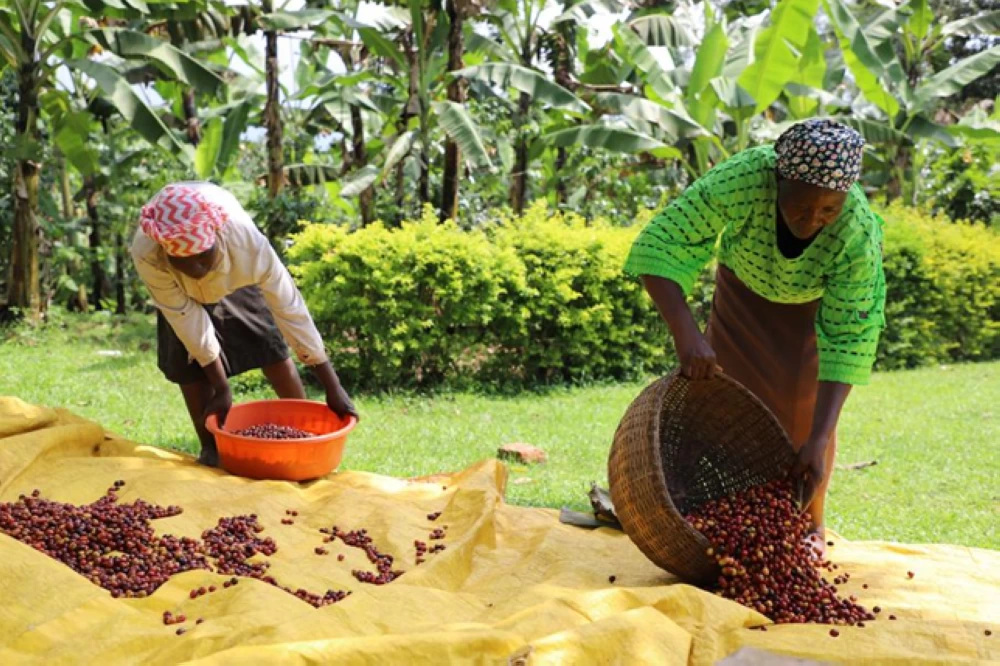
يحذر علماء من أن التغير المناخي يهدد مستقبل أشهر أنواع البن في العالم، في ظل ارتفاع درجات الحرارة وتراجع الأمطار وانتشار الجفاف، فيما يتسابق الباحثون لتطوير سلالات أكثر قدرة على تحمل الظروف المناخية القاسية.
تحديات تواجه إنتاج البن
يُستهلك نحو 2.3 مليار فنجان قهوة يومياً حول العالم، بينما يواجه نوعا البن «أرابيكا» و«روبوستا»، اللذان يمثلان تقريباً كامل الإنتاج العالمي، ضغوطاً متزايدة تهدد محصولاً يعتمد عليه ملايين المزارعين، وفقاً لتقرير نشرته دورية «Nature».
تمثل «أرابيكا» نحو 60% من الإنتاج العالمي، لكنها الأكثر تأثراً بارتفاع درجات الحرارة، فيما تشكل «روبوستا» نحو 40%. ورغم قدرتها الأكبر على تحمل الحرارة، فإنها تحتاج إلى كميات كبيرة من المياه، وتتراجع إنتاجيتها بشكل حاد خلال فترات الجفاف.
يُزرع البن في نحو 70 دولة ضمن ما يُعرف بـ«حزام القهوة» حول خط الاستواء، فيما تنتج البرازيل وفيتنام وكولومبيا وإثيوبيا وإندونيسيا نحو 75% من الإنتاج العالمي، ما يجعل أي اضطراب مناخي في هذه الدول مؤثراً مباشرة في الأسعار والإمدادات.
إثيوبيا والمحافظة على مستقبل البن
يرى الباحثون أن إثيوبيا، الموطن الأصلي لقهوة «أرابيكا»، تمثل أحد أهم مفاتيح الحفاظ على مستقبل البن، لما تمتلكه من تنوع وراثي واسع يمكن الاستفادة منه في تطوير سلالات مقاومة للحرارة والجفاف.
أنشأت الحكومة الإثيوبية مناطق لحماية الغابات التي تنمو فيها القهوة البرية، كما تحتفظ بأكثر من 12 ألف شجرة «أرابيكا» في بنوك وراثية، أملاً في استخدامها مستقبلاً لإنتاج أصناف أكثر قدرة على تحمل الظروف المناخية القاسية.
جهود العلماء للمستقبل
قاد عالم النبات البريطاني آرون ديفيس بعثات استكشافية في أفريقيا ومدغشقر بحثاً عن أنواع البن البرية، وأسهم مع فريقه في وصف نحو ثلث أنواع القهوة المعروفة علمياً. ويرى ديفيس أن مستقبل الصناعة قد يعتمد على هذه الأنواع النادرة، لما تمتلكه من صفات وراثية تساعد على تحمل تغير المناخ، مع الحفاظ على جودة المذاق.
كما يتجه العلماء إلى دراسة أنواع برية أخرى، من بينها «ليبيريكا» و«إكسلسا»، تتحمل درجات حرارة أعلى وتحتاج إلى كميات أقل من المياه. ويتمتع بعضها بنكهات تشبه المانجو والجاك فروت والشوكولاتة، فيما يصعب حتى على خبراء التذوق التمييز بين بعضها وبين «أرابيكا» التقليدية، ما يعزز فرص اعتمادها تجارياً.
تشير تقديرات علمية إلى احتمال انخفاض المساحات المناسبة لزراعة القهوة بنحو 50% بحلول 2050، إذا استمرت وتيرة التغير المناخي الحالية. ويرى العلماء أن إنقاذ المحصول يتطلب حماية الأنواع البرية، وتطوير سلالات جديدة، وتغيير أساليب الزراعة بما يتلاءم مع الظروف المناخية المتغيرة.
Scientists warn that climate change threatens the future of the world's most famous coffee varieties, amid rising temperatures, decreasing rainfall, and the spread of drought, while researchers race to develop strains more capable of withstanding harsh climatic conditions.
Challenges Facing Coffee Production
About 2.3 billion cups of coffee are consumed daily around the world, while the two coffee varieties, "Arabica" and "Robusta," which represent nearly the entire global production, are facing increasing pressures that threaten a crop relied upon by millions of farmers, according to a report published by the journal "Nature."
"Arabica" accounts for about 60% of global production, but it is the most affected by rising temperatures, while "Robusta" makes up about 40%. Despite its greater ability to withstand heat, it requires large amounts of water and its productivity sharply declines during drought periods.
Coffee is grown in about 70 countries within what is known as the "coffee belt" around the equator, with Brazil, Vietnam, Colombia, Ethiopia, and Indonesia producing about 75% of global output, making any climatic disruption in these countries directly impactful on prices and supplies.
Ethiopia and Preserving the Future of Coffee
Researchers believe that Ethiopia, the native home of "Arabica" coffee, represents one of the key factors in preserving the future of coffee, due to its wide genetic diversity that can be utilized to develop heat and drought-resistant strains.
The Ethiopian government has established areas to protect the forests where wild coffee grows, and it maintains over 12,000 "Arabica" trees in genetic banks, hoping to use them in the future to produce varieties more capable of withstanding harsh climatic conditions.
Scientists' Efforts for the Future
British botanist Aaron Davis has led exploratory missions in Africa and Madagascar in search of wild coffee species, contributing with his team to the description of about one-third of the scientifically known coffee species. Davis believes that the future of the industry may depend on these rare species, due to their genetic traits that help withstand climate change while maintaining flavor quality.
Scientists are also studying other wild species, including "Liberica" and "Excelsa," which can tolerate higher temperatures and require less water. Some of them have flavors reminiscent of mango, jackfruit, and chocolate, making it difficult even for tasting experts to distinguish between them and traditional "Arabica," enhancing their chances of commercial adoption.
Scientific estimates suggest that suitable areas for coffee cultivation may decline by about 50% by 2050 if the current pace of climate change continues. Scientists believe that saving the crop requires protecting wild species, developing new strains, and changing farming methods to adapt to changing climatic conditions.