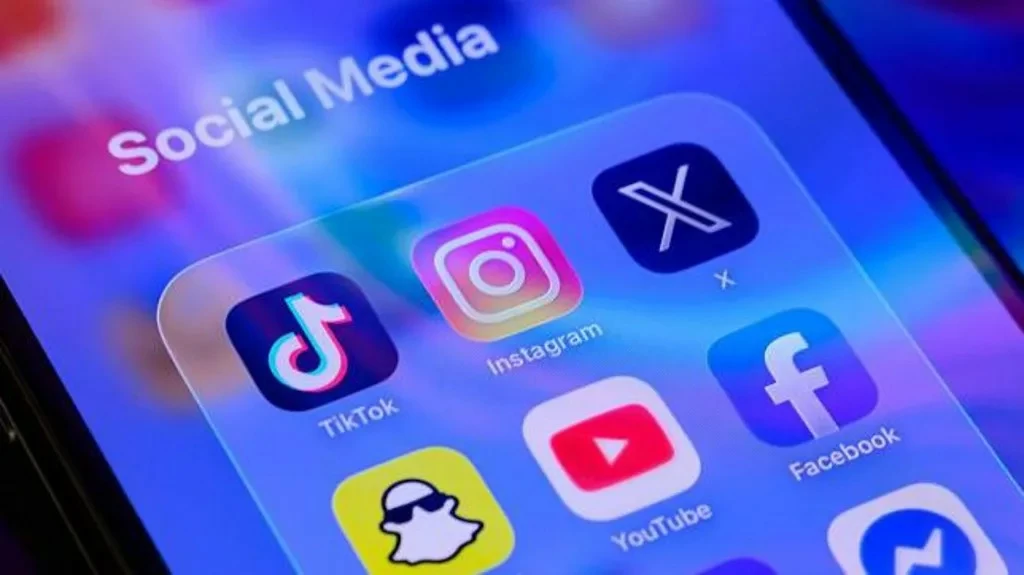
في خطوة تصعيدية جديدة ضد شركات التكنولوجيا الكبرى، أعلنت الحكومة الأسترالية مضاعفة الحد الأقصى للعقوبات المفروضة على مخالفي قانون الحد الأدنى لسن استخدام وسائل التواصل الاجتماعي، لترتفع إلى 99 مليون دولار أسترالي (نحو 51.7 مليون جنيه إسترليني)، ضمن جهودها لتعزيز حماية الأطفال من مخاطر العالم الرقمي.
وتأتي هذه التعديلات بعد أشهر من بدء تطبيق الحظر الذي يمنع الأطفال دون سن 16 عاماً من استخدام عدد من أبرز منصات التواصل الاجتماعي، وسط اعتراف رسمي بأن إجراءات التنفيذ الحالية لم تحقق النتائج المرجوة حتى الآن.
صلاحيات أوسع لمراقبة التزام الشركات
وبموجب التشريعات الجديدة، حصل مفوض السلامة الإلكترونية في أستراليا (eSafety Commissioner) على صلاحيات أوسع تتيح له إلزام شركات التواصل الاجتماعي بتقديم أدلة وإثباتات توضح الإجراءات التي اتخذتها للالتزام بالقانون ومنع وصول الأطفال إلى المنصات المحظورة.
وكانت أستراليا قد بدأت منذ 10 ديسمبر 2025 تطبيق الحظر على 10 منصات رئيسية للتواصل الاجتماعي، إلا أن السلطات أقرت بأن نسبة كبيرة من الأطفال لا تزال قادرة على الوصول إلى التطبيقات واستخدامها رغم القيود.
تحقيقات مع منصات كبرى
وفتحت الجهات المختصة تحقيقات بشأن الاشتباه بعدم التزام خمس منصات رئيسية بالإجراءات المطلوبة، وهي: فيسبوك، إنستغرام، سناب شات، تيك توك، ويوتيوب.
ورغم الضجة الكبيرة التي صاحبت إطلاق القانون نهاية العام الماضي، واجهت الحكومة الأسترالية تحديات واضحة في فرض التطبيق الفعلي على أرض الواقع.
وفي فبراير الماضي، كشفت زيارات وتقارير ميدانية أن عدداً كبيراً من الطلاب الذين كانوا يستخدمون وسائل التواصل قبل فرض الحظر ما زالوا يحتفظون بإمكانية الوصول إليها.
كما أظهر تقرير صادر عن هيئة السلامة الإلكترونية الأسترالية أن 7 من كل 10 أطفال دون 16 عاماً كانوا يمتلكون حسابات على منصات التواصل قبل تطبيق القانون لا يزال لديهم «قدر من الوصول» إلى هذه الخدمات.
شركات التكنولوجيا لا تبذل ما يكفي
واعترفت الحكومة الأسترالية في بيان رسمي بالتحديات التي تواجه تنفيذ القانون، مؤكدة أن تشديد العقوبات يمثل رسالة واضحة بأنها ستتخذ موقفاً أكثر صرامة تجاه المنصات التي لا تقوم بما يكفي للالتزام بالقواعد.
وقال رئيس الوزراء الأسترالي أنتوني ألبانيزي، إن الحكومة تشهد تغيراً عالمياً في النقاش حول الحد الأدنى لعمر استخدام وسائل التواصل، لكن شركات التكنولوجيا الكبرى – بحسب وصفه – لا تزال بعيدة عن مستوى الالتزام المطلوب.
وأضاف: «ما زال هناك عدد كبير جداً من الأطفال يستخدمون وسائل التواصل الاجتماعي».
من جانبها، أكدت وزيرة الاتصالات الأسترالية أنيكا ويلز، أنها غير مقتنعة بأن شركات التكنولوجيا تبذل كل ما بوسعها لإبعاد الأطفال عن هذه المنصات، متهمة بعض الشركات باتباع أساليب تهدف إلى الحد الأدنى فقط من الالتزام بالقانون.
دول أخرى تتجه إلى المسار نفسه
وفي أعقاب التجربة الأسترالية، بدأت دول عدة دراسة خطوات مماثلة، من بينها المملكة المتحدة، التي أعلنت في يونيو 2026 عزمها فرض حظر مشابه على استخدام الأطفال دون 16 عاماً لوسائل التواصل الاجتماعي، على أن يبدأ تطبيقه بحلول ربيع 2027.
وأوضحت الحكومة البريطانية أن القانون سيشمل المنصات المخصصة للتفاعل الاجتماعي ونشر المحتوى، إلى جانب دراسة إجراءات إضافية مثل فرض حظر الاستخدام خلال ساعات الليل والحد من خاصية التمرير اللانهائي للمستخدمين دون 18 عاماً.
In a new escalation against major technology companies, the Australian government announced the doubling of the maximum penalties imposed on violators of the minimum age law for using social media, raising it to AUD 99 million (approximately £51.7 million), as part of its efforts to enhance the protection of children from the dangers of the digital world.
This amendment comes months after the implementation of a ban that prevents children under the age of 16 from using several prominent social media platforms, amid official acknowledgment that current enforcement measures have not achieved the desired results so far.
Broader powers to monitor companies' compliance
Under the new legislation, the eSafety Commissioner of Australia has been granted broader powers that allow him to require social media companies to provide evidence and documentation demonstrating the actions they have taken to comply with the law and prevent children from accessing banned platforms.
Australia began implementing the ban on 10 major social media platforms on December 10, 2025, but authorities have acknowledged that a significant number of children are still able to access and use the applications despite the restrictions.
Investigations into major platforms
The relevant authorities have opened investigations regarding the suspected non-compliance of five major platforms, namely: Facebook, Instagram, Snapchat, TikTok, and YouTube.
Despite the significant uproar surrounding the launch of the law at the end of last year, the Australian government has faced clear challenges in enforcing actual implementation on the ground.
In February, visits and field reports revealed that a large number of students who were using social media before the ban was imposed still retained access to it.
A report from the Australian eSafety Agency also showed that 7 out of 10 children under 16 who had accounts on social media platforms before the law was enacted still had "some level of access" to these services.
Technology companies are not doing enough
The Australian government acknowledged in an official statement the challenges facing the implementation of the law, emphasizing that tightening penalties sends a clear message that it will take a tougher stance towards platforms that do not do enough to comply with the rules.
Australian Prime Minister Anthony Albanese stated that the government is witnessing a global shift in the discussion around the minimum age for using social media, but major technology companies – as he described – are still far from the required level of compliance.
He added: "There are still a very large number of children using social media."
For her part, Australian Communications Minister Anika Wells expressed her disbelief that technology companies are doing everything they can to keep children off these platforms, accusing some companies of adopting methods aimed only at minimal compliance with the law.
Other countries are heading in the same direction
Following the Australian experience, several countries have begun to study similar steps, including the United Kingdom, which announced in June 2026 its intention to impose a similar ban on the use of social media by children under 16, set to be implemented by spring 2027.
The British government clarified that the law will cover platforms dedicated to social interaction and content sharing, in addition to considering additional measures such as imposing a usage ban during nighttime hours and limiting the infinite scrolling feature for users under 18.