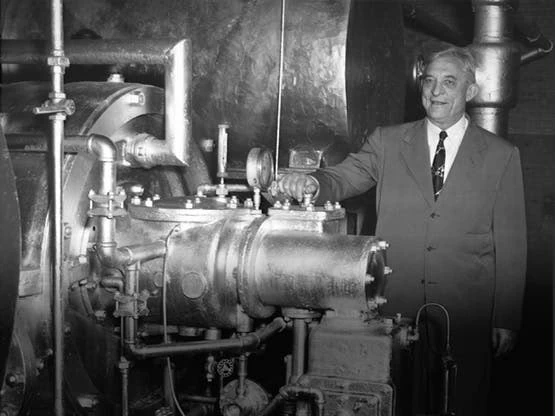
بدأت قصة «ويليس هافيلاند» من مطبعة في بروكلين، حيث كانت الرطوبة تعبث بالورق والألوان، فتتمدد الصفحات وتفقد الطباعة دقتها. وقف مهندس شاب أمام هذه المشكلة الصناعية يبحث عن حل عملي، فانتهى به الأمر إلى اختراع غيّر حياة البشر، ومنح المدن الحارة قدرة أكبر على العمل والإنتاج والعيش.
في عام 1902، وضع ويليس هافيلاند الأساس العملي لتكييف الهواء الحديث بعدما أدرك أن التحكم في الرطوبة ودرجة الحرارة يمكن أن يصنع بيئة مستقرة داخل المصانع والمنشآت. ومن تلك الفكرة خرج أحد أكثر الاختراعات حضوراً في تفاصيل الحياة اليومية، من البيوت والمكاتب إلى المستشفيات والمطارات ووسائل النقل.
تقطيع التفاح إلى أجزاء
وُلد ويليس هافيلاند كاريير في ولاية نيويورك في 26 نوفمبر 1876، وكانت طفولته تحمل ملامح مبكرة لعقل يتعلم بالمشاهدة والتجربة. حين واجه صعوبة في فهم الكسور، لجأت والدته إلى تقطيع التفاح إلى أجزاء لتشرح له معنى النصف والربع والجمع والطرح. تلك الطريقة البسيطة ساعدته على فهم الرياضيات وفتحت أمامه باب التفكير العملي في حل المشكلات.
التحق ويليس هافيلاند لاحقاً بالمدرسة الثانوية المركزية في بوفالو ثم حصل على منحة دراسية في جامعة كورنيل وتخرج عام 1901 بدرجة البكالوريوس في الهندسة الكهربائية. وبعد تخرجه عمل مهندس أبحاث في شركة «بوفالو فورج» حيث أظهر قدرة لافتة في البحث والتطوير، وأنجز دراسات وفرت على الشركة نحو 40000 دولار سنوياً، ما مهّد لتوليه مسؤوليات أوسع داخلها.
جاءت اللحظة الفارقة في أواخر خريف عام 1902 عندما كان ويليس يقف على منصة قطار في بيتسبرغ وسط أجواء ضبابية. وبين الضباب والهواء المشبع بالرطوبة، خطرت له فكرة ستقوده إلى اختراعه الأهم: التحكم في رطوبة الهواء ودرجة حرارته معاً. أدرك ويليس أن الهواء يمكن تجفيفه أو ترطيبه عبر التحكم في مروره بالماء ودرجات الحرارة، وأن الوصول إلى هواء بدرجة رطوبة محددة يمكن أن يحل مشكلات صناعية معقدة. وخلال عام واحد، أنجز الأساس العلمي لاختراعه الذي سيعرف لاحقاً بتكييف الهواء الحديث.
المطبعة.. بداية القصة
وكان التطبيق العملي الأول في مطبعة بمدينة بروكلين كانت تعاني من تمدد الورق وانكماشه بسبب تغير الرطوبة والحرارة، ما يؤدي إلى تشوه الألوان وسوء الطباعة. وضع ويليس هافيلاند حلاً عملياً عبر دفع الهواء إلى الغرفة من خلال أنابيب مملوءة بالماء البارد، فامتص الهواء البارد الحرارة وانخفضت الرطوبة واستقرت جودة الطباعة.
وفي عام 1906، حصل كاريير على براءة اختراع أمريكية لجهاز معالجة الهواء، وهو إنجاز رسخ اسمه في تاريخ الابتكار الصناعي. ومع اندلاع الحرب العالمية الأولى وتغير أولويات شركة «بوفالو فورج»، قرر ويليس هافيلاند مع ستة من المهندسين تأسيس شركة للهندسة عام 1915 برأسمال بلغ 32600 دولار، واتخذت الشركة ولاية نيوجيرسي مقراً لها.
في بداياته، استخدم التكييف لحماية الآلات والمنتجات وتحسين بيئات التصنيع، فدخل مصانع القطن والمنسوجات والحلوى والمكرونة وغيرها، ثم وجد طريقه تدريجياً إلى الفنادق والمسارح الفاخرة ووسائل النقل، وبعدها إلى المنازل والمكاتب، حتى أصبح جزءاً أساسياً من الحياة الحديثة.
توفي وترك إرثاً للبشرية
ومع مرور السنوات، تحوّل اختراع ويليس هافيلاند إلى ضرورة في كثير من مدن العالم، خصوصاً في المناطق الحارة. فقد ساعد على استمرار العمل والإنتاج في الصيف، وحسّن بيئات المستشفيات والمدارس والمصانع، وأسهم في حفظ الأغذية والأدوية، ورفع مستوى الراحة والسلامة في البيوت والأماكن العامة.
توفي ويليس هافيلاند في أكتوبر 1950 عن عمر ناهز 74 عاماً، لكنه ترك وراءه اختراعاً لا يزال حاضراً في تفاصيل الحياة اليومية. ومن مطبعة صغيرة في بروكلين، بدأت قصة جهاز أصبح أحد أعمدة الحياة الحديثة، وارتبط باسم الرجل الذي أعاد تشكيل علاقة الإنسان بالمناخ. وبين مطبعة كانت تبحث عن ورق مستقر، وعالم يواجه اليوم صيفاً أكثر قسوة، يحضر إرث ويليس هافيلاند بوصفه واحداً من الابتكارات التي منحت البشر قدرة أكبر على العيش والعمل والإنتاج في بيئات شديدة الحرارة.
The story of "Willis Haviland" began in a printing house in Brooklyn, where humidity played havoc with the paper and colors, causing the pages to expand and the printing to lose its accuracy. A young engineer stood before this industrial problem, searching for a practical solution, and ended up inventing something that changed human lives, granting hot cities a greater capacity for work, production, and living.
In 1902, Willis Haviland laid the practical foundation for modern air conditioning after realizing that controlling humidity and temperature could create a stable environment inside factories and facilities. From that idea emerged one of the most present inventions in the details of daily life, from homes and offices to hospitals, airports, and means of transportation.
Cutting Apples into Pieces
Willis Haviland Carrier was born in New York State on November 26, 1876, and his childhood bore early signs of a mind that learned through observation and experience. When he faced difficulty understanding fractions, his mother resorted to cutting apples into pieces to explain to him the meaning of half, quarter, addition, and subtraction. This simple method helped him grasp mathematics and opened the door to practical thinking in problem-solving.
Willis Haviland later attended Central High School in Buffalo and then received a scholarship to Cornell University, graduating in 1901 with a Bachelor’s degree in Electrical Engineering. After graduation, he worked as a research engineer at the "Buffalo Forge" company, where he demonstrated remarkable ability in research and development, completing studies that saved the company about $40,000 annually, paving the way for him to take on broader responsibilities within it.
The pivotal moment came in late autumn 1902 when Willis was standing on a train platform in Pittsburgh amid foggy weather. Amid the fog and the air saturated with humidity, an idea struck him that would lead to his most significant invention: controlling both the humidity and temperature of the air. Willis realized that air could be dried or humidified by controlling its passage through water and temperature levels, and that achieving air with a specific humidity level could solve complex industrial problems. Within a year, he completed the scientific foundation for his invention, which would later be known as modern air conditioning.
The Printing House.. The Beginning of the Story
The first practical application was in a printing house in Brooklyn that suffered from the expansion and contraction of paper due to changes in humidity and temperature, leading to color distortion and poor printing quality. Willis Haviland devised a practical solution by pushing air into the room through pipes filled with cold water, allowing the cold air to absorb heat, reducing humidity, and stabilizing print quality.
In 1906, Carrier obtained a U.S. patent for an air treatment device, an achievement that cemented his name in the history of industrial innovation. With the outbreak of World War I and the changing priorities of the "Buffalo Forge" company, Willis Haviland, along with six engineers, decided to establish an engineering company in 1915 with a capital of $32,600, and the company chose New Jersey as its headquarters.
In its early days, air conditioning was used to protect machines and products and improve manufacturing environments, gradually entering cotton, textile, candy, and pasta factories, then finding its way into luxury hotels, theaters, and transportation, and later into homes and offices, until it became an essential part of modern life.
He Passed Away, Leaving a Legacy for Humanity
As the years went by, Willis Haviland's invention became a necessity in many cities around the world, especially in hot regions. It helped sustain work and production in the summer, improved environments in hospitals, schools, and factories, contributed to the preservation of food and medicines, and enhanced comfort and safety in homes and public places.
Willis Haviland passed away in October 1950 at the age of 74, but he left behind an invention that remains present in the details of daily life. From a small printing house in Brooklyn, the story of a device that became one of the pillars of modern life began, associated with the name of the man who reshaped the relationship between humans and climate. Between a printing house searching for stable paper and a world facing a harsher summer today, Willis Haviland's legacy stands as one of the innovations that granted humans a greater ability to live, work, and produce in extremely hot environments.