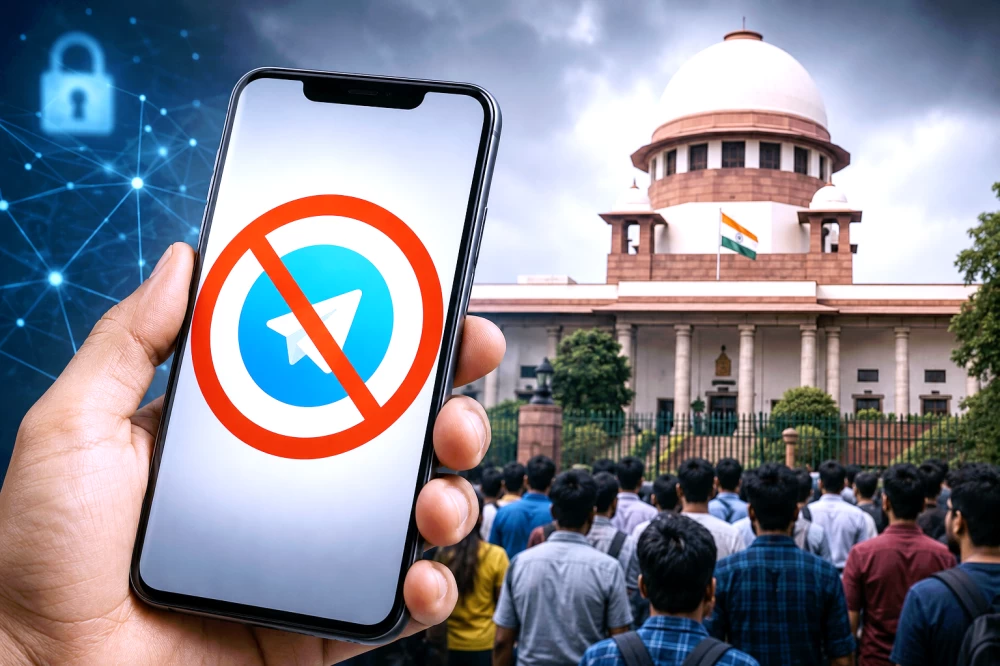
فرضت السلطات الهندية حظرًا مؤقتًا على تطبيق المراسلة «تيليغرام»، في خطوة جاءت على خلفية اتهامات باستخدامه في الترويج لعمليات احتيال مرتبطة بامتحانات القبول الطبية الوطنية.
وأعلنت وكالة الاختبارات الوطنية، أن الحظر سيستمر حتى 22 يونيو الجاري، عقب إعادة إجراء الامتحان المقرر في 21 يونيو، كما قررت تعليق إحدى الميزات التي تتيح لمسؤولي القنوات تعديل الرسائل مع الإبقاء على تاريخ نشرها الأصلي حتى نهاية الشهر.
وجاءت الإجراءات بعد إلغاء نتائج الامتحان، الذي شارك فيه أكثر من 2.2 مليون طالب، إثر تقارير تحدثت عن تسريب الأسئلة عبر تطبيقات المراسلة. وأكدت الوكالة، أن القرار يهدف إلى الحفاظ على النظام العام وضمان نزاهة العملية التعليمية.
وأوضحت السلطات، أن بعض القنوات استخدمت خاصية تعديل الرسائل لإضافة أسئلة حقيقية بعد انتهاء الاختبار، ثم عرضها باعتبارها دليلًا على تسريبها مسبقًا. كما كشفت عن قنوات زعمت بيع أسئلة الامتحان مقابل مبالغ مالية كبيرة.
في المقابل، انتقدت جهات حقوقية وخبراء تقنيون القرار، معتبرين أن الحظر قد يؤثر على المستخدمين والشركات أكثر من المتورطين في المخالفات، فيما لم تصدر إدارة «تيليغرام» تعليقًا رسميًا بشأن القضية.
The Indian authorities have imposed a temporary ban on the messaging app "Telegram," in a move that comes in the wake of accusations of its use in promoting fraud related to the national medical entrance examinations.
The National Testing Agency announced that the ban will last until June 22, following the rescheduled exam set for June 21. They also decided to suspend one feature that allows channel administrators to edit messages while keeping their original publication date until the end of the month.
The actions came after the cancellation of the exam results, in which more than 2.2 million students participated, following reports of leaked questions via messaging apps. The agency confirmed that the decision aims to maintain public order and ensure the integrity of the educational process.
The authorities explained that some channels used the message editing feature to add real questions after the test had concluded, then presented them as evidence of prior leaks. They also revealed channels that claimed to sell exam questions for large sums of money.
In contrast, human rights organizations and technical experts criticized the decision, arguing that the ban may affect users and companies more than those involved in the violations, while the "Telegram" management has not issued an official comment on the matter.