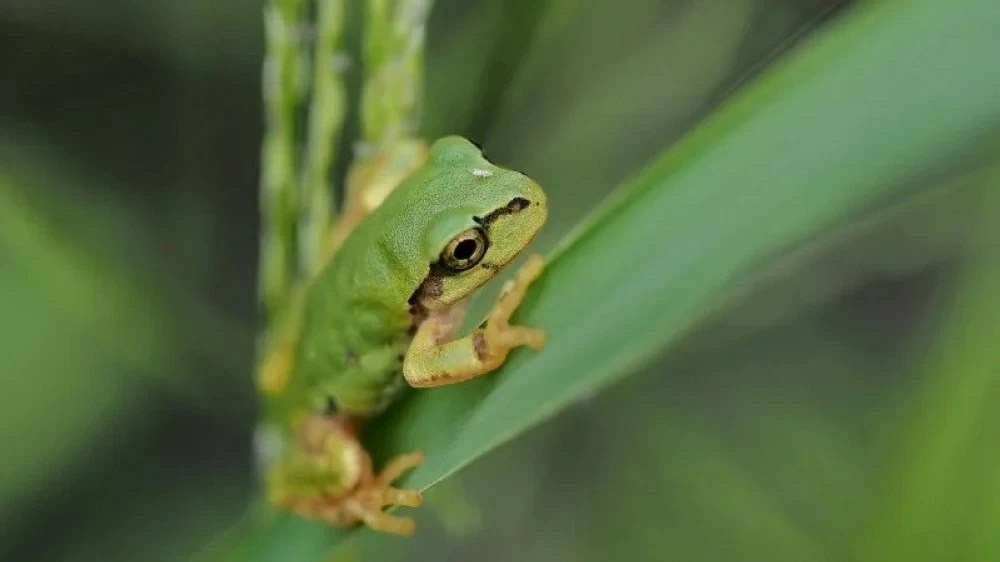
في الوقت الذي لا تزال علاجات السرطان التقليدية تواجه تحديات كبيرة تتعلق بالسمّية ومقاومة الأورام، يفتح اكتشاف علمي جديد نافذة غير متوقعة للأمل. فقد قاد البحث في أسرار كائنات نادراً ما تُصاب بالسرطان إلى نهج علاجي مبتكر، يعتمد على بكتيريا تعيش في أمعاء ضفدع صغير، لكنها تمتلك قدرات مذهلة في مواجهة أحد أعقد أمراض العصر.
ووفقاً لما نشرته مجلة Gut Microbes، جاء هذا الاكتشاف انطلاقاً من ملاحظة علمية طالما حيّرت الباحثين، مفادها أن البرمائيات والزواحف نادراً ما تُصاب بالأورام السرطانية، ما أثار تساؤلات حول الدور المحتمل لميكروباتها المعوية في هذه الظاهرة.
ودفع ذلك فريقاً بحثياً من المعهد الياباني المتقدم للعلوم والتكنولوجيا إلى دراسة تأثير نقل بكتيريا الأمعاء من هذه الكائنات إلى نماذج حيوانية، بهدف تقييم خصائصها المضادة للأورام.
واختبر الباحثون 45 سلالة بكتيرية جُمعت من ضفادع وسمندل وسحالي، وأظهرت تسع منها نشاطاً ملحوظاً في مقاومة الأورام. غير أن السلالة الأكثر إثارة للاهتمام كانت بكتيريا تُعرف باسم Ewingella americana، المستخلصة من ضفادع الشجر.
وأفادت الورقة العلمية بأن جرعة واحدة فقط من هذه البكتيريا لم تُسهم في تقليص حجم الأورام فحسب، بل أدت إلى اختفائها تماماً. والأكثر لفتاً للانتباه أن إعادة حقن الخلايا السرطانية بعد 30 يوماً لم تتسبب في عودة الأورام خلال فترة المتابعة اللاحقة.
وكشفت التحليلات أن E. americana تعمل عبر آليتين متزامنتين؛ إذ تهاجم الخلايا السرطانية مباشرة، وفي الوقت نفسه تعزز الاستجابة المناعية للجسم من خلال تنشيط الخلايا التائية والبائية والعدلات، وهي مكونات أساسية في منظومة الدفاع المناعي.
ويرجّح الباحثون أن هذه الفاعلية تعود إلى قدرة البكتيريا على التكيّف مع البيئات منخفضة الأكسجين، وهي ظروف شائعة داخل الأورام السرطانية، إذ غالباً ما تتراجع كفاءة الخلايا المناعية وتضعف فاعلية العلاجات الكيميائية التقليدية.
وبحسب النتائج الأولية على الحيوانات، بدت E. americana آمنة إلى حد كبير، إذ تمكن جسم الفئران من التخلص منها سريعاً، دون تسجيل سمّية طويلة الأمد أو أضرار بالأعضاء السليمة.
كما أظهرت البكتيريا فاعلية أعلى في تقليص الأورام مقارنة ببعض العلاجات المستخدمة حالياً، بما في ذلك دواء دوكسوروبيسين الشائع في العلاج الكيميائي.
وأكد الباحثون أن هذه النتائج تضع E. americana ضمن قائمة المرشحين العلاجيين الواعدين بملف أمان أولي مشجع، ما يمهد الطريق لتطويرها سريرياً ودراسة إمكاناتها مستقبلاً في علاج السرطان.
At a time when traditional cancer treatments still face significant challenges related to toxicity and tumor resistance, a new scientific discovery opens an unexpected window of hope. Research into the secrets of organisms that rarely develop cancer has led to an innovative therapeutic approach, based on bacteria that live in the intestines of a small frog, which possess remarkable abilities to combat one of the most complex diseases of our time.
According to what was published in the journal Gut Microbes, this discovery stemmed from a scientific observation that has long puzzled researchers: amphibians and reptiles rarely develop cancerous tumors, raising questions about the potential role of their gut microbes in this phenomenon.
This prompted a research team from the Advanced Institute of Science and Technology in Japan to study the effect of transferring gut bacteria from these organisms to animal models, aiming to evaluate their anti-tumor properties.
The researchers tested 45 bacterial strains collected from frogs, salamanders, and lizards, and nine of them showed significant activity in resisting tumors. However, the most interesting strain was a bacterium known as Ewingella americana, extracted from tree frogs.
The scientific paper reported that a single dose of this bacterium not only contributed to reducing tumor size but also led to their complete disappearance. Most notably, re-injecting cancer cells after 30 days did not cause the tumors to return during the subsequent follow-up period.
Analyses revealed that E. americana operates through two concurrent mechanisms; it directly attacks cancer cells while simultaneously enhancing the body's immune response by activating T cells, B cells, and neutrophils, which are essential components of the immune defense system.
Researchers speculate that this effectiveness is due to the bacterium's ability to adapt to low-oxygen environments, which are common within cancerous tumors, where the efficiency of immune cells often declines and the effectiveness of traditional chemotherapy treatments weakens.
According to preliminary results in animals, E. americana appeared to be largely safe, as the mice's bodies were able to eliminate it quickly, with no recorded long-term toxicity or damage to healthy organs.
The bacteria also demonstrated greater effectiveness in reducing tumors compared to some currently used treatments, including the commonly used chemotherapy drug doxorubicin.
The researchers confirmed that these results place E. americana among the promising therapeutic candidates with encouraging preliminary safety profiles, paving the way for its clinical development and future exploration of its potential in cancer treatment.