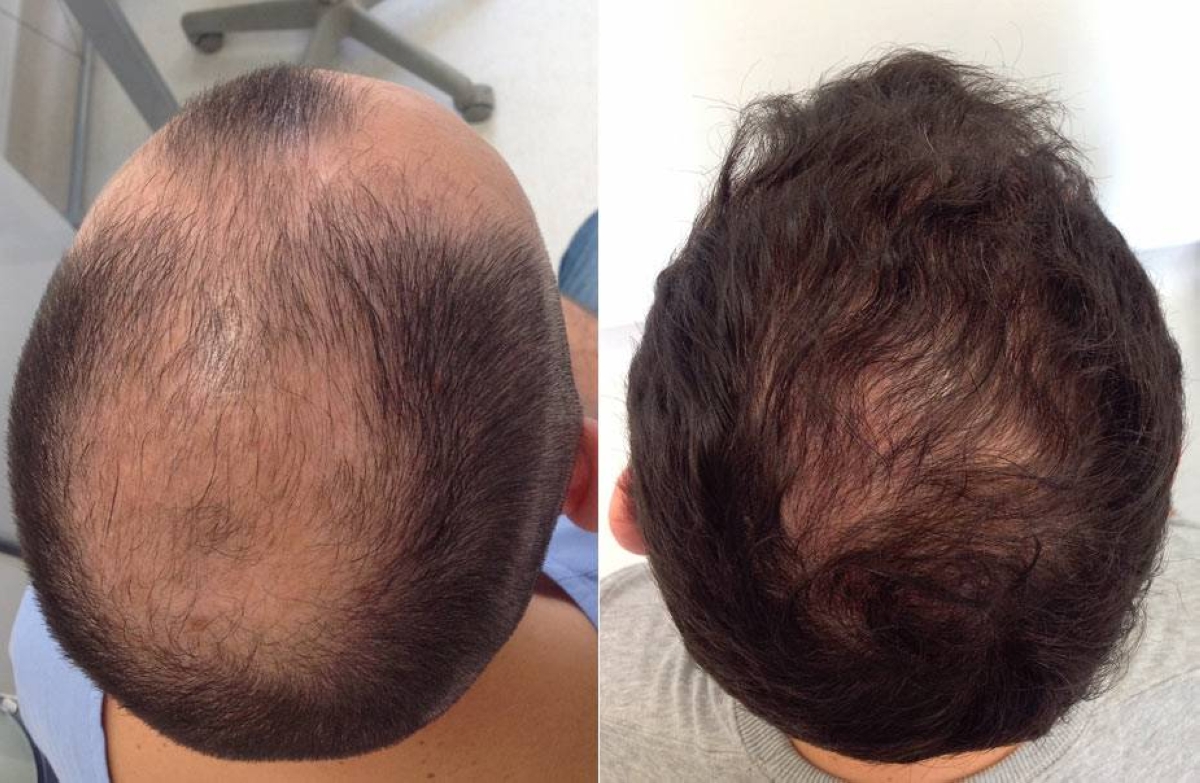
أظهر دواء تجريبي جديد قدرة واعدة على تحفيز نمو الشعر من جديد في فروة رأس رجال ونساء يعانون الصلع في مقدمة وأعلى الرأس، خلال التجارب السريرية المبكرة.
وفي تجربة المرحلة 2a، استخدم المشاركون جلاً يحتوي على الدواء المسمى PP405 يومياً، ولاحظوا بدء نمو الشعر بحلول الأسبوع الثامن، وفقًا لـ«الديلي ميل».
وأظهرت النتائج أن 31% من المستخدمين شهدوا زيادة في كثافة الشعر بأكثر من 20%، في حين لم يلاحظ أي نمو في مجموعة الدواء الوهمي.
كما لم تُسجل أي آثار جانبية، ولم يُكتشف الدواء في الدم، ما يشير إلى احتمالية عدم تأثيره في أجزاء أخرى من الجسم.
ويعد هذا التطور مهمًا، خصوصا أن الأدوية المتوفرة حالياً مثل «فيناسترايد» و«مينوكسيديل» تحتاج إلى نحو ستة أشهر لتُظهر نتائج، وغالبًا ما يكون الشعر الناتج أرق، بالإضافة إلى مخاطر تعرض المستخدمين لمشاكل صحية مثل ضعف الانتصاب ومشاكل القلب والأوعية الدموية.
وقالت الدكتورة تشينغ يو كريستينا وينغ، طبيبة الأمراض الجلدية والمشرفة على التجارب: «لقد فاجأتنا النتائج، فقد ظهر شعر طبيعي وكثيف بعد أربعة أسابيع فقط، وليس مجرد زغب ناعم».
ويعمل الدواء من خلال تنشيط إنزيم يُدعى «لاكتات ديهيدروجينيز»، الذي يُحفّز بصيلات الشعر الخاملة على النشاط مجددًا. وإذا أثبتت التجارب القادمة نجاحها، فقد يتوفر الدواء في الأسواق الأمريكية بين عامي 2027 و2028.
وأشار الدكتور غاري لينكوف، جراح التجميل، إلى أن معظم بصيلات الشعر ليست ميتة بل في حالة خمول، مضيفًا: «إذا تمكنا من إعادة تنشيط هذه البصيلات وتحفيز الخلايا الجذعية، يمكن استعادة نمو الشعر حتى في المناطق التي كانت تُعد صلعًا دائمًا».
وحصل دواء PP405 الآن على الموافقة للبدء في المرحلة الثالثة من التجارب السريرية، التي تعد الحاسمة لتقييم فاعلية العلاج.
وقال الدكتور آراش مستغيمي، عضو المجلس الاستشاري للشركة المصنعة للدواء: «يتميّز PP405 بكونه علاجًا موضعيًا يظهر تأثيرات بيولوجية قابلة للقياس في وقت مبكر، وقد يغيّر مفهومنا حول التقدم السريري في علاج تساقط الشعر».
مع استمرار تطويره، يبدو أن PP405 يفتح آفاقًا جديدة لعلاج الصلع، ويمنح فرصة حقيقية لاستعادة الشعر بشكل طبيعي وآمن.
A new experimental drug has shown promising ability to stimulate hair regrowth on the scalps of men and women suffering from baldness at the front and top of the head during early clinical trials.
In a phase 2a trial, participants used a gel containing the drug named PP405 daily and noticed the onset of hair growth by the eighth week, according to the Daily Mail.
The results showed that 31% of users experienced an increase in hair density of more than 20%, while no growth was observed in the placebo group.
No side effects were reported, and the drug was not detected in the blood, indicating a likelihood of it not affecting other parts of the body.
This development is significant, especially since currently available medications like finasteride and minoxidil take about six months to show results, and the resulting hair is often thinner, along with risks of users experiencing health issues such as erectile dysfunction and cardiovascular problems.
Dr. Ching Yu Christina Wing, a dermatologist overseeing the trials, stated, “We were surprised by the results; natural and dense hair appeared after just four weeks, not just fine fuzz.”
The drug works by activating an enzyme called lactate dehydrogenase, which stimulates dormant hair follicles to become active again. If upcoming trials prove successful, the drug could be available in the U.S. market between 2027 and 2028.
Dr. Gary Linkov, a plastic surgeon, pointed out that most hair follicles are not dead but in a dormant state, adding, “If we can reactivate these follicles and stimulate the stem cells, hair growth can be restored even in areas previously considered permanently bald.”
PP405 has now received approval to begin phase three of clinical trials, which are critical for assessing the treatment's effectiveness.
Dr. Arash Mostaghimi, a member of the advisory board for the drug's manufacturing company, said, “PP405 is distinguished as a topical treatment that shows measurable biological effects early on, and it may change our understanding of clinical progress in treating hair loss.”
As it continues to be developed, PP405 appears to open new horizons for treating baldness, offering a real chance for natural and safe hair restoration.