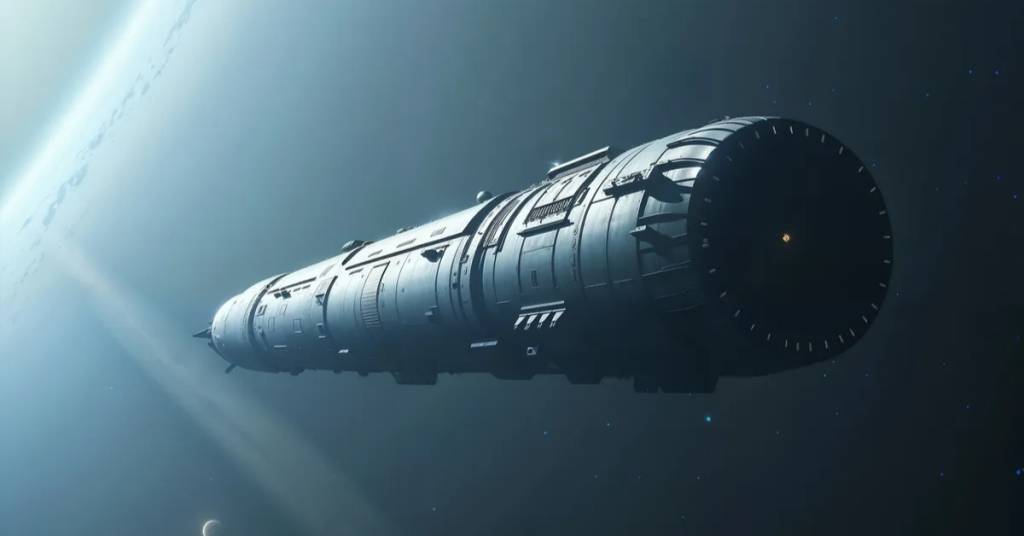
فاز تصميم سفينة فضائية عملاقة بطول 36 ميلاً، تحمل اسم «كريساليس»، بالمركز الأول في مسابقة مشروع هايبريون المخصصة لأفضل تصاميم المركبات بين النجوم، وسط إشادة بقدرتها النظرية على نقل نحو 2400 شخص في رحلة تستغرق 400 عام للوصول إلى كوكب بروكسيما سنتوري ب، أقرب الكواكب المحتملة للحياة خارج نظامنا الشمسي.
صممت السفينة التي تعمل بمفاعلات اندماج نووي افتراضية، بخمس طبقات متحدة المركز تضم مزارع، ومستودعات روبوتية، وحدائق، ومدارس، ومستشفيات، ومنازل، إضافة إلى صناعات ومرافق أساسية لضمان استمرار الحياة على متنها. كما تشمل مناطق حيوية للحفاظ على التنوع البيولوجي، من الغابات الاستوائية إلى مزارع الميكروبات.
ووفق المخطط، سيخضع الركاب لتدريب صارم قد يمتد إلى عدة أعوام في عزلة بالقارة القطبية الجنوبية قبل الانطلاق، مع إدارة عدد السكان للحفاظ على الموارد، بحيث لا يتجاوز العدد الفعلي 1500 شخص رغم الطاقة الاستيعابية النظرية البالغة 2400.
التصميم من ابتكار فريق يضم جياكومو إنفيليس، فيرونيكا ماجلي، جيدو سبروجيو، نيفينكا مارتينيلو، وفيديريكا كيارا سيربي، الذين حصلوا على جائزة قدرها 5000 دولار. ورغم أن المشروع لا يزال في إطار الخيال العلمي، فإنه يقدم تصوراً عملياً نسبياً لكيفية نجاة البشرية في حال انهيار الحياة على الأرض.
A design for a giant spaceship measuring 36 miles long, named "Chrysalis," won first place in the Hyperion Project competition for the best interstellar vehicle designs, amid praise for its theoretical ability to transport around 2,400 people on a journey lasting 400 years to reach Proxima Centauri b, the closest potentially habitable planet outside our solar system.
The ship, which operates on hypothetical nuclear fusion reactors, is designed with five concentric layers that include farms, robotic warehouses, gardens, schools, hospitals, and homes, in addition to industries and essential facilities to ensure the continuation of life on board. It also features vital areas to maintain biodiversity, ranging from tropical forests to microbial farms.
According to the plan, passengers will undergo rigorous training that may extend for several years in isolation on the Antarctic continent before departure, with population management to conserve resources, ensuring that the actual number does not exceed 1,500 people despite the theoretical capacity of 2,400.
The design was created by a team including Giacomo Infeilis, Veronica Magli, Guido Sprugio, Nevenka Martinello, and Federica Chiara Serbi, who received a prize of $5,000. Although the project remains within the realm of science fiction, it offers a relatively practical vision of how humanity might survive in the event of life on Earth collapsing.