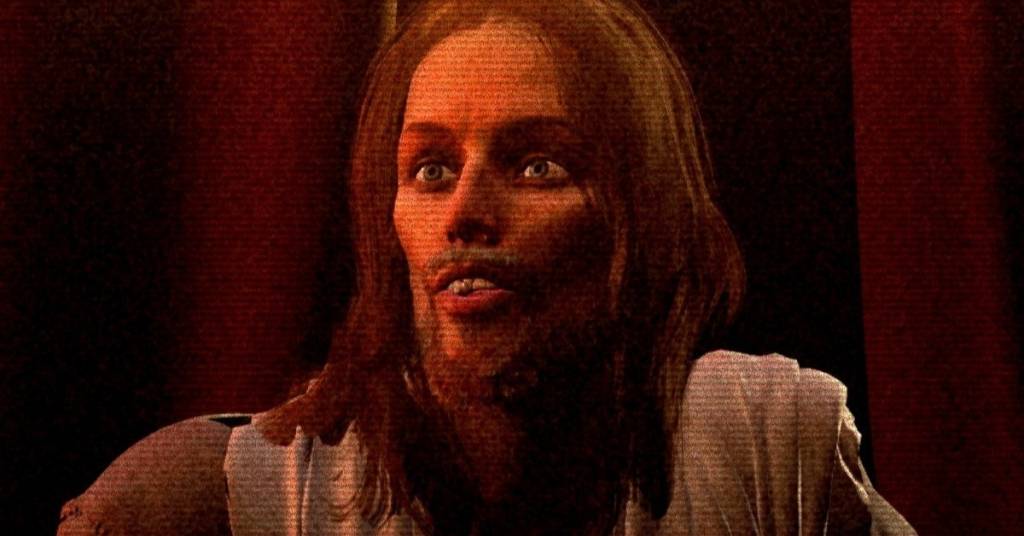
أثار انتشار روبوتات دردشة مدعومة بالذكاء الاصطناعي تُجسد شخصيات دينية، مخاوف أساتذة الفلسفة، محذرين من مخاطر استخدامها على الفئات الأكثر عرضة للأوهام والاضطرابات الذهنية. وبحسب تحقيق أجرته آن هـ. فيرهوف من جامعة نورث ويست بجنوب أفريقيا، فإن هذه التطبيقات، تُطورها شركات خاصة لأغراض ربحية دون أي صلة بالمؤسسات الدينية الرسمية.
المخاوف تتعلق بادعاء هذه الروبوتات أنها تنطق بكلام شخصيات دينية، وليس مجرد اقتباسات أو تفسيرات للنصوص الدينية، مما قد يمنحها مصداقية زائفة لدى المستخدمين. وترى فيرهوف أن دوافع المطورين، القائمة على تعظيم التفاعل والربح، قد تؤدي إلى إعادة تشكيل المعتقدات الدينية بما يتوافق مع معايير السوق والخوارزميات، الأمر الذي يشكل خطراً لا يمكن تجاهله.
وتحذر الدراسة من أن هذه «المنقذات الزائفة» قد تصبح مقنعة بما يكفي للتأثير على المعتقدات الفردية والجماعية، في ظل غياب أي تنظيم أو رقابة على هذا النوع من المحتوى. وتصف فيرهوف هذه الظاهرة بأنها شكل جديد من «التجديف»، حيث يُقدَّم المحتوى الديني في قالب خوارزمي مصمم لجذب الانتباه وتحقيق الأرباح على نطاق واسع.
The spread of AI-powered chatbots embodying religious figures has raised concerns among philosophy professors, warning of the dangers of their use on the most susceptible groups to delusions and mental disorders. According to an investigation conducted by Ann H. Verhoef from the University of Northwest in South Africa, these applications are developed by private companies for profit without any connection to official religious institutions.
The concerns relate to the claim that these chatbots speak the words of religious figures, rather than merely providing quotes or interpretations of religious texts, which may grant them false credibility among users. Verhoef believes that the developers' motivations, based on maximizing interaction and profit, could lead to a reshaping of religious beliefs to align with market standards and algorithms, posing a risk that cannot be ignored.
The study warns that these "false saviors" could become convincing enough to influence individual and collective beliefs, in the absence of any regulation or oversight on this type of content. Verhoef describes this phenomenon as a new form of "blasphemy," where religious content is presented in an algorithmic format designed to attract attention and achieve profits on a large scale.