أثارت دمى «لابوبو» جدلاً واسعاً عبر منصات التواصل الاجتماعي بسبب شائعات تربطها بقوى خارقة، وذلك بعدما اجتاحت الدمى الشهيرة، في الآونة الأخيرة، العالم كظاهرة ثقافية وتجارية، حيث أصبحت رمزاً للموضة والإكسسوارات العصرية، خاصة بعد ظهورها مع مشاهير مثل ليزا من فرقة «بلاك بينك» وريهانا.
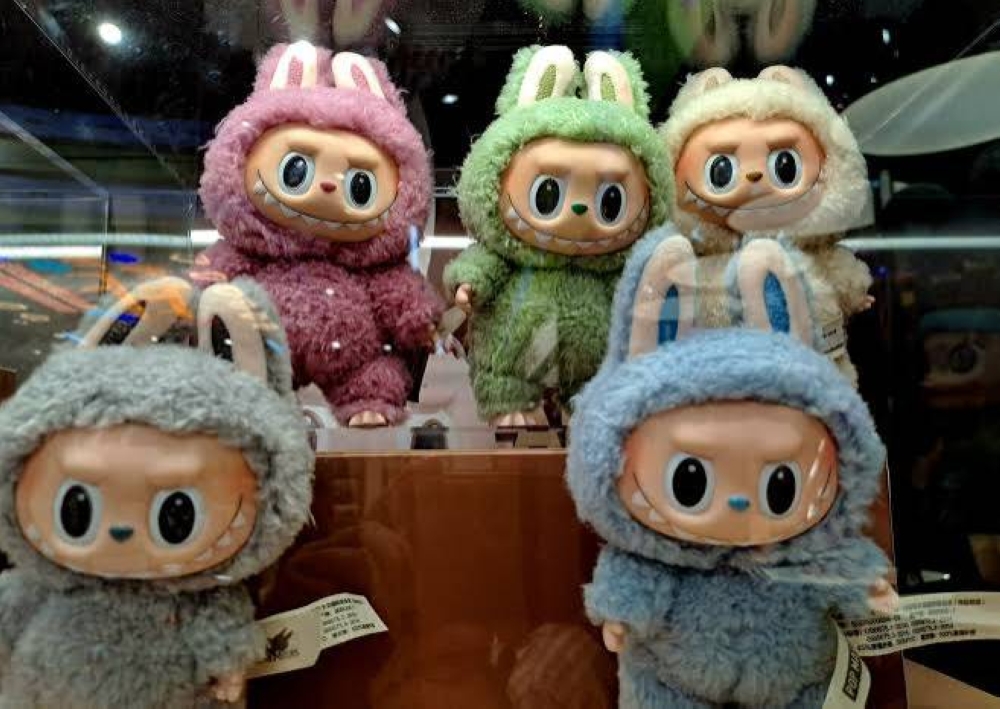
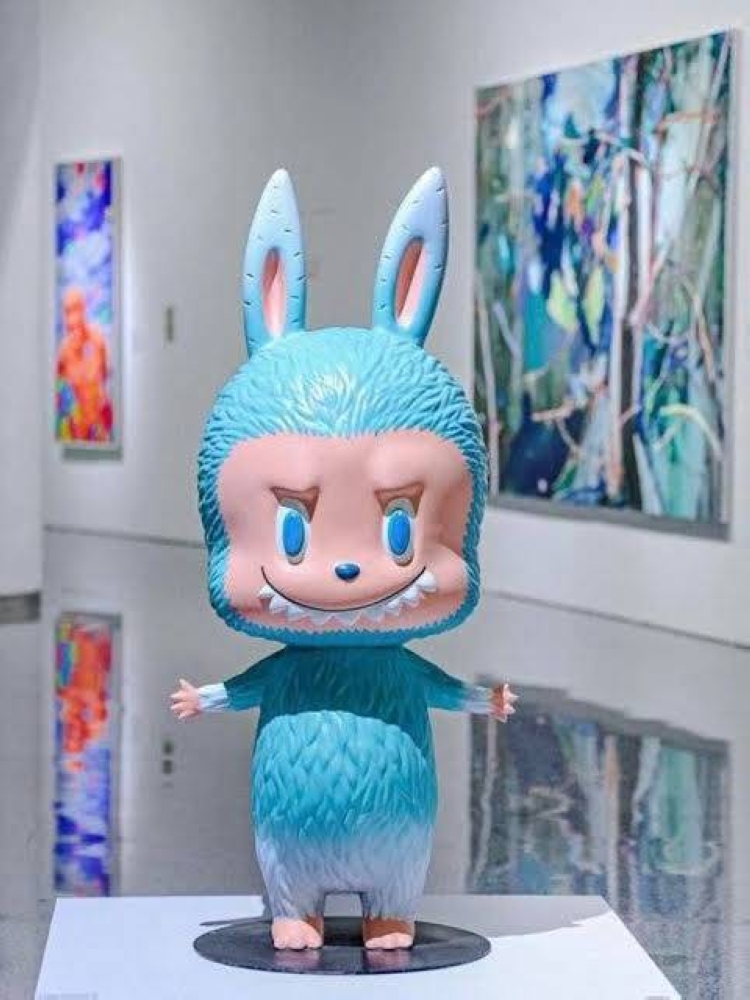
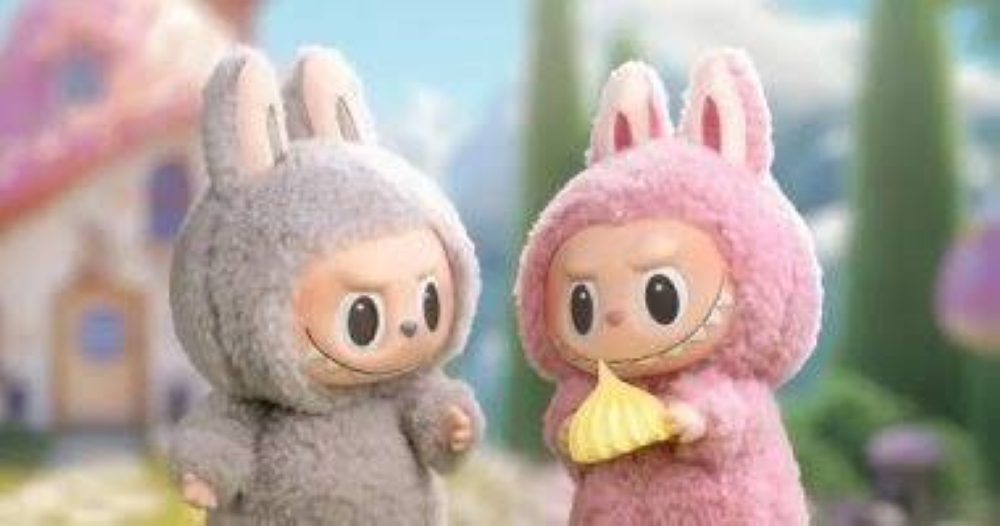
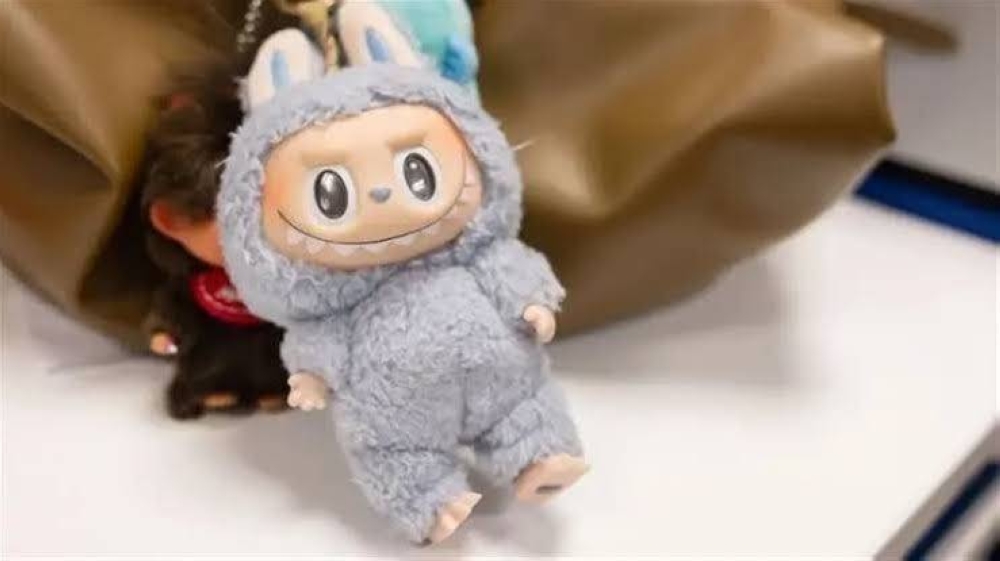
والدمية الصغيرة، التي صممها الفنان الهونغ كونغي كاسينغ لونغ عام 2015، مستوحاة من الأساطير الإسكندنافية، وتتميز بملامح غريبة تجمع بين العيون الواسعة، والأذنين المدببتين، وابتسامة مليئة بأسنان حادة، لكن على الرغم من شعبيتها الهائلة، التي عززتها استراتيجية التسويق الذكية لشركة «بوب مارت» الصينية عبر «الصناديق العمياء»، إلا أنها أثارت جدلاً واسعاً.
بدأت الشرارة الأولى عندما نشر مستخدمون على «تيك توك» و«يوتيوب» مقاطع فيديو وصوراً، منها مقطع يظهر دمية لابوبو بجانب صورة مولدة بالذكاء الاصطناعي لـ«بازوزو»، الشيطان الأسطوري من حضارات بلاد ما بين النهرين، الذي يُصور برأس مخيف، وأجنحة نسر، وجسم إنسان، واشتهر في الثقافة الشعبية من خلال فيلم «طارد الأرواح الشريرة».
وأشعلت هذه الصورة نظريات مؤامرة تزعم أن لابوبو ليست مجرد دمية بريئة، بل تحمل طاقات شريرة أو تعويذات شيطانية، وربط البعض ملامحها الغريبة بصورة بازوزو المرعبة، وتصاعد الجدل عندما ظهر متخصص في طرد الأرواح الشريرة في بودكاست شهير محذراً من اقتناء لابوبو، معتبراً إياها «بوابة للشر»، كما انتشرت روايات على الإنترنت من أشخاص يزعمون أن الدمية تسببت في أحداث غريبة، مثل خدوش على الجسم أو شعور بالضيق النفسي، بل وصل الأمر إلى تأكيد إحدى الأمهات أنها أصابت ابنتها بالرعب.
وفي حادثة لافتة، ضربت المغنية كيتي بيري دمية لابوبو بميكروفون خلال حفلة، معلقة بـ«لابوبو لا»، ما زاد من التكهنات.
في المقابل، يرى آخرون أن هذه الشائعات مجرد «بارانويا رقمية» تغذيها وسائل التواصل الاجتماعي، وأن لابوبو ليست سوى منتج فني ناجح استهدف الكبار أكثر من الأطفال.
وحققت الدمية مبيعات هائلة، تجاوزت 3 مليارات يوان في 2024، وساهمت في نمو شركة «بوب مارت» بنسبة 900% في السوق الأمريكية، كما يؤكد المصمم كاسينغ لونغ أن الدمية مستوحاة من الجنيات الإسكندنافية المرحة، وليس لها أي علاقة بالرموز الشيطانية.
The "Laboobo" dolls have sparked widespread controversy across social media platforms due to rumors linking them to supernatural powers. Recently, these famous dolls have swept the world as a cultural and commercial phenomenon, becoming a symbol of fashion and trendy accessories, especially after being seen with celebrities like Lisa from "Blackpink" and Rihanna.
The small doll, designed by Hong Kong artist Kasing Lung in 2015, is inspired by Norse mythology and features strange characteristics that combine wide eyes, pointed ears, and a smile filled with sharp teeth. Despite its immense popularity, bolstered by the smart marketing strategy of the Chinese company "Pop Mart" through "blind boxes," it has stirred significant controversy.
The first spark began when users on "TikTok" and "YouTube" posted videos and images, including one showing a Laboobo doll next to an AI-generated image of "Pazuzu," the legendary demon from Mesopotamian civilizations, depicted with a terrifying head, eagle wings, and a human body, famously known in popular culture from the film "The Exorcist."
This image ignited conspiracy theories claiming that Laboobo is not just an innocent doll but carries evil energies or demonic charms. Some linked its strange features to the frightening image of Pazuzu, and the debate intensified when a specialist in exorcism appeared on a popular podcast warning against owning a Laboobo, considering it a "gateway to evil." Additionally, stories circulated online from individuals claiming the doll caused strange occurrences, such as scratches on the body or feelings of psychological distress, with one mother even asserting that it terrified her daughter.
In a notable incident, singer Katy Perry struck a Laboobo doll with a microphone during a concert, commenting "Laboobo no," which fueled further speculation.
On the other hand, some believe these rumors are merely "digital paranoia" fueled by social media, arguing that Laboobo is just a successful artistic product aimed more at adults than children.
The doll has achieved massive sales, exceeding 3 billion yuan in 2024, contributing to a 900% growth for "Pop Mart" in the American market. Designer Kasing Lung confirms that the doll is inspired by cheerful Scandinavian fairies and has no connection to demonic symbols.