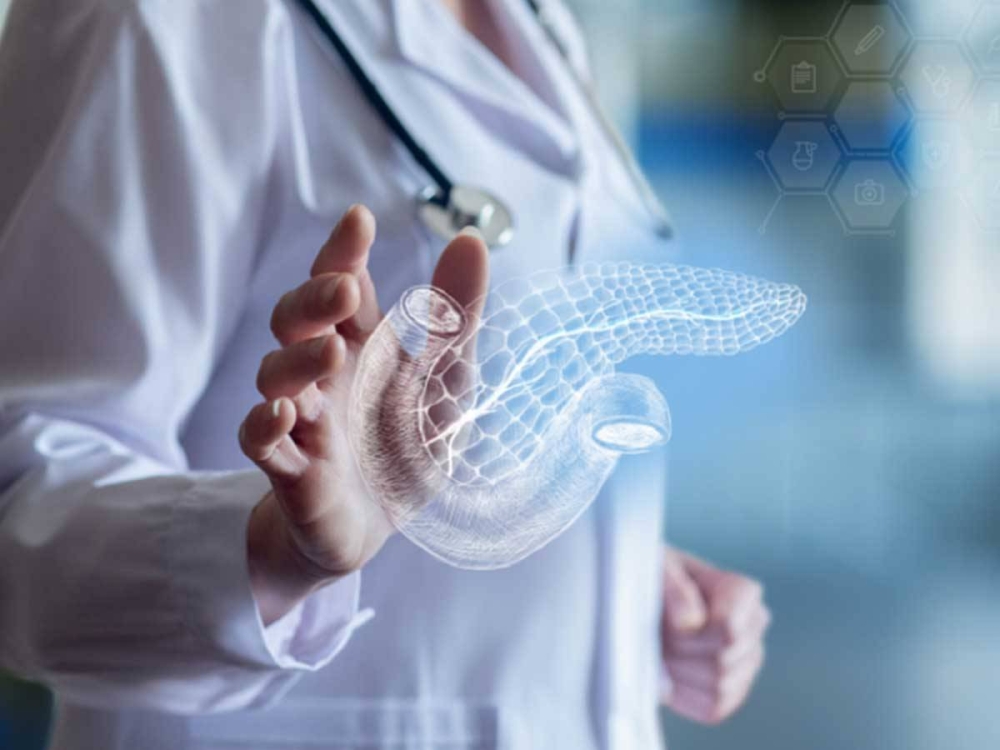
طور فريق بحثي من جامعة فرجينيا الأمريكية نظاماً مبتكراً لبنكرياس اصطناعي تفاعلي، يعتمد على تقنية «التوأم الرقمي» لتحسين إدارة السكري من النوع الأول.
ويستخدم النظام الجديد أسلوباً يعرف بـ«التحكم السلوكي الحيوي التكيفي»، الذي يتيح للبنكرياس الاصطناعي التكيف بمرونة مع التغيرات الفسيولوجية والسلوكية لكل مستخدم، عبر تحديثات دورية وتحليل بيانات آنية.
وقال الدكتور بوريس كوفاتشيف، مدير مركز تكنولوجيا السكري في جامعة فرجينيا والمعد الرئيسي للبحث السريري الذي استمر 6 أشهر بالاعتماد على تقنية ABC: «إن هذا الابتكار يطور خوارزمية توصيل الأنسولين كل أسبوعين، ما يرفع من كفاءة البنكرياس الاصطناعي ويجعله أكثر استجابة لاحتياجات المرضى»، لافتاً إلى أن النظام يوفر أيضاً أداة محاكاة رقمية تفاعلية، تتيح للمستخدمين اختبار إعدادات مختلفة مثل تغيير جرعات الأنسولين الليلية بأمان داخل بيئة افتراضية، قبل اعتمادها فعليّاً على أجهزتهم.
وذكر أن النتائج أثبتت زيادة الوقت الذي يقضيه المستخدمون ضمن النطاق الآمن لمستوى سكر الدم من 72% إلى 77%، مقابل انخفاض متوسط مستوى السكر التراكمي (HbA1c) من 6.8% إلى 6.6%، مؤكداً مواجهة النظام الجديد تحديين رئيسيين لطالما صعبا على الأنظمة السابقة الوصول إلى نتائج مثالية، الأول يتمثل في إدارة التقلبات الكبيرة في سكر الدم خلال النهار، الناتجة عن تناول الطعام أو النشاط البدني، أما الثاني فهو ما يعرف بـ«مرحلة الثبات»، وهي نقطة يتراجع فيها تحسن المستخدمين بعد فترة أولية ناجحة، لافتاً إلى أن التكيف المشترك بين الإنسان والآلة ضروري في حالات مثل السكري من النوع الأول، إذ يتشارك الذكاء الاصطناعي والمستخدم في اتخاذ قرارات العلاج، وتعد تقنية التوأم الرقمي ركيزة أساسية في تمكين هذا التفاعل الذكي.
وأوضح فريق البحث أن النظام يقدم استراتيجيتين لحل هذه التحديات، من خلال دمج التوأم الرقمي مع خوارزمية تتعلم من سلوك المستخدم وتتكيف معه بمرور الوقت، منوهين إلى أن فكرة «التوأم الرقمي» تستند إلى نماذج افتراضية تحاكي أداء الأنظمة والعمليات الواقعية، وهي تقنية استخدمت لأول مرة في برنامج «أبولو» الفضائي التابع لوكالة ناسا في الستينيات، لكنها توظف لأول مرة بشكل شخصي وفردي لمرضى السكري عبر نماذج سحابية مخصصة.
كما تسمح هذه التقنية للمستخدم بفهم كيفية تأثير تعديلاته اليومية مثل التمارين أو تغييرات النظام الغذائي على أداء البنكرياس الاصطناعي، ما يعزز دقة العلاج ويقلل من المخاطر.
A research team from the University of Virginia in the United States has developed an innovative system for an interactive artificial pancreas, based on "digital twin" technology to improve management of type 1 diabetes.
The new system employs a method known as "adaptive bio-behavioral control," which allows the artificial pancreas to flexibly adapt to the physiological and behavioral changes of each user through periodic updates and real-time data analysis.
Dr. Boris Kovachev, director of the Diabetes Technology Center at the University of Virginia and the principal investigator of the 6-month clinical study relying on ABC technology, stated: "This innovation develops an insulin delivery algorithm every two weeks, enhancing the efficiency of the artificial pancreas and making it more responsive to patients' needs." He noted that the system also provides an interactive digital simulation tool, allowing users to safely test different settings, such as changing nighttime insulin doses, within a virtual environment before implementing them on their actual devices.
He mentioned that the results showed an increase in the time users spent within the safe range of blood sugar levels from 72% to 77%, alongside a decrease in the average HbA1c level from 6.8% to 6.6%. He emphasized that the new system addresses two main challenges that have long hindered previous systems from achieving optimal results. The first challenge is managing significant fluctuations in blood sugar throughout the day, resulting from food intake or physical activity, while the second is known as the "stability phase," a point where users' improvements decline after an initial successful period. He pointed out that the joint adaptation between humans and machines is essential in cases like type 1 diabetes, where artificial intelligence and the user share in making treatment decisions, and the digital twin technology is a fundamental pillar in enabling this intelligent interaction.
The research team explained that the system offers two strategies to tackle these challenges by integrating the digital twin with an algorithm that learns from the user's behavior and adapts over time. They noted that the concept of the "digital twin" is based on virtual models that simulate the performance of real systems and processes, a technology first used in NASA's Apollo space program in the 1960s, but is now being employed for the first time in a personal and individualized manner for diabetes patients through customized cloud models.
This technology also allows the user to understand how their daily modifications, such as exercise or dietary changes, affect the performance of the artificial pancreas, enhancing treatment accuracy and reducing risks.