


تشكّل البرامج الرياضية في أي منظومة إعلامية مرآةً للوعي الجماهيري ومصدراً لبناء الثقافة الرياضية، لكن الواقع في الساحة السعودية اليوم يكشف عن أزمة حقيقية في عمقها التحريري والإخباري فقد تراجعت المهنية لصالح الانفعال، وغابت الرؤية الصحفية لصالح لغة الجماهير، مما أفقد هذه البرامج قيمتها الإعلامية وأثرها التنويري.
غياب الإعداد :
الإعداد هو العمود الفقري لأي برنامج تلفزيوني، إذ يضمن جودة المحتوى ودقته وتوازنه. غير أن ما يُلاحظ على معظم البرامج الرياضية السعودية هو غياب البناء التحريري المتماسك، حيث يتم الاكتفاء بجمع موضوعات سطحية أو متابعة نتائج المباريات دون معالجة معمقة أو سرد تحليلي يستند إلى أرقام ووقائع. هذا القصور جعل البرنامج يتحول إلى جلسة حوارية مفتوحة بلا مرجعيات ولا سياسات تحريرية تضبط الخطاب.
هيمنة لغة الجماهير :
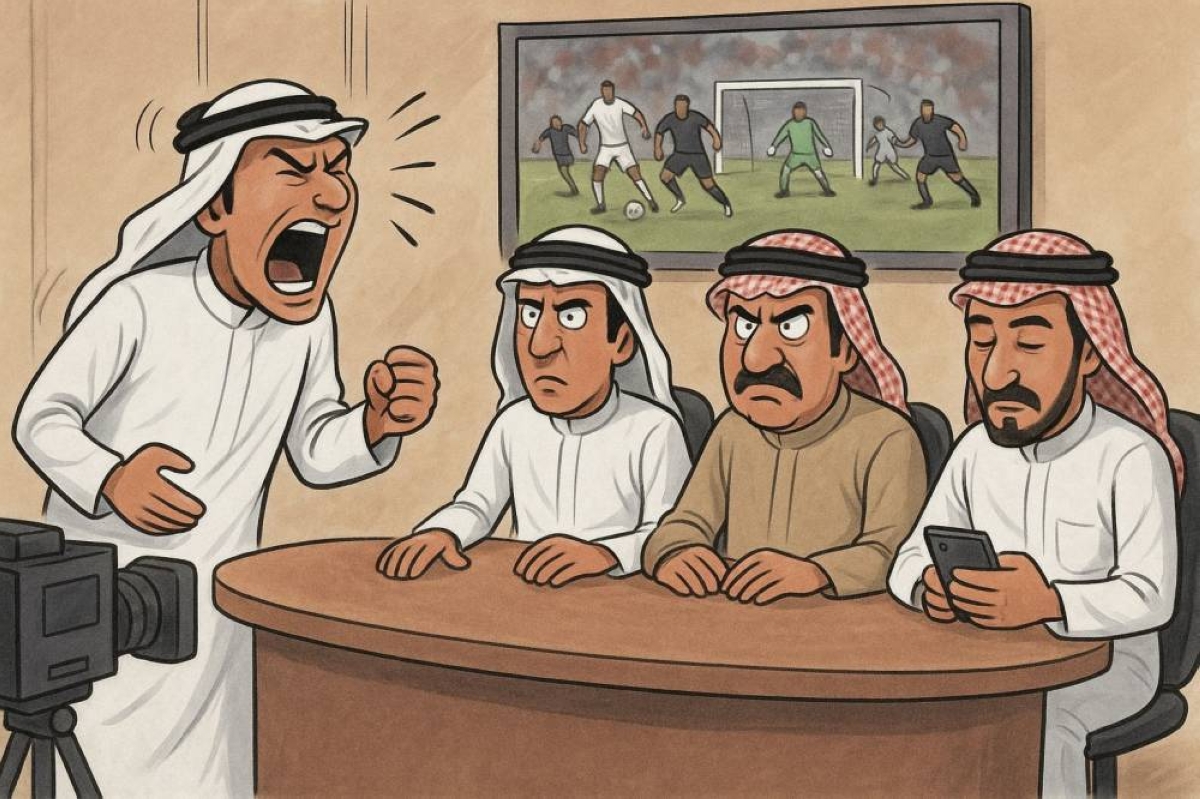
المُعدّون والمذيعون – بدل أن يكونوا صانعي محتوى صحفي محكم – انجرفوا إلى لغة المشجعين. خطاب عاطفي، شعارات متعصبة، ومصطلحات متداولة في المدرجات وجدت طريقها إلى الشاشة، ففقد المشاهد الثقة في أن ما يُعرض أمامه يعكس معياراً مهنياً. بهذا التحوّل، تحوّل الإعلامي من ناقل للحقيقة إلى طرف في السجال الجماهيري.
تراجع الرأي الرصين :
البرامج الرياضية السعودية، بدلاً من أن تؤدي دورها في صناعة رأي عام رياضي متوازن، أصبحت ساحة صراع ميولي، تُغذّي التعصب أكثر مما تعالجه ، فغياب التوثيق بالأرقام، ضعف الاستعانة بالخبراء، وتجاهل منهجية البحث الصحفي الرصين، كلها عوامل جعلت هذه البرامج عاجزة عن تقديم إضافة حقيقية للمتلقي.
الحاجة إلى صحافة مهنية :
الحل يكمن في العودة إلى التحرير الصحفي المحترف، الذي يُبنى على منهجية واضحة: جمع المعلومات من مصادر متعددة، صياغة تقارير استقصائية معمقة، الاستعانة بالإحصاءات والوثائق، وتقديم مادة ترفع وعي الجمهور بدلاً من استمالة مشاعره. فالرياضة، بقدر ما هي منافسة في الملعب، هي أيضاً مشروع وطني للتنمية والوعي، ولا يمكن أن يُدار بخطاب متعصب أو عاطفي.
فشل البرامج الرياضية السعودية لا يعود إلى غياب الدعم أو ضعف الإمكانات التقنية، بل إلى غياب التحرير الصحفي وانجراف المُعدين والمذيعين إلى لغة الشارع. ومع هذا الفراغ التحريري، يظل السؤال معلقاً: متى تعود المهنية إلى استوديوهاتنا الرياضية لتقود الرأي العام نحو وعي أكبر ورياضة أرقى.
البرامج الرياضية السعودية.. صورة بلا إعداد وصوت بلا مهنية .. فمن المسؤول!؟
27 أغسطس 2025 - 20:37
|
آخر تحديث 27 أغسطس 2025 - 20:37


تابع قناة عكاظ على الواتساب
متعب العواد (حائل) Motabalawwd@
Sports programs in any media system serve as a mirror to public awareness and a source for building sports culture. However, the reality in the Saudi arena today reveals a genuine crisis in its editorial and news depth, as professionalism has declined in favor of emotional reactions, and journalistic vision has been overshadowed by the language of the fans. This has diminished the media value and enlightening impact of these programs.
**Lack of Preparation:**
Preparation is the backbone of any television program, ensuring content quality, accuracy, and balance. However, what is noticeable in most Saudi sports programs is the absence of cohesive editorial structure, as they merely compile superficial topics or follow match results without in-depth analysis or narrative based on numbers and facts. This shortcoming has turned the program into an open discussion session without references or editorial policies to regulate the discourse.
**Dominance of Fan Language:**
Producers and presenters – instead of being creators of well-crafted journalistic content – have drifted into the language of fans. Emotional rhetoric, biased slogans, and terms commonly used in the stands have found their way to the screen, causing viewers to lose trust that what is presented reflects a professional standard. With this shift, the media figure has transformed from a transmitter of truth to a participant in public debate.
**Decline of Rational Opinion:**
Saudi sports programs, instead of playing their role in shaping a balanced public sports opinion, have become a battleground for biases, fueling fanaticism rather than addressing it. The lack of documentation with numbers, weak reliance on experts, and neglect of rigorous journalistic research methodology are all factors that have rendered these programs incapable of providing a real addition for the audience.
**Need for Professional Journalism:**
The solution lies in returning to professional journalism, built on a clear methodology: gathering information from multiple sources, crafting in-depth investigative reports, utilizing statistics and documents, and providing content that raises public awareness rather than appealing to their emotions. Sports, as much as it is competition on the field, is also a national project for development and awareness, and it cannot be managed with a biased or emotional discourse.
The failure of Saudi sports programs is not due to a lack of support or weak technical capabilities, but rather to the absence of journalistic editing and the drift of producers and presenters into street language. With this editorial void, the question remains: when will professionalism return to our sports studios to lead public opinion towards greater awareness and a higher standard of sports?
**Lack of Preparation:**
Preparation is the backbone of any television program, ensuring content quality, accuracy, and balance. However, what is noticeable in most Saudi sports programs is the absence of cohesive editorial structure, as they merely compile superficial topics or follow match results without in-depth analysis or narrative based on numbers and facts. This shortcoming has turned the program into an open discussion session without references or editorial policies to regulate the discourse.
**Dominance of Fan Language:**
Producers and presenters – instead of being creators of well-crafted journalistic content – have drifted into the language of fans. Emotional rhetoric, biased slogans, and terms commonly used in the stands have found their way to the screen, causing viewers to lose trust that what is presented reflects a professional standard. With this shift, the media figure has transformed from a transmitter of truth to a participant in public debate.
**Decline of Rational Opinion:**
Saudi sports programs, instead of playing their role in shaping a balanced public sports opinion, have become a battleground for biases, fueling fanaticism rather than addressing it. The lack of documentation with numbers, weak reliance on experts, and neglect of rigorous journalistic research methodology are all factors that have rendered these programs incapable of providing a real addition for the audience.
**Need for Professional Journalism:**
The solution lies in returning to professional journalism, built on a clear methodology: gathering information from multiple sources, crafting in-depth investigative reports, utilizing statistics and documents, and providing content that raises public awareness rather than appealing to their emotions. Sports, as much as it is competition on the field, is also a national project for development and awareness, and it cannot be managed with a biased or emotional discourse.
The failure of Saudi sports programs is not due to a lack of support or weak technical capabilities, but rather to the absence of journalistic editing and the drift of producers and presenters into street language. With this editorial void, the question remains: when will professionalism return to our sports studios to lead public opinion towards greater awareness and a higher standard of sports?


