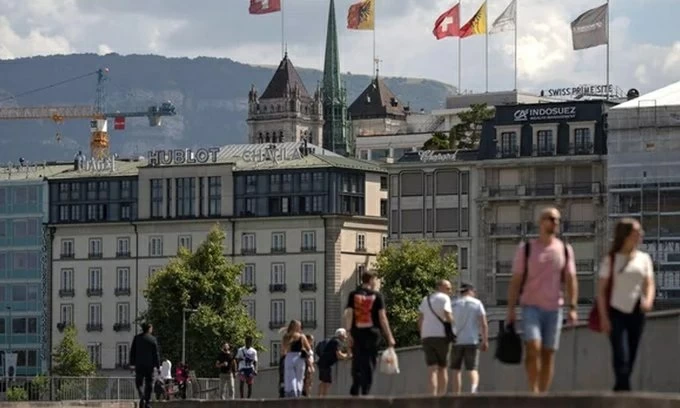
رفض الناخبون السويسريون، اليوم (الأحد)، المبادرة الشعبية المثيرة للجدل بعنوان «لا لسويسرا بعشرة ملايين نسمة»، التي كانت تهدف إلى وضع سقف دستوري لعدد السكان الدائمين عند 10 ملايين نسمة بحلول عام 2050.
وأظهر الفرز الأولي لـ68.3% من الأصوات رفض المبادرة بنسبة 54.7% مقابل تأييد 45.3%، بهامش خطأ يبلغ 0.8%، وفقاً للنتائج الأولية الصادرة عن السلطات الفيدرالية. ويُتوقع أن يؤكد الفرز النهائي هذا الرفض.
طرحت المبادرة من قبل حزب الشعب السويسري، أكبر حزب يميني في البلاد، وسط مخاوف من الضغط السكاني على الإسكان والنقل والخدمات العامة والبيئة، ويبلغ عدد سكان سويسرا حالياً نحو 9.1 مليون نسمة (نهاية 2025)، بعد نمو بنسبة 10% خلال العشر سنوات الماضية، معظمها ناتج عن الهجرة.
وكان من شأن نجاح المبادرة أن يفرض على الحكومة اتخاذ إجراءات صارمة للحد من الهجرة، بما في ذلك تقييد لم شمل العائلات وتصاريح الإقامة واللجوء، وقد يصل الأمر إلى الانسحاب من اتفاقية حرية التنقل مع الاتحاد الأوروبي إذا تجاوز عدد السكان الحد المقترح.
وحذرت الحكومة السويسرية والأحزاب الرئيسية الأخرى، إضافة إلى الجمعيات الاقتصادية والنقابات، من أن المبادرة ستؤدي إلى «فوضى اقتصادية»، خصوصاً في قطاعات تعتمد بشكل كبير على العمالة الأجنبية الماهرة مثل الصناعات الدوائية (نوفارتيس وروش)، المال، والتكنولوجيا. كما أنها ستعرض العلاقات الاقتصادية الحيوية مع الاتحاد الأوروبي للخطر.
ويُعد النظام السويسري للديمقراطية المباشرة من أبرز سمات البلاد، إذ يحق للمواطنين طرح مبادرات شعبية بعد جمع 100 ألف توقيع على الأقل. ومع ذلك، غالباً ما يرفض الناخبون المبادرات المتطرفة التي قد تهدد الاستقرار الاقتصادي.
ويأتي الرفض وسط نقاش أوروبي أوسع حول الهجرة والسكان، إذ تواجه العديد من الدول ضغوطاً مشابهة بسبب الشيخوخة السكانية ونقص اليد العاملة. وأكدت النتيجة استمرار سياسة سويسرا البراغماتية في التوفيق بين السيطرة على الهجرة والحفاظ على نموها الاقتصادي.
Swiss voters rejected today (Sunday) the controversial popular initiative titled "No to Switzerland with Ten Million Inhabitants," which aimed to set a constitutional cap on the number of permanent residents at 10 million by 2050.
The initial count of 68.3% of the votes showed a rejection of the initiative by 54.7% compared to 45.3% in favor, with a margin of error of 0.8%, according to preliminary results released by federal authorities. The final count is expected to confirm this rejection.
The initiative was proposed by the Swiss People's Party, the largest right-wing party in the country, amid concerns about population pressure on housing, transportation, public services, and the environment. Switzerland's current population stands at about 9.1 million (by the end of 2025), having grown by 10% over the past ten years, mostly due to immigration.
If the initiative had succeeded, it would have forced the government to take strict measures to limit immigration, including restrictions on family reunification, residence permits, and asylum, potentially leading to a withdrawal from the freedom of movement agreement with the European Union if the population exceeded the proposed limit.
The Swiss government and other major parties, along with economic associations and trade unions, warned that the initiative would lead to "economic chaos," particularly in sectors that heavily rely on skilled foreign labor, such as the pharmaceutical industries (Novartis and Roche), finance, and technology. It would also jeopardize vital economic relations with the European Union.
The Swiss system of direct democracy is one of the country's most prominent features, allowing citizens to propose popular initiatives after collecting at least 100,000 signatures. However, voters often reject extreme initiatives that may threaten economic stability.
This rejection comes amid a broader European debate on immigration and population, as many countries face similar pressures due to aging populations and labor shortages. The outcome reaffirmed Switzerland's pragmatic policy of balancing immigration control with maintaining its economic growth.