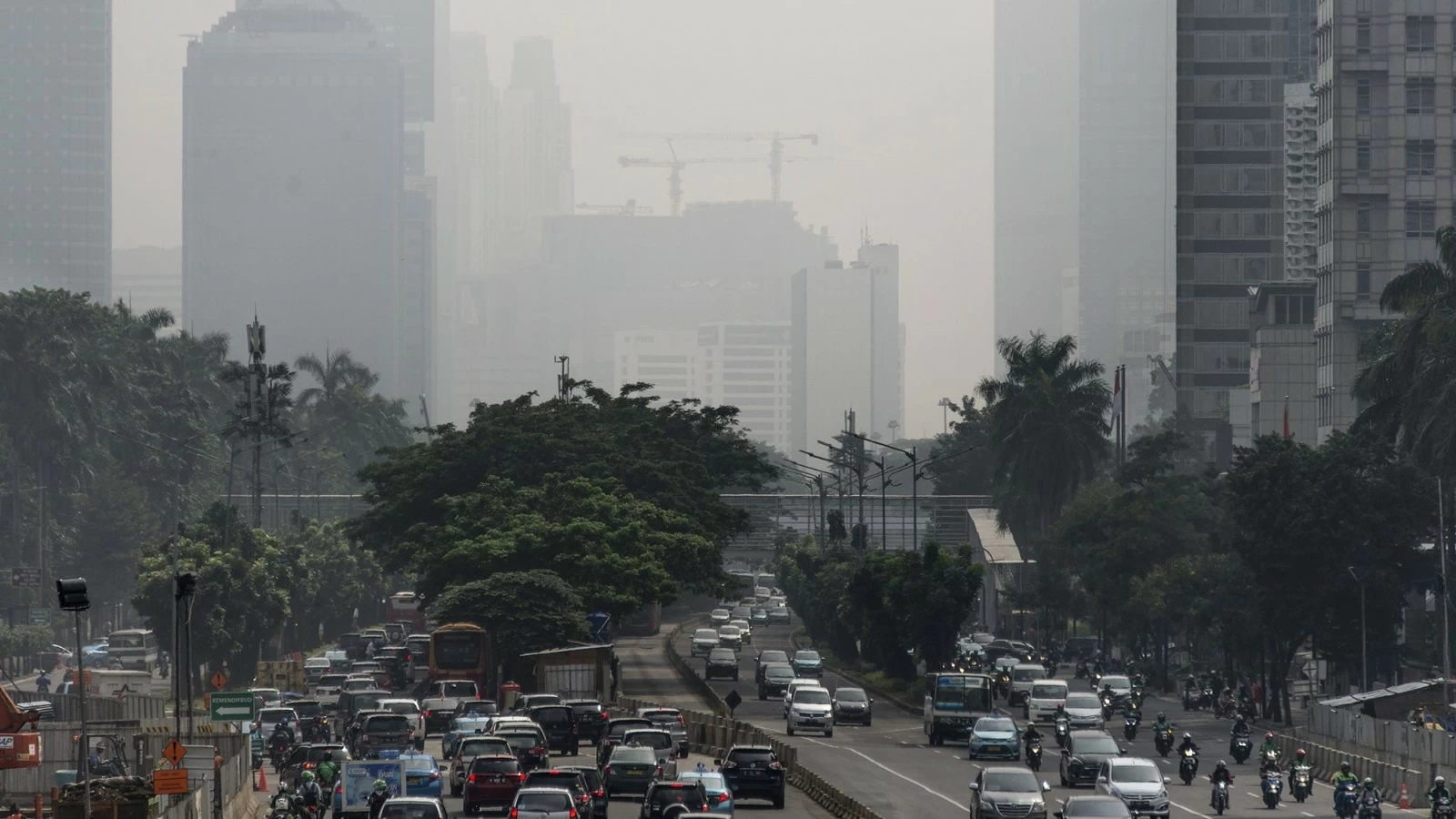
تسببت حرائق الغابات المشتعلة في مناطق كاليمانتان وبابوا وسومطرة بإندونيسيا في أزمة بيئية وصحية امتدت آثارها إلى عدد من دول جنوب شرق آسيا، بعدما حملت الرياح سحب الدخان والضباب السام إلى سنغافورة وماليزيا، ما أدى إلى تدهور جودة الهواء وتصاعد المخاوف من انتشار أمراض الجهاز التنفسي والإصابة بالصداع بين السكان، فضلًا عن تنامي التوترات السياسية والدبلوماسية بين الدول المتضررة وجارتها الإندونيسية.
ولم تعد تداعيات الحرائق تقتصر على الأضرار البيئية والصحية، بل تحولت إلى تحدٍ سياسي أمام حكومات المنطقة، التي تجد نفسها بين ضغوط المواطنين الغاضبين والمطالبات باتخاذ إجراءات حاسمة، وبين ضرورة تجنب تدهور العلاقات الدبلوماسية مع إندونيسيا.
ونقلت هيئة الإذاعة البريطانية «بي بي سي» عن يوجين تان، الأستاذ المشارك في القانون بجامعة سنغافورة للإدارة، قوله إن المواطنين باتوا يشعرون بالغضب والقلق والإحباط، محذرًا من أن تجاهل الحكومات لهذه المطالب قد يحول الأزمة من مشكلة خارجية إلى قضية داخلية قابلة للاستغلال السياسي.
وتُعد حرائق الغابات في إندونيسيا ظاهرة متكررة سنويًا، وترتبط على نطاق واسع بعمليات إزالة الغطاء النباتي لأغراض تجارية وصناعية، تمهيدًا لاستخدام الأراضي في زراعة محاصيل تجارية، أبرزها نخيل الزيت.
لكن حرائق العام الحالي كانت أكثر صعوبة في السيطرة عليها، نتيجة اشتداد ظاهرة النينيو المناخية، التي أسهمت في تفاقم الجفاف داخل الغابات والأراضي الخثية الإندونيسية، ما ساعد على انتشار النيران واستمرار انبعاث الدخان لفترات أطول.
وعلى خلاف موجات الضباب السابقة، التي كانت تستمر عادة عدة أيام في سنغافورة وماليزيا، امتدت الأزمة الحالية لأسابيع، الأمر الذي ضاعف الضغوط الشعبية على الحكومات، ودفع إلى المطالبة بمحاسبة الشركات المتورطة في إشعال الحرائق.
مقاطعة المنتجات الإندونيسية
وفي ماليزيا، تصاعدت ردود الفعل الشعبية ضد إندونيسيا، إذ أطلق مواطنون حملة لمقاطعة المنتجات الإندونيسية احتجاجًا على تداعيات الضباب السام.
وجاءت هذه التحركات عقب دعوة النائب الماليزي سيد صادق إلى فرض عقوبات على الشركات المرتبطة بحرائق الغابات، مطالبًا الماليزيين بالتعامل معها باعتبارها جهات منبوذة في المنطقة.
أما في سنغافورة، فقد أثارت الأزمة انتقادات داخلية للحكومة، وسط تساؤلات بشأن مدى استعداد السلطات للتعامل مع الظاهرة، خصوصًا أن مخاطر اشتداد ظاهرة النينيو كانت معروفة مسبقًا، فضلًا عن صدور تحذيرات مبكرة بشأن الظروف المناخية المتوقعة.
وأشار تان إلى وجود انطباع لدى بعض السنغافوريين بأن الحكومة لم تتعامل مع الأزمة بالسرعة والكفاءة المطلوبتين، مؤكدًا أن المواطنين ينتظرون اتخاذ إجراءات حاسمة ضد الشركات والجهات المسؤولة عن التلوث.
سنغافورة تتحرك لاحتواء الأزمة
من جانبها، أكدت الحكومة السنغافورية أن أزمة الضباب تمثل أولوية، واتخذت مجموعة من التدابير للحد من آثارها الصحية، شملت إنشاء مئات الملاجئ المخصصة للتعامل مع الضباب في أنحاء الجزيرة، إلى جانب توزيع الكمامات على الأطفال وكبار السن والفئات الأكثر عرضة للمخاطر الصحية.
كما أعلنت السلطات اعتزامها تعزيز التشريعات المعمول بها لمواجهة ظاهرة الضباب العابر للحدود، وفتح تحقيقات مع 10 شركات مسجلة في سنغافورة، للاشتباه في وجود صلات بينها وبين الحرائق المشتعلة في إندونيسيا.
وفي إطار التحركات الدبلوماسية، التقى وزير الخارجية السنغافوري فيفيان بالاكريشنان الرئيس الإندونيسي برابوو سوبيانتو في العاصمة جاكرتا الأسبوع الماضي، في اجتماع وصفه الوزير السنغافوري بأنه اتسم بالصراحة والجدية، وأسفر عن مناقشات بناءة بشأن سبل التعامل مع الأزمة.
وأعلنت الدولتان، بالتزامن مع اللقاء، الاتفاق على تشكيل فريق عمل مشترك لمعالجة مشكلة الضباب، في خطوة بدت محاولة لاحتواء التوترات الثنائية التي تصاعدت خلال الأسابيع الماضية.
تصريحات تثير انتقادات سنغافورية
وفي المقابل، واجهت الحكومة الإندونيسية انتقادات بسبب بعض التصريحات الصادرة عن مسؤولين بشأن الحرائق، إذ أثار أحد كبار المسؤولين جدلًا بعدما اعتبر أن حرائق الغابات أصبحت خارج نطاق السيطرة البشرية، مشيرًا إلى أن الأكسجين الذي تتنفسه سنغافورة وماليزيا يأتي أيضًا من الغابات الإندونيسية.
ووصف الوزير السنغافوري الأقدم كيه شانموغام هذه التصريحات بأنها مخيبة للآمال وغير مقبولة، في انتقاد علني نادر من سنغافورة، التي تحرص عادة على إدارة علاقاتها الإقليمية بحذر دبلوماسي.
وقال شانموغام إن الضباب يؤثر بصورة خطيرة على صحة المواطنين، معتبرًا أن استمرار الأزمة أمر غير مقبول، ومؤكدًا ضرورة عدم السماح للخلافات الثنائية بعرقلة التعاون لمواجهتها.
وأضاف أن المواطنين الإندونيسيين يعانون بدورهم من آثار الحرائق، وأن من مصلحة إندونيسيا، مثلما هو الحال بالنسبة لسنغافورة، التعامل مع الشركات المتسببة في هذه المشكلات.
وبعد أيام من هذه التصريحات، أعلنت إندونيسيا اعتزامها خفض صادرات الغاز الطبيعي إلى سنغافورة، مبررة القرار بزيادة احتياجاتها المحلية من الطاقة، وهو ما اعتبره مراقبون ردًا محتملًا على الانتقادات السنغافورية.
ورغم أن إندونيسيا واجهت بالفعل نقصًا في إمدادات الكهرباء ببعض مناطقها، فإن توقيت الإعلان أثار تساؤلات، خصوصًا أنه جاء بعد تحذير وزير الطاقة الإندونيسي من إمكانية وقف تصدير الغاز إلى الدول التي لا تحترم بلاده.
كما أشار الرئيس برابوو، في اليوم نفسه، إلى ما وصفه بالدول التي تحب إهانة إندونيسيا، وذلك خلال حديثه عن أزمة حرائق الغابات.
واعتبر الخبير يوجين تان أن الزج بسنغافورة في هذا الخلاف يعكس استمرار حساسية تاريخية في العلاقات بين البلدين، ترتبط بما يُعرف بمعادلة «الأخ الأكبر والأخ الأصغر»، في إشارة إلى التوقعات التي تواجه سنغافورة بشأن مراعاة مكانة جيرانها الأكبر حجمًا.
وفي المقابل، أكدت سنغافورة أن خفض صادرات الغاز لن يكون له تأثير كبير على إمداداتها، موضحة أن الكمية المقرر تقليصها تقل عن 2% من إجمالي احتياجاتها اليومية.
ماليزيا تختار التهدئة
وعلى عكس سنغافورة، اتسم الموقف الماليزي بقدر أكبر من الحذر، إذ استبعد وزير الخارجية الماليزي محمد حسن تقديم احتجاج دبلوماسي رسمي إلى إندونيسيا أو اللجوء إلى الإجراءات القانونية، معتبرًا أن مثل هذه الخطوات قد تعني الاستعداد لقطع العلاقات بين البلدين.
وبدلًا من ذلك، وافقت ماليزيا على بحث مذكرة تفاهم مع إندونيسيا لتعزيز جهود الوقاية من حرائق الغابات، مع الاعتماد على الآليات الدبلوماسية الإقليمية، وفي مقدمتها اتفاقية رابطة دول جنوب شرق آسيا «آسيان» لمكافحة الضباب الدخاني العابر للحدود.
ودخلت الاتفاقية حيز التنفيذ عام 2003، بهدف تعزيز التعاون بين الدول الأعضاء لمواجهة ظاهرة الضباب الناتج عن حرائق الغابات، إلا أنها تواجه انتقادات بسبب محدودية أدواتها التنفيذية، وعدم امتلاكها صلاحيات لمعاقبة الشركات الزراعية المتورطة في الحرائق أو إلزام الحكومات باتخاذ إجراءات ضدها.
ووصف جيمس تشين، أستاذ الدراسات الآسيوية بجامعة تسمانيا، الاتفاقية بأنها تفتقر إلى الفاعلية الحقيقية، مشيرًا إلى أن الضغوط السياسية تتراجع بمجرد انقشاع الضباب، لتعود الأوضاع إلى سابق عهدها دون معالجة جذرية لأسباب الأزمة.
وكانت دول آسيان قد وضعت عام 2016 هدفًا يتمثل في القضاء على ظاهرة الضباب في المنطقة بحلول عام 2020، لكن مع تجاوز الموعد دون تحقيق الهدف، جرى تمديد المهلة إلى عام 2030.
وتواجه ماليزيا بدورها تحديًا إضافيًا، يتمثل في كونها من كبار منتجي زيت النخيل، وهو محصول يرتبط في بعض المناطق بممارسات زراعية وتجارية تعتمد على إزالة الغابات والحرق، وهي من العوامل التي يُتهم بعضها بالمساهمة في اندلاع الحرائق الإقليمية.
وسبق أن واجهت ماليزيا موجات تلوث حادة ناجمة عن حرائق محلية، كما شهد عام 2019 تبادلًا للاتهامات بينها وبين إندونيسيا بشأن مصدر الضباب، بعدما اتهمت كوالالمبور حرائق الأراضي الخثية الإندونيسية بالتسبب في الأزمة، بينما ردت جاكرتا بأن الدخان مصدره الأراضي الماليزية.
وفي هذا السياق، يرى إي صن أوه، المستشار الرئيسي في مركز أبحاث المحيط الهادئ ب
The wildfires raging in the regions of Kalimantan, Papua, and Sumatra in Indonesia have caused an environmental and health crisis whose effects have extended to several Southeast Asian countries, as the winds carried clouds of smoke and toxic haze to Singapore and Malaysia, leading to a deterioration in air quality and rising concerns about the spread of respiratory diseases and headaches among the population, in addition to increasing political and diplomatic tensions between the affected countries and their Indonesian neighbor.
The repercussions of the fires are no longer limited to environmental and health damages; they have turned into a political challenge for the governments of the region, which find themselves caught between the pressures of angry citizens demanding decisive action and the necessity of avoiding a deterioration in diplomatic relations with Indonesia.
The BBC reported that Eugene Tan, an associate professor of law at the Singapore Management University, stated that citizens are feeling anger, anxiety, and frustration, warning that the governments' neglect of these demands could turn the crisis from an external problem into an internal issue that could be politically exploited.
Forest fires in Indonesia are a recurring phenomenon annually, widely linked to deforestation for commercial and industrial purposes, paving the way for land use in the cultivation of cash crops, most notably palm oil.
However, this year's fires have been more difficult to control due to the intensification of the El Niño climate phenomenon, which has contributed to worsening drought conditions in Indonesia's forests and peatlands, facilitating the spread of flames and prolonging the emission of smoke.
Unlike previous haze episodes, which typically lasted several days in Singapore and Malaysia, the current crisis has extended for weeks, amplifying public pressure on governments and prompting calls for accountability for the companies involved in igniting the fires.
Boycott of Indonesian Products
In Malaysia, public reactions against Indonesia have escalated, as citizens launched a campaign to boycott Indonesian products in protest against the effects of the toxic haze.
This movement followed a call from Malaysian MP Syed Saddiq to impose sanctions on companies linked to the forest fires, urging Malaysians to treat them as pariahs in the region.
In Singapore, the crisis has sparked internal criticism of the government, amid questions about the authorities' preparedness to deal with the phenomenon, especially since the risks of intensified El Niño were known in advance, along with early warnings about the expected climatic conditions.
Tan noted that there is an impression among some Singaporeans that the government has not addressed the crisis with the required speed and efficiency, emphasizing that citizens are waiting for decisive action against the companies and entities responsible for the pollution.
Singapore Moves to Contain the Crisis
For its part, the Singaporean government confirmed that the haze crisis is a priority and has taken a series of measures to mitigate its health impacts, including the establishment of hundreds of shelters designated to deal with the haze across the island, along with distributing masks to children, the elderly, and those most vulnerable to health risks.
The authorities also announced their intention to strengthen existing legislation to address the issue of transboundary haze and to open investigations with 10 companies registered in Singapore, suspected of having links to the fires raging in Indonesia.
In the context of diplomatic efforts, Singapore's Foreign Minister Vivian Balakrishnan met with Indonesian President Joko Widodo in the capital Jakarta last week, in a meeting described by the Singaporean minister as candid and serious, resulting in constructive discussions on ways to address the crisis.
Both countries announced, concurrently with the meeting, an agreement to form a joint task force to address the haze problem, in a move that seemed an attempt to contain the bilateral tensions that have escalated in recent weeks.
Statements Spark Singaporean Criticism
Conversely, the Indonesian government faced criticism due to some statements made by officials regarding the fires, as one senior official sparked controversy by suggesting that the forest fires had become beyond human control, noting that the oxygen breathed by Singapore and Malaysia also comes from Indonesian forests.
The senior Singaporean minister K. Shanmugam described these statements as disappointing and unacceptable, in a rare public criticism from Singapore, which usually seeks to manage its regional relations with diplomatic caution.
Shanmugam stated that the haze seriously affects the health of citizens, considering the continuation of the crisis unacceptable, and emphasizing the necessity of not allowing bilateral disputes to hinder cooperation to address it.
He added that Indonesian citizens are also suffering from the effects of the fires, and that it is in Indonesia's interest, just as it is for Singapore, to deal with the companies responsible for these problems.
Days after these statements, Indonesia announced its intention to reduce natural gas exports to Singapore, justifying the decision by an increase in its domestic energy needs, which observers considered a potential response to the Singaporean criticisms.
Although Indonesia has indeed faced a shortage of electricity supplies in some of its regions, the timing of the announcement raised questions, especially since it came after the Indonesian energy minister warned of the possibility of halting gas exports to countries that do not respect his country.
President Joko also referred, on the same day, to what he described as countries that like to insult Indonesia, during his remarks about the forest fire crisis.
Expert Eugene Tan considered that dragging Singapore into this dispute reflects a historical sensitivity in the relations between the two countries, linked to what is known as the "big brother and little brother" equation, referring to the expectations facing Singapore regarding the consideration of its larger neighbors' status.
In contrast, Singapore confirmed that the reduction in gas exports would not have a significant impact on its supplies, explaining that the amount to be reduced is less than 2% of its total daily needs.
Malaysia Chooses De-escalation
Unlike Singapore, Malaysia's stance has been characterized by greater caution, as Malaysian Foreign Minister Saifuddin Abdullah ruled out the possibility of issuing an official diplomatic protest to Indonesia or resorting to legal measures, considering that such steps could imply readiness to sever relations between the two countries.
Instead, Malaysia agreed to explore a memorandum of understanding with Indonesia to enhance efforts to prevent forest fires, relying on regional diplomatic mechanisms, foremost among them the ASEAN agreement to combat transboundary haze.
The agreement came into force in 2003, aiming to enhance cooperation among member states to address the haze phenomenon resulting from forest fires, but it has faced criticism due to the limited effectiveness of its tools and its lack of authority to penalize agricultural companies involved in the fires or to compel governments to take action against them.
James Chin, an Asian studies professor at the University of Tasmania, described the agreement as lacking real effectiveness, noting that political pressures diminish once the haze clears, returning conditions to normal without addressing the root causes of the crisis.
ASEAN countries had set a goal in 2016 to eliminate the haze phenomenon in the region by 2020, but with the deadline passing without achieving the goal, the timeframe was extended to 2030.
Malaysia also faces an additional challenge, as it is one of the largest producers of palm oil, a crop that in some areas is associated with agricultural and commercial practices that rely on deforestation and burning, which are among the factors accused of contributing to the outbreak of regional fires.
Malaysia has previously faced severe pollution waves caused by local fires, and in 2019 there was an exchange of accusations between it and Indonesia regarding the source of the haze, after Kuala Lumpur accused Indonesian peatland fires of causing the crisis, while Jakarta responded that the smoke originated from Malaysian lands.
In this context, E. Sun Oh, a senior advisor at the Pacific Research Center, sees...