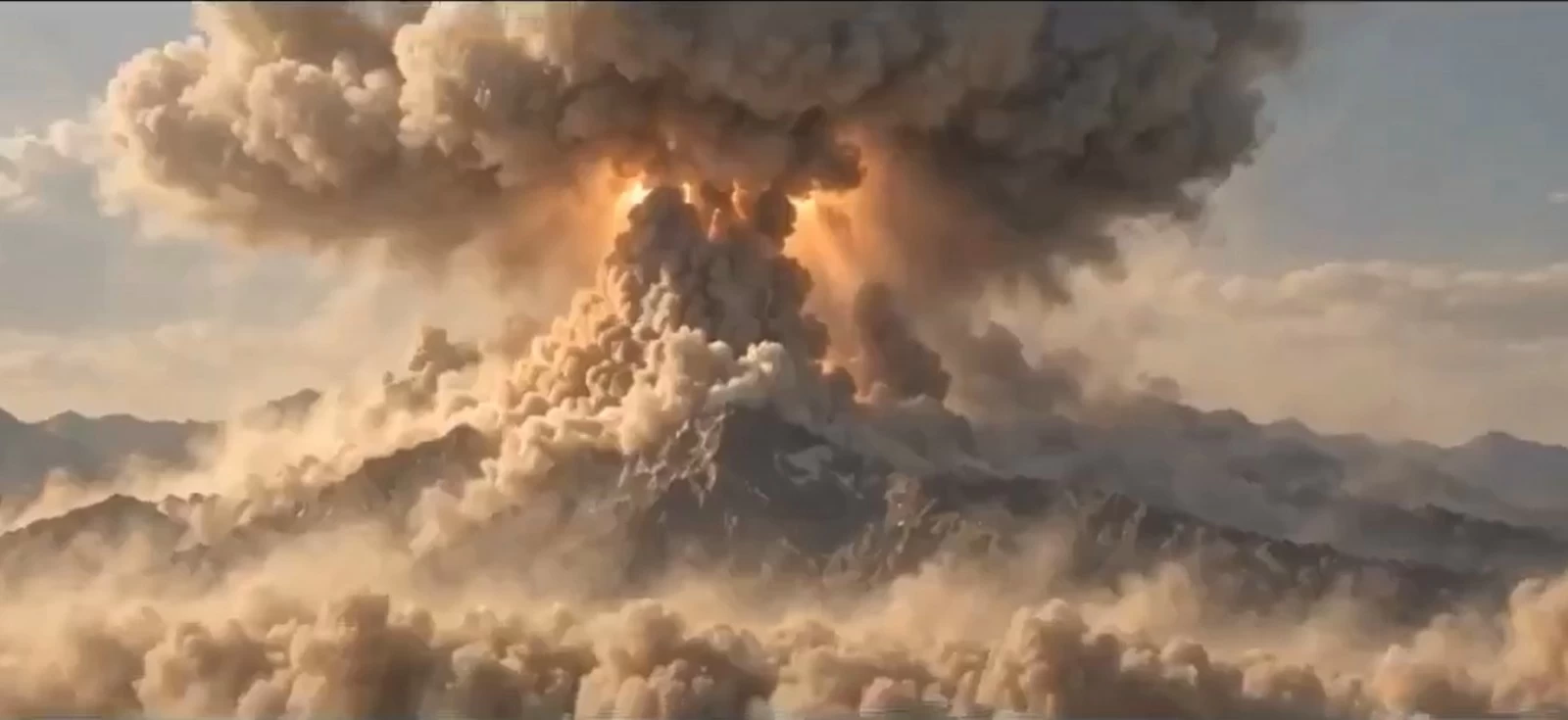
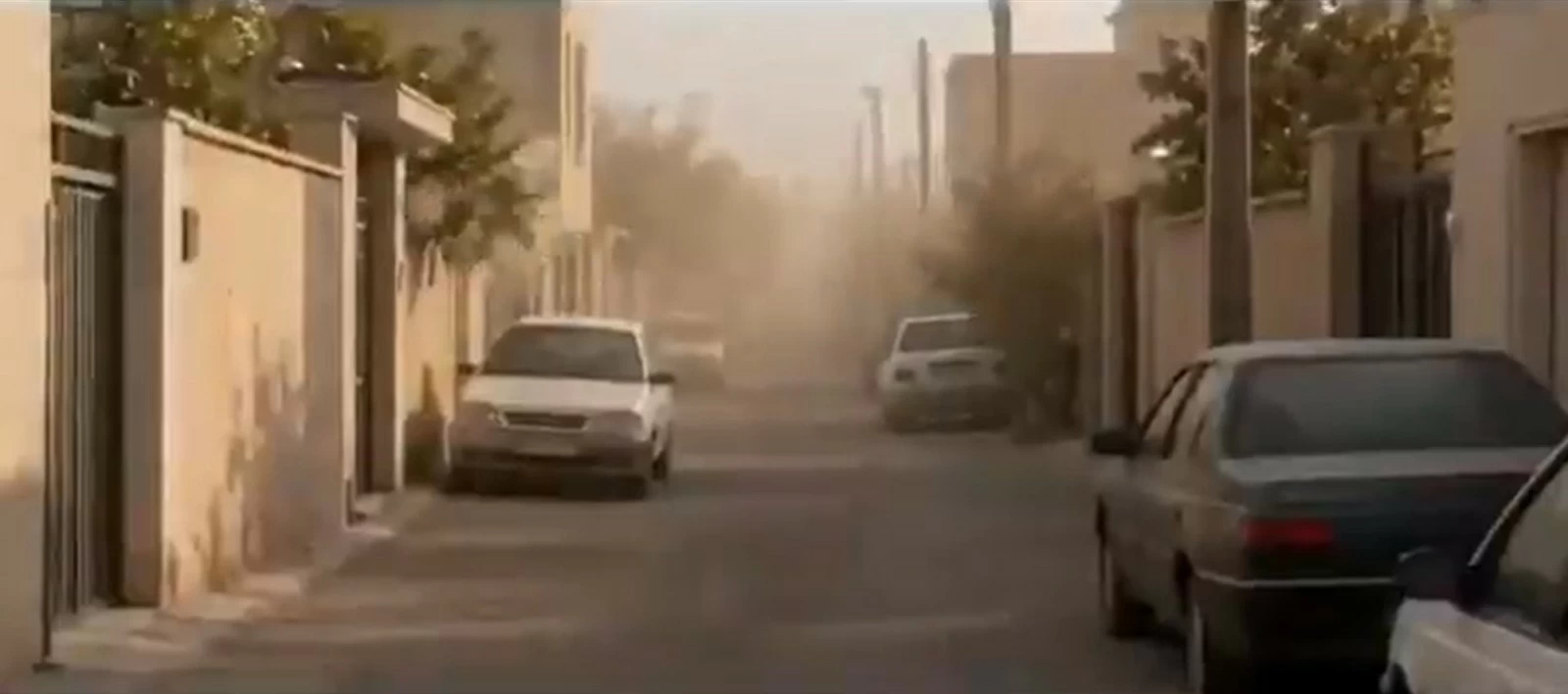
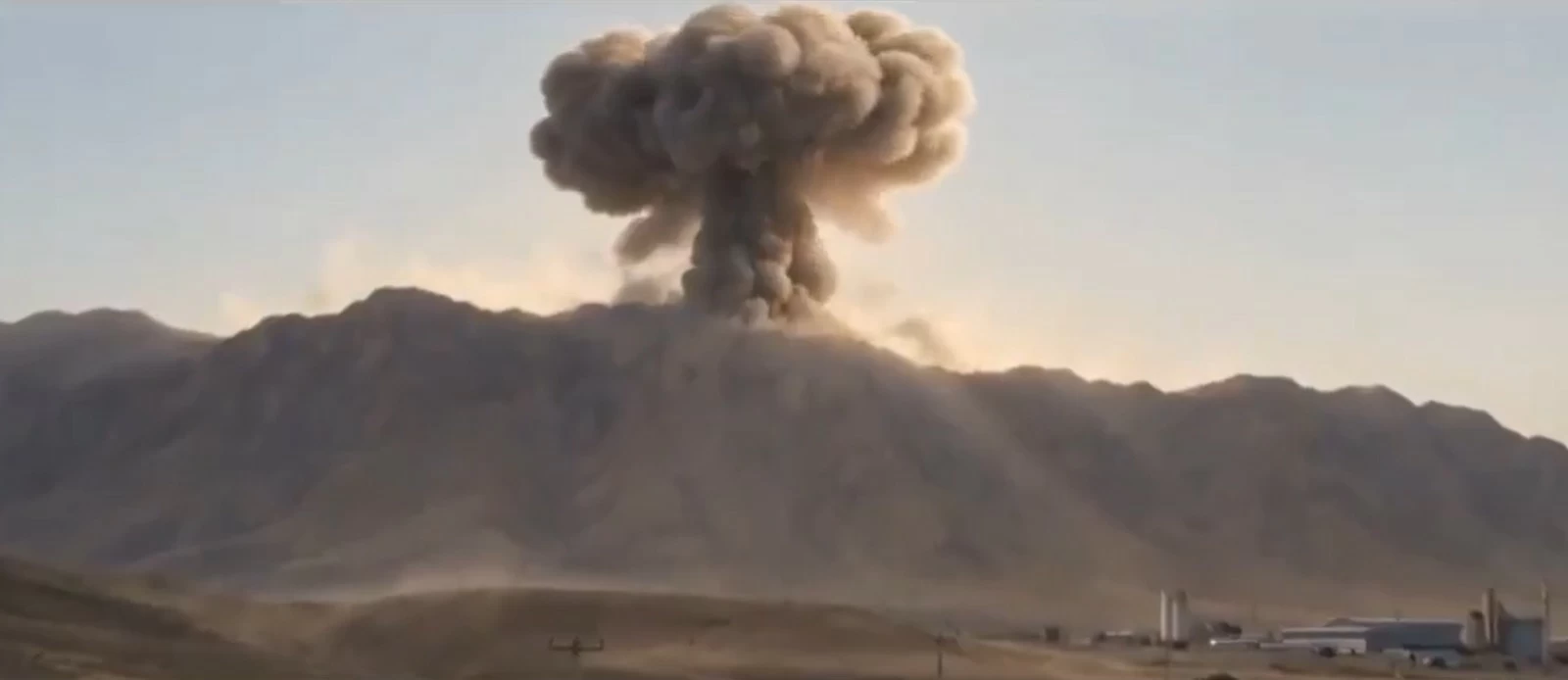
نشر التلفزيون الإيراني الرسمي ووسائل إعلام إيرانية مقطعًا توعويًا يتضمن إرشادات للمواطنين بشأن كيفية التصرف في حال وقوع انفجار نووي، في خطوة أعادت تسليط الضوء على المخاوف من تداعيات التصعيد العسكري، وسط تحسبات في طهران لاحتمال استخدام الولايات المتحدة السلاح النووي ضدها.
وتضمنت التعليمات تحذيرًا من النظر مباشرة إلى الوميض الضوئي الشديد الناتج عن الانفجار، ودعوة الموجودين في الأماكن المفتوحة إلى الاحتماء خلف ساتر والاستلقاء على الأرض مع تغطية الرأس والوجه، إذا تعذر عليهم دخول مبنى على الفور.
وشدد المقطع على ضرورة التوجه إلى أقرب مبنى بعد مرور موجة الانفجار، وعدم البقاء في الخارج لمشاهدة ما حدث أو تصويره، مع التحذير من استخدام السيارات ملاذًا للاحتماء.
أما الموجودون داخل المباني، فدعتهم الإرشادات إلى الانتقال إلى الأقبية أو المناطق الداخلية والوسطى، بعيدًا عن النوافذ والجدران الخارجية، وإغلاق الأبواب والنوافذ، وإيقاف أجهزة التكييف وأنظمة التهوية التي تسحب الهواء من الخارج.
وفي ما يتعلق باحتمالات التعرض للغبار أو المواد المشعة، أوصى المقطع بخلع الملابس الخارجية بحذر دون نفضها، ووضعها في كيس محكم الإغلاق، ثم الاغتسال بالماء والصابون، واستخدام المياه المعبأة والأطعمة المغلفة.
كما تضمنت التعليمات الاستعداد للبقاء داخل الملجأ لمدة 24 ساعة على الأقل، وعدم افتراض أن المكان أصبح آمنًا بمجرد انقضاء هذه المدة، مع ضرورة انتظار الإعلانات الرسمية بشأن توقيت الخروج الآمن، والانتقال إلى مكان آخر إذا تعرض المبنى لحريق أو أصبح مهددًا بالانهيار.
وتأتي هذه الإرشادات في وقت تتزايد فيه المخاوف من اتساع نطاق المواجهة العسكرية في المنطقة، وما قد يترتب عليها من مخاطر على المدنيين، لا سيما في ظل تداول سيناريوهات تتعلق باستهداف منشآت حيوية واحتمالات التصعيد بين إيران وخصومها.
ولا تعني هذه الرسائل التوعوية، في حد ذاتها، أن ضربة نووية باتت وشيكة أو أن السلطات الإيرانية أعلنت تلقيها تهديدًا محددًا بهذا الشأن؛ إذ لم تتضمن المعلومات المنشورة بشأن المقطع إعلانًا رسميًا عن وجود تهديد نووي وشيك أو تحديد موعد له.
وتتوافق بعض الإرشادات الواردة في المقطع، مثل الاحتماء داخل المباني، وإغلاق منافذ دخول الهواء الخارجي، واستخدام المياه والأغذية المحفوظة، مع توصيات منشورة لجهات صحية وحكومية دولية بشأن التصرف في حالات الطوارئ الإشعاعية والانفجارات النووية.
The official Iranian television and Iranian media have released an awareness video containing guidelines for citizens on how to act in the event of a nuclear explosion, in a move that has once again highlighted concerns about the implications of military escalation, amid apprehensions in Tehran regarding the possibility of the United States using nuclear weapons against it.
The instructions included a warning against looking directly at the intense flash of light resulting from the explosion, and urged those in open areas to take shelter behind a barrier and lie on the ground while covering their head and face, if they cannot enter a building immediately.
The video emphasized the necessity of heading to the nearest building after the shockwave has passed, and not remaining outside to watch or film what happened, with a warning against using cars as a refuge.
For those inside buildings, the guidelines advised them to move to basements or interior and central areas, away from windows and exterior walls, and to close doors and windows, as well as to turn off air conditioning and ventilation systems that draw air from outside.
Regarding the possibility of exposure to dust or radioactive materials, the video recommended carefully removing outer clothing without shaking it off, placing it in a sealed bag, then washing with soap and water, and using bottled water and packaged food.
The instructions also included preparing to stay inside the shelter for at least 24 hours, and not assuming that the place has become safe once this period has elapsed, with the necessity of waiting for official announcements regarding the timing of a safe exit, and moving to another location if the building catches fire or is at risk of collapse.
These guidelines come at a time when fears are increasing about the widening scope of military confrontation in the region, and the potential risks to civilians, especially in light of circulating scenarios regarding targeting vital facilities and the possibilities of escalation between Iran and its adversaries.
These awareness messages do not, in themselves, indicate that a nuclear strike is imminent or that Iranian authorities have announced receiving a specific threat in this regard; the published information regarding the video did not include an official announcement of an imminent nuclear threat or specify a timeline for it.
Some of the guidelines mentioned in the video, such as taking shelter inside buildings, closing air intake points, and using preserved water and food, align with recommendations published by international health and governmental organizations regarding actions to take in radiation emergencies and nuclear explosions.