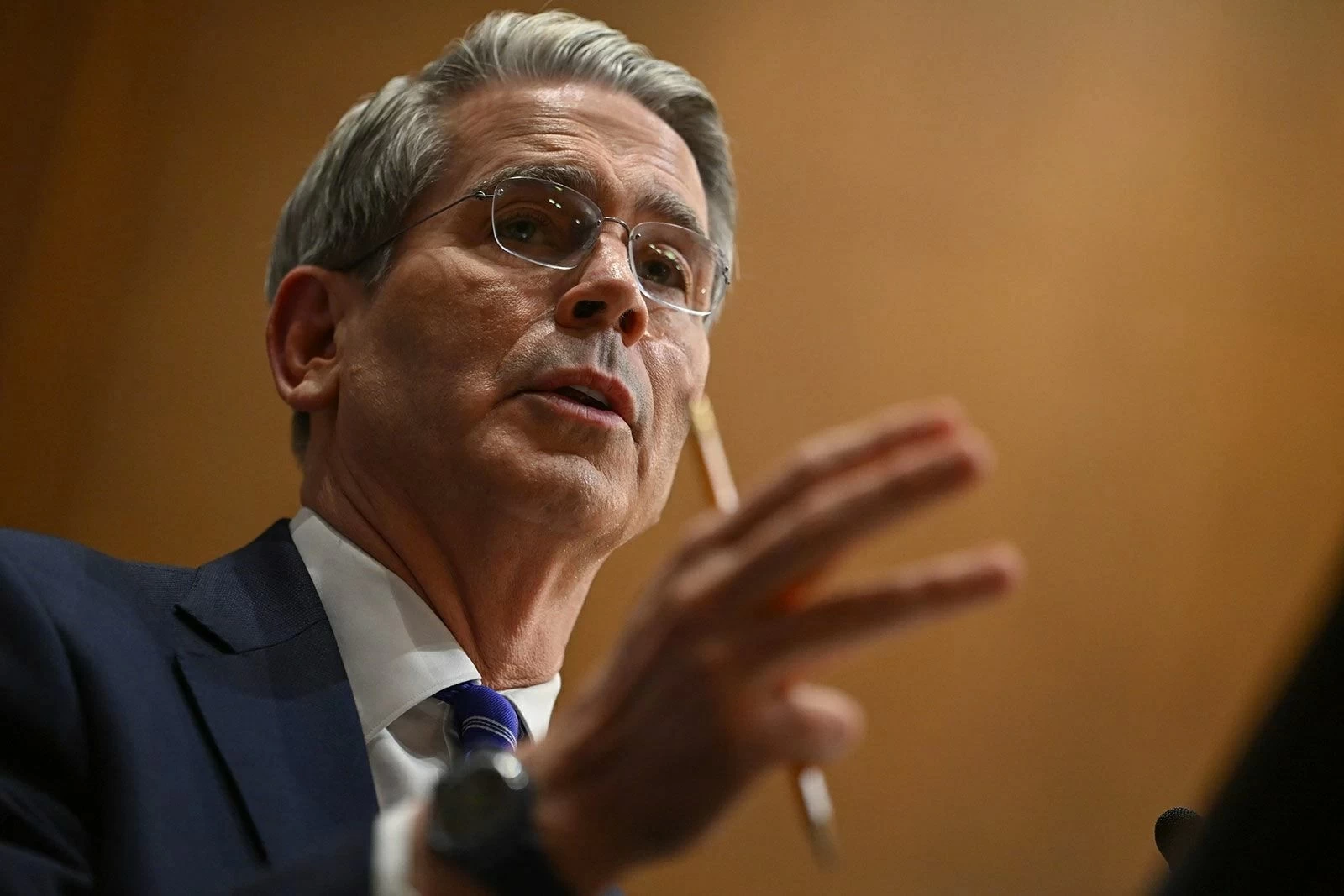
أعلن وزير الخزانة الأمريكي سكوت بيسنت اليوم أن الشعب الإيراني يكافح لتوفير حاجاته الأساسية، فيما يواصل النظام الإيراني تبديد مبالغ ضخمة في الخارج، حسب تعبيره. وقال بيسنت، في منشور عبر منصة «إكس»: «النظام الإيراني بدلاً من ضخ مليارات الدولارات إلى وكلائه الإرهابيين، ينبغي أن ينفق هذه الأموال على شعبه».
تصعيد الضغوط
وتأتي تصريحات بيسنت في ظل تصعيد واشنطن ضغوطها الاقتصادية على طهران، بما في ذلك توسيع العقوبات على شبكات مرتبطة بإيران وتشديد الإجراءات الرامية إلى عزل اقتصادها عن النظام المالي العالمي.
في حين ملأت طوابير من السيارات محطات الوقود في إيران خلال الأيام الماضية، بعدما أعلنت الحكومة خطة تقنين خفضت بموجبها الحصص المعمول بها منذ سنوات. وقال نائب الرئيس الإيراني للشؤون التنفيذية محمد جعفر قائم بناه: «إن الحصار البحري الأمريكي على الموانئ الإيرانية بدأ يحول دون قدرة البلاد على استيراد الوقود، في وقت لا يكفي الإنتاج المحلي لتلبية الحاجات». وأضاف أن الحصار البحري على موانئ بلاده يمنع استيراد الوقود. وقال: «إنتاج البنزين غير كافٍ، وبسبب الحصار البحري الأمريكي لا يمكننا استيراده».
ارتفاع الأسعار
ويواجه الإيرانيون ضغوطاً معيشية متزايدة في ظل ارتفاع حاد في أسعار المواد الغذائية وتراجع القدرة الشرائية للعملة المحلية، بالتزامن مع العقوبات الاقتصادية. وأظهرت تقارير حديثة أن ارتفاع الأسعار جعل عدداً من السلع الأساسية، بينها الأرز وزيت الطهي، أكثر صعوبة على الأسر الإيرانية، فيما اضطرت عائلات إلى تقليص إنفاقها على الحاجات غير الأساسية والبحث عن مصادر دخل إضافية، وفق «وول ستريت جورنال». وتشير بيانات البنك الدولي إلى أن التضخم الاستهلاكي في إيران بلغ 42.2% في 2025، بينما يحذر البنك من أن ارتفاع أسعار الغذاء ونقص الواردات والصدمات المرتبطة بالصراع قد يؤدي إلى زيادة معدلات الفقر.
U.S. Treasury Secretary Scott Pisent announced today that the Iranian people are struggling to meet their basic needs, while the Iranian regime continues to squander huge amounts of money abroad, as he put it. Pisent said in a post on the platform "X": "Instead of pumping billions of dollars to its terrorist proxies, the Iranian regime should spend this money on its people."
Escalation of Pressure
Pisent's statements come amid Washington's escalation of economic pressure on Tehran, including expanding sanctions on networks linked to Iran and tightening measures aimed at isolating its economy from the global financial system.
As queues of cars filled gas stations in Iran over the past few days, after the government announced a rationing plan that reduced the quotas that had been in place for years. Iranian Vice President for Executive Affairs Mohammad Jafar Qaimi Bana said: "The U.S. maritime blockade on Iranian ports has begun to hinder the country's ability to import fuel, at a time when local production is insufficient to meet needs." He added that the maritime blockade on his country's ports prevents fuel imports. He stated: "Gasoline production is insufficient, and due to the U.S. maritime blockade, we cannot import it."
Rising Prices
Iranians are facing increasing living pressures amid a sharp rise in food prices and a decline in the purchasing power of the local currency, coinciding with economic sanctions. Recent reports have shown that rising prices have made a number of essential goods, including rice and cooking oil, more difficult for Iranian families to obtain, while families have been forced to cut spending on non-essential needs and seek additional sources of income, according to the "Wall Street Journal." World Bank data indicates that consumer inflation in Iran reached 42.2% in 2025, while the bank warns that rising food prices, import shortages, and conflict-related shocks could lead to increased poverty rates.