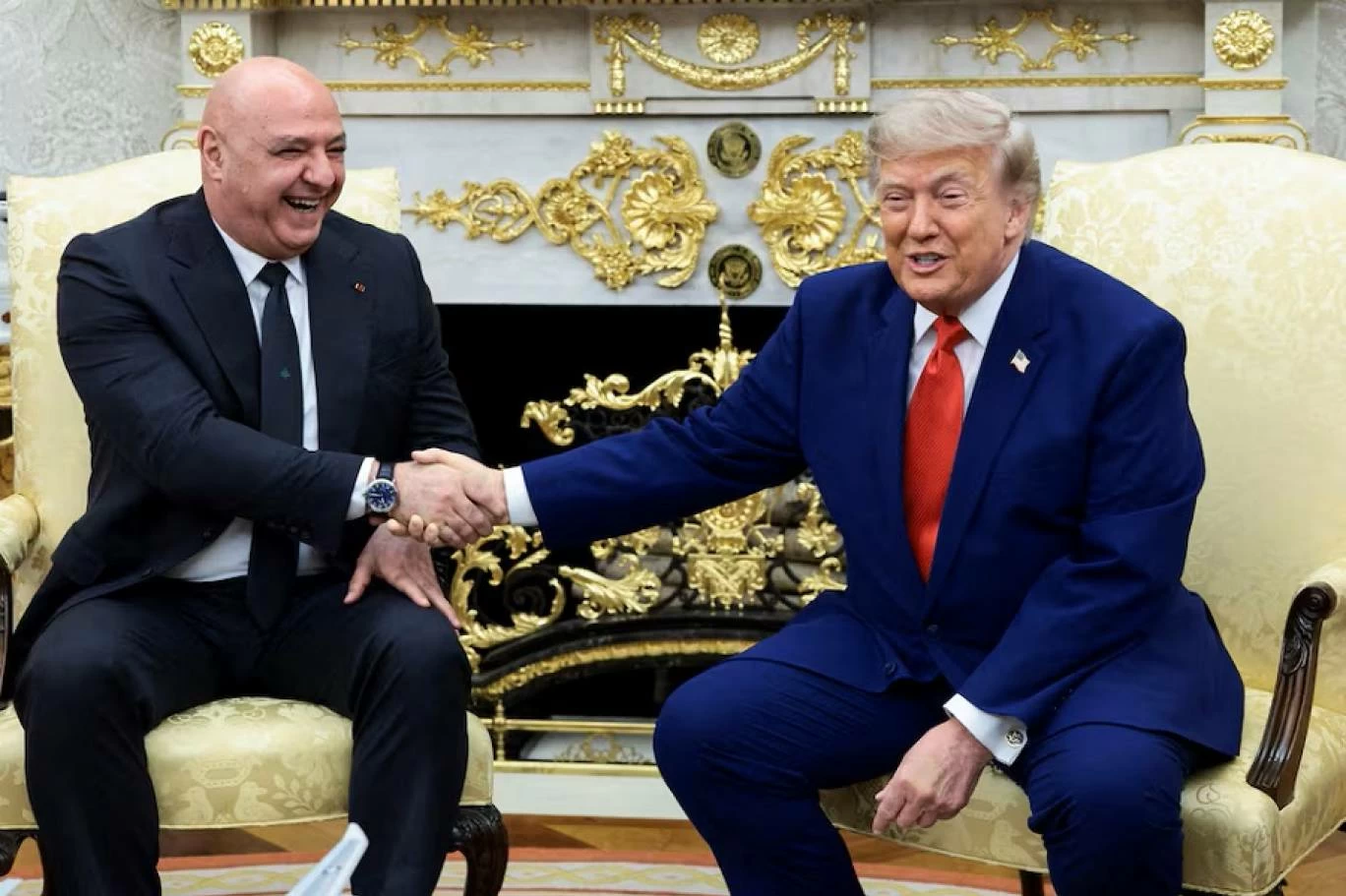
17 عاماً لم يدخل خلالها رئيس لبناني المكتب البيضاوي. فمنذ آخر زيارة رئاسية عام 2009، لم يغب لبنان عن واشنطن، لكنه غاب عن مستوى القرار.
بقي ملفاً أمنياً تتولاه الخارجية والبنتاغون وأجهزة الاستخبارات، فيما كانت الأولويات الأمريكية تُصاغ في أماكن أخرى.
مشروع إقليمي أوسع
لذلك، فإن السؤال الذي تفرضه قمة دونالد ترمب -جوزيف عون، ليس ماذا دار في المكتب البيضاوي، بل لماذا قرر البيت الأبيض في هذا التوقيت تحديداً إعادة لبنان إلى واجهة اهتمام؟
الجواب لا يبدأ من بيروت، بل من الشرق الأوسط. فالإدارة الأمريكية تعيد تركيب الإقليم على أسس مختلفة، بعدما اقتنعت بأن خرائط النفوذ التي حكمت العقدين الماضيين استنفدت وظيفتها.
وفي هذه المقاربة، يبدو أن لبنان مرشح للانتقال من موقع الساحة التي تتلقى ارتدادات الصراعات إلى موقع الدولة المعنية مباشرة بإعادة إنتاج بعض توازنات المرحلة القادمة. من هنا، فإن زيارة عون كانت بمثابة حلقة في مشروع إقليمي أوسع، يفسر أيضاً اللقاءات التي سبقتها مع قادة المنطقة، كما يفسر الحضور غير الاعتيادي لنائب الرئيس ووزيري الدفاع والخزانة في جانب من المحادثات.
شريك يحمل التسوية
لهذا السبب أيضاً، بدا ترمب مختلفاً. لم يكن الأمر تبدلاً في الطباع ولا مجاملة لرئيس يزور واشنطن للمرة الأولى. فالإدارة الأمريكية تعرف أن أي مسار جديد في لبنان يحتاج إلى سلطة تمتلك الحد الأدنى من الشرعية الداخلية، وإلى رئيس لا يبدأ عهده بمواجهة مع واشنطن، بل بشراكة معها. لذلك، جاءت الرسائل الإيجابية، من الإشادة بالرئيس عون إلى الكلام عن الجيش اللبناني، وصولاً إلى الثناء غير المتوقع على رئيس مجلس النواب نبيه بري، وكأن الإدارة كانت تحاول أن تقول إنها لا تبحث عن غالب ومغلوب داخل لبنان، بل عن شريك قادر على حمل التسوية.
لكن خلف هذه اللغة الهادئة، كانت هناك رسالة أكثر صرامة. فواشنطن لم تعرض على لبنان صفقة دعم، بل صفقة مسؤوليات. للمرة الأولى، بدا أن المساعدات العسكرية، والاستثمارات، والانفتاح الاقتصادي، وحتى الضغط على إسرائيل لاستكمال انسحابها، وضعت جميعها في سلة واحدة عنوانها: ماذا ستفعل الدولة اللبنانية؟ فالمطلوب ليس إدارة التوازنات الداخلية، بل تغييرها. ومعيار النجاح ليس منع الانهيار بل استعادة الدولة لوظيفتها الأمنية والسيادية.
لبنان واستثمار اللحظة
في المقابل، حاول الرئيس عون تثبيت معادلة لا تقل أهمية. فلا يمكن مطالبة الدولة بتحمل كامل مسؤولياتها فيما لا تزال أجزاء من الجنوب اللبناني تحت الاحتلال، ولا يمكن تكليف الجيش بمهام مصيرية من دون توفير الإمكانات التي تسمح له بتنفيذها. لذلك، لم يكن ملفا الانسحاب الإسرائيلي ودعم المؤسسة العسكرية بندين تفاوضيين، بل الشرطين، إن صح التعبير، اللذين أراد لبنان أن يبني عليهما أي التزام لاحق.
هكذا، تكشف قمة واشنطن حقيقة قد تكون أهم من كل ما قيل فيها: الولايات المتحدة لم تغيّر سياستها تجاه لبنان بقدر ما غيّرت موقع لبنان داخل سياستها. وهذا فرق جوهري. فحين يصبح بلد صغير جزءاً من مشروع إقليمي كبير، تتحول الفرص إلى اختبارات، كما تتحول الوعود إلى التزامات متبادلة.
والسؤال الذي سيبقى مفتوحاً بعد القمة، هو عن مدى قدرة لبنان على استثمار لحظة نادرة قد لا يمنحه التاريخ السياسي فرصة ثانية مماثلة لها.
For 17 years, no Lebanese president has entered the Oval Office. Since the last presidential visit in 2009, Lebanon has not been absent from Washington, but it has been absent from the decision-making level.
It remained a security file managed by the State Department, the Pentagon, and intelligence agencies, while American priorities were shaped elsewhere.
A Broader Regional Project
Therefore, the question posed by the summit between Donald Trump and Joseph Aoun is not what was discussed in the Oval Office, but why did the White House decide at this particular time to bring Lebanon back into focus?
The answer does not start from Beirut, but from the Middle East. The U.S. administration is restructuring the region on different foundations, having convinced itself that the maps of influence that governed the past two decades have exhausted their function.
In this approach, it seems that Lebanon is a candidate to transition from being a battleground receiving the repercussions of conflicts to being a state directly concerned with reproducing some of the balances of the upcoming phase. Hence, Aoun's visit was seen as a link in a broader regional project, which also explains the meetings that preceded it with regional leaders, as well as the unusual presence of the Vice President and the Secretaries of Defense and Treasury in part of the discussions.
A Partner that Carries the Settlement
For this reason as well, Trump appeared different. It was not a change in temperament nor a courtesy to a president visiting Washington for the first time. The U.S. administration knows that any new path in Lebanon requires a leadership that possesses a minimum of internal legitimacy, and a president who does not start his term with a confrontation with Washington, but rather with a partnership with it. Therefore, the positive messages came, from praising President Aoun to discussing the Lebanese Army, culminating in the unexpected commendation of Speaker Nabih Berri, as if the administration was trying to convey that it is not looking for a winner and a loser within Lebanon, but for a partner capable of carrying the settlement.
However, behind this calm language, there was a more stringent message. Washington did not offer Lebanon a support deal, but a deal of responsibilities. For the first time, it seemed that military aid, investments, economic openness, and even pressure on Israel to complete its withdrawal were all placed in one basket titled: What will the Lebanese state do? The requirement is not to manage internal balances, but to change them. The measure of success is not to prevent collapse but to restore the state's security and sovereign functions.
Lebanon and Seizing the Moment
In contrast, President Aoun tried to establish an equation of equal importance. The state cannot be asked to bear all its responsibilities while parts of southern Lebanon remain under occupation, nor can the army be tasked with fateful missions without providing the resources that allow it to execute them. Therefore, the issues of Israeli withdrawal and support for the military institution were not two negotiating points, but rather the conditions, if one may say, upon which Lebanon wanted to build any subsequent commitment.
Thus, the Washington summit reveals a truth that may be more important than all that was said in it: the United States did not change its policy towards Lebanon as much as it changed Lebanon's position within its policy. And this is a fundamental difference. When a small country becomes part of a large regional project, opportunities turn into tests, just as promises turn into mutual commitments.
The question that will remain open after the summit is about Lebanon's ability to seize a rare moment that political history may not grant it a second chance like this.