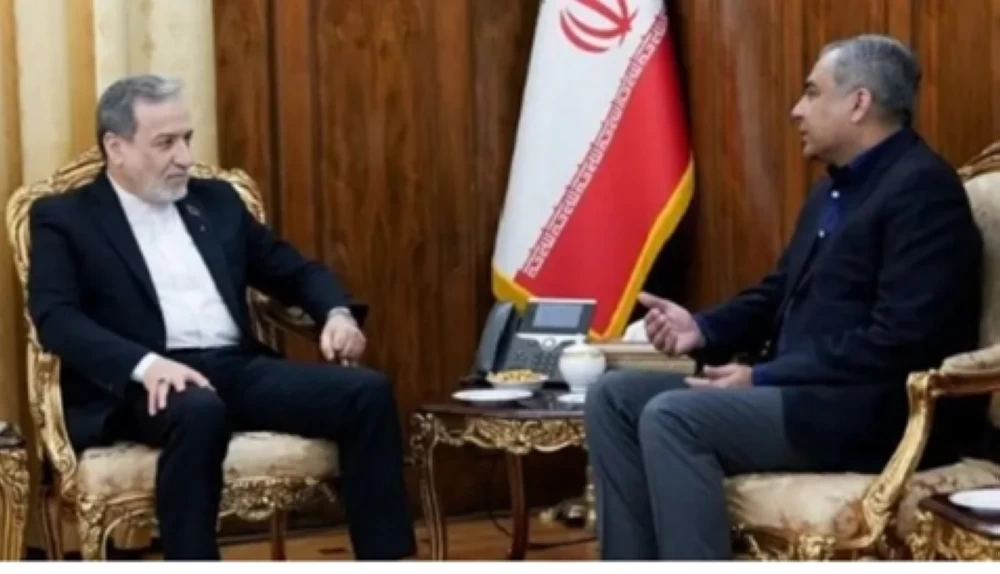
فيما تتوصل المساعي الباكستانية لحل الخلافات وتقليص الفجوات بين إيران والولايات المتحدة، التقى وزير الداخلية الباكستاني محسن نقوي مجدداً وزير الخارجية الإيراني عباس عراقجي في طهران.
وذكرت وسائل إعلام إيرانية، اليوم (الجمعة)، أن الجانبين بحثا سبل دراسة مقترحات لحل الخلافات بين الجانبين الإيراني والأمريكي.
وكان من المرتقب أن يزور قائد الجيش الباكستاني عاصم منير طهران أمس (الخميس) في حال التوصل إلى انفراجة، وهو ما لم يحصل حتى الآن.
وكشفت مصادر مطلعة أن الخلافات بين الجانبين لا تزال تتركز على مسألة نقل اليورانيوم عالي التخصيب من الداخل الإيراني، والسيطرة على مضيق هرمز. إذ تتمسك واشنطن برفض إبقاء اليورانيوم داخل إيران أو فرض أي سيطرة إيرانية على هرمز، الذي تمر عبره خمس شحنات النفط والغاز عالمياً.
وألمحت مصادر وتسريبات في وقت سابق إلى موافقة طهران على تفكيكه داخل البلاد وبإشراف الوكالة الدولية للطاقة الذرية. وتحدثت عن إمكانية الموافقة على نقله إلى دولة ثالثة قد تكون الصين.
وشدد الرئيس الأمريكي دونالد ترمب مساء أمس على أن بلاده لن تقبل ببقاء اليورانيوم أو حيازة طهران لسلاح نووي.
وأفاد مصدران إيرانيان لرويترز بأن المرشد الإيراني مجتبى خامنئي تمسك بإبقاء اليورانيوم عالي التخصيب داخل البلاد.
وذكر المصدران أن كبار المسؤولين الإيرانيين يعتقدون أن نقل تلك المواد إلى الخارج سيجعل البلاد أكثر عرضة للهجمات الأمريكية والإسرائيلية في المستقبل.
وتحتفظ إيران بنحو 440 كيلوغرامًا من اليورانيوم المخصب بنسبة 60%، كافية نظرياً لإنتاج نحو 6 إلى 10 قنابل نووية إذا تم رفع التخصيب إلى 90%، وفق تقديرات الوكالة الذرية للطاقة النووية.
يذكر أن جولة أولى من المفاوضات المباشرة كانت عقدت في إسلام آباد بين الوفدين الإيراني والأمريكي إلا أنها لم تفض إلى نتائج. ومنذ ذلك الحين تواصل باكستان مساعيها من أجل تذليل العقبات والتوصل لاتفاق ينهي الحرب التي تفجرت يوم 28 فبراير الماضي، بين إيران من جهة وأمريكا وإسرائيل من جهة أخرى.
As Pakistan's efforts to resolve disputes and bridge gaps between Iran and the United States continue, Pakistani Interior Minister Mohsin Naqvi met again with Iranian Foreign Minister Abbas Araghchi in Tehran.
Iranian media reported today (Friday) that the two sides discussed ways to study proposals for resolving the disputes between Iran and the U.S.
It was expected that the Pakistani Army Chief Asim Munir would visit Tehran yesterday (Thursday) if a breakthrough was reached, which has not happened so far.
Informed sources revealed that the disagreements between the two sides still focus on the issue of transferring highly enriched uranium from within Iran and controlling the Strait of Hormuz. Washington insists on rejecting the retention of uranium inside Iran or any Iranian control over Hormuz, through which five shipments of oil and gas pass globally.
Sources and leaks earlier hinted at Tehran's agreement to dismantle it within the country under the supervision of the International Atomic Energy Agency. They spoke of the possibility of agreeing to transfer it to a third country, which could be China.
U.S. President Donald Trump emphasized last night that his country would not accept the retention of uranium or Tehran's possession of nuclear weapons.
Two Iranian sources told Reuters that Iranian Supreme Leader Mojtaba Khamenei insisted on keeping the highly enriched uranium within the country.
The sources mentioned that senior Iranian officials believe that transferring those materials abroad would make the country more vulnerable to future American and Israeli attacks.
Iran retains about 440 kilograms of uranium enriched to 60%, theoretically sufficient to produce around 6 to 10 nuclear bombs if enrichment is raised to 90%, according to estimates by the Atomic Energy Agency.
It is worth noting that a first round of direct negotiations was held in Islamabad between the Iranian and American delegations, but it did not lead to any results. Since then, Pakistan has continued its efforts to overcome obstacles and reach an agreement to end the war that erupted on February 28, between Iran on one side and the U.S. and Israel on the other.