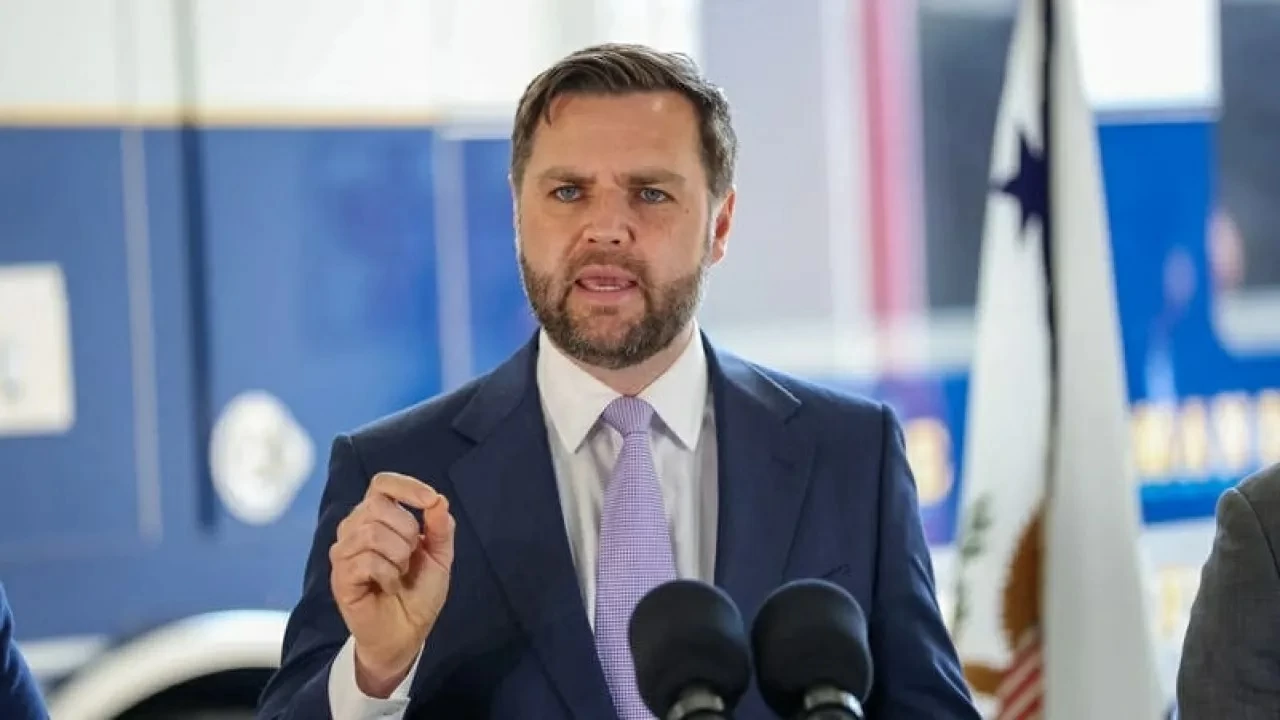
يقود نائب الرئيس الأمريكي جي دي فانس مهمة المفاوضات مع إيران لإنهاء الحرب التي تدخل شهرها الثاني، وأجرى فانس عدة مكالمات مع رئيس الوزراء الإسرائيلي بنيامين نتنياهو، والتقى حلفاء في الشرق الأوسط لبحث تطورات التصعيد العسكري، وشارك في اتصالات غير مباشرة مع الإيرانيين، ويتوقع أن يكون كبير المفاوضين الأمريكيين في أي محادثات سلام محتملة، وفقاً لما أورده موقع «أكسيوس».
وكشفت مصادر أمريكية وإسرائيلية أن فانس بدا متشككاً إلى حد كبير حيال التقييمات الإسرائيلية المتفائلة قبل الحرب بشأن كيفية سيرها، ويتوقع حالياً أن تستمر الحرب لعدة أسابيع أخرى.
وأضافت أن مستشاري نائب الرئيس يرون أن بعض الجهات في إسرائيل تحاول تقويضه، ربما لأنها تعتبره غير متشدد بما فيه الكفاية، وهو ما يرفضه مسؤولون إسرائيليون.
أكثر جاذبية مقارنة بويتكوف
ونقل «أكسيوس» عن مسؤولين في البيت الأبيض، قولهم: إن مكانة فانس داخل الإدارة ومعارضته المعروفة للحروب المفتوحة في الخارج تجعله محاوراً أكثر جاذبية للإيرانيين مقارنة بويتكوف وكوشنر، اللذين أشرفا على جولتين سابقتين من المحادثات الفاشلة.
وكان المبعوث الخاص ستيف ويتكوف أوصى بأن يكون فانس كبير المفاوضين. وقال مسؤول رفيع للموقع: «إذا لم يتمكن الإيرانيون من التوصل إلى اتفاق مع فانس، فلن يحصلوا على اتفاق. إنه أفضل خيار لديهم».
وأفاد مسؤول في البيت الأبيض بأن ويتكوف وكوشنر «لا يزالان يعملان على مساراتهما، ونائب الرئيس مستعد للقيام بدوره إذا نضجت المفاوضات، لكننا لم نصل إلى هذه المرحلة بعد. وعلى الإيرانيين أن يقرروا ما إذا كانوا يريدون الجلوس إلى الطاولة وكيف».
عملية دعائية أجنبية منسقة
ويعتقد مسؤولون في الإدارة الأمريكية أن جهات أجنبية تروج لفكرة أن طهران تريد التفاوض مع نائب ترمب. واعتبر أحد مستشاريه تقرير شبكة CNN في هذا السياق يمثل «عملية دعائية أجنبية منسقة».
وبحسب الموقع الأمريكي، التقى فانس بمسؤولين عرب كبار، وركزت الاجتماعات على الحرب والمحادثات مع إيران والمساعدات العسكرية.
وقال مسؤول أمريكي، إن فانس كان منخرطاً بشكل واسع في الدبلوماسية مع إيران، قبل الحرب وخلال الأيام الأخيرة.
واقترح البيت الأبيض خلال تبادل الرسائل غير المباشر مع الإيرانيين أن يقود فانس وفداً أمريكياً في محادثات سلام رفيعة المستوى.
وذكرت مصادر أمريكية أن فانس عقد عدة اجتماعات لمجلس الأمن القومي لمناقشة الخيارات العسكرية تجاه إيران.
The American Vice President JD Vance is leading the negotiations with Iran to end the war that has entered its second month. Vance has made several calls with Israeli Prime Minister Benjamin Netanyahu and met with allies in the Middle East to discuss developments in the military escalation. He has participated in indirect communications with the Iranians and is expected to be the chief American negotiator in any potential peace talks, according to Axios.
American and Israeli sources revealed that Vance appeared to be quite skeptical about the optimistic Israeli assessments before the war regarding how it would unfold, and it is currently expected that the war will continue for several more weeks.
They added that the Vice President's advisors believe that some parties in Israel are trying to undermine him, perhaps because they consider him not hardline enough, a claim that Israeli officials reject.
More Appealing Compared to Weitkov
Axios reported that White House officials stated that Vance's standing within the administration and his well-known opposition to open-ended wars abroad make him a more appealing interlocutor for the Iranians compared to Weitkov and Kushner, who oversaw two previous rounds of failed talks.
The special envoy Steve Weitkov recommended that Vance be the chief negotiator. A senior official told the site: "If the Iranians cannot reach an agreement with Vance, they will not get an agreement. He is their best option."
A White House official reported that Weitkov and Kushner "are still working on their tracks, and the Vice President is ready to play his role if the negotiations mature, but we have not reached that stage yet. The Iranians need to decide whether they want to sit at the table and how."
Coordinated Foreign Propaganda Operation
Officials in the U.S. administration believe that foreign entities are promoting the idea that Tehran wants to negotiate with a Trump deputy. One of his advisors considered a CNN report in this context to represent a "coordinated foreign propaganda operation."
According to the American site, Vance met with senior Arab officials, focusing the meetings on the war, talks with Iran, and military aid.
An American official stated that Vance has been extensively engaged in diplomacy with Iran, both before the war and during recent days.
The White House suggested during indirect messaging with the Iranians that Vance lead an American delegation in high-level peace talks.
American sources reported that Vance held several National Security Council meetings to discuss military options regarding Iran.