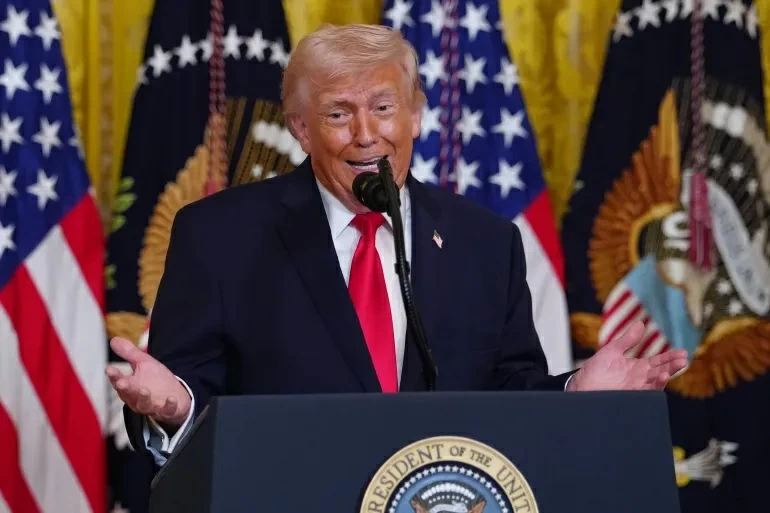
وسط تصاعد حدة التوتر بين البلدين بعد التدخل العسكري الأمريكي في فنزويلا واعتقال رئيسها وزوجته في يناير من العام الحالي، قال الرئيس الأمريكي دونالد ترمب إنه يعتقد أنه سيحظى «بشرف الاستيلاء على كوبا».
وكان ترمب، دعا هافانا إلى التوصل لاتفاق مع واشنطن «قبل فوات الأوان».
وأضاف ترمب خلال مراسم توقيع أمر تنفيذي في البيت الأبيض، أمس (الإثنين)، «أعتقد أنني سأحظى بشرف الاستيلاء على كوبا. سيكون ذلك أمرا جيدا. إنه شرف كبير».
وزاد قائلا: «سواء حررتها أو استوليت عليها، أعتقد أن بإمكاني أن أفعل أي شيء أريده بها»، مؤكدا أن «كوبا دولة ضعيفة جدا في الوقت الحالي. إنها دولة فاشلة. ليس لديها أموال، ولا نفط، ولا أي شيء».
وكرر ترمب على مدى الأسابيع الماضية قوله إن كوبا تقف على حافة الانهيار، في وقت زادت فيه واشنطن الضغوط الاقتصادية على هافانا بهدف قطع تدفق العملات الأجنبية والنفط إلى الجزيرة الكاريبية.
وتصاعدت الضغوط الأمريكية على كوبا بعد أن نفذت الولايات المتحدة عملية عسكرية في الثالث من شهر يناير 2026 في فنزويلا، اعتُقل خلالها الرئيس نيكولاس مادورو وزوجته، ورُحّلا جوا إلى الولايات المتحدة.
وأدت العملية إلى حرمان هافانا من أحد أهم حلفائها، الذي كان يمدها بالدعم سنوات طويلة، خصوصا عبر إمدادات النفط، في ظل الحظر التجاري الأمريكي المستمر على كوبا منذ نحو 66 عاما.
وردت هافانا بغضب على تهديدات الرئيس الأمريكي، وشدد الرئيس الكوبي ميغيل دياز كانيل على سيادة بلاده واستعدادها للدفاع عن نفسها، وحمّل الولايات المتحدة مسؤولية الأوضاع الاقتصادية الصعبة التي تعيشها الجزيرة.
يذكر أن علاقات الولايات المتحدة مع جارتها الجنوبية كوبا تتسم منذ استقلال أمريكا عام 1776 بالتأرجح بين التعاون الاقتصادي والهيمنة الأمريكية وفرض قيود مشددة، وصولا إلى التدخلات العسكرية التي انتهت أحيانا بالاحتلال المباشر للجزيرة.
ومنذ الثورة الكوبية عام 1959، التي أطاحت بنظام فولغينسيو باتيستا المدعوم من واشنطن وأقامت دولة اشتراكية حليفة للاتحاد السوفياتي السابق، شهدت العلاقات حالة عداء سياسي مستمر، إلى جانب حصار اقتصادي طويل الأمد.
ورغم الانفراج المحدود في فترتي رئاسة باراك أوباما وجو بايدن، تجدد العداء السياسي وتصاعدت الضغوط الاقتصادية على كوبا مع فترة رئاسة دونالد ترمب الأولى والثانية.
Amid escalating tensions between the two countries following the U.S. military intervention in Venezuela and the arrest of its president and his wife in January of this year, U.S. President Donald Trump stated that he believes he will have the "honor of seizing Cuba."
Trump had urged Havana to reach an agreement with Washington "before it's too late."
He added during an executive order signing ceremony at the White House yesterday (Monday), "I believe I will have the honor of seizing Cuba. That would be a good thing. It’s a great honor."
He went on to say, "Whether I liberate it or seize it, I believe I can do anything I want with it," emphasizing that "Cuba is a very weak country right now. It is a failed state. It has no money, no oil, and nothing."
Trump has repeatedly stated over the past weeks that Cuba is on the brink of collapse, as Washington has increased economic pressure on Havana to cut off the flow of foreign currency and oil to the Caribbean island.
U.S. pressure on Cuba intensified after the United States conducted a military operation on January 3, 2026, in Venezuela, during which President Nicolás Maduro and his wife were arrested and flown to the United States.
This operation deprived Havana of one of its most important allies, which had provided it with support for many years, particularly through oil supplies, amid the ongoing U.S. trade embargo on Cuba for nearly 66 years.
Havana responded angrily to the U.S. president's threats, with Cuban President Miguel Díaz-Canel emphasizing his country’s sovereignty and its readiness to defend itself, holding the United States responsible for the difficult economic conditions the island is experiencing.
It is worth noting that U.S. relations with its southern neighbor Cuba have fluctuated since America's independence in 1776, swinging between economic cooperation and American dominance, strict restrictions, and military interventions that sometimes ended in direct occupation of the island.
Since the Cuban Revolution in 1959, which overthrew the Washington-supported Fulgencio Batista regime and established a socialist state allied with the former Soviet Union, relations have been characterized by ongoing political hostility, alongside a long-standing economic blockade.
Despite limited thawing during the presidencies of Barack Obama and Joe Biden, political hostility has renewed and economic pressure on Cuba has escalated during Donald Trump's first and second terms.