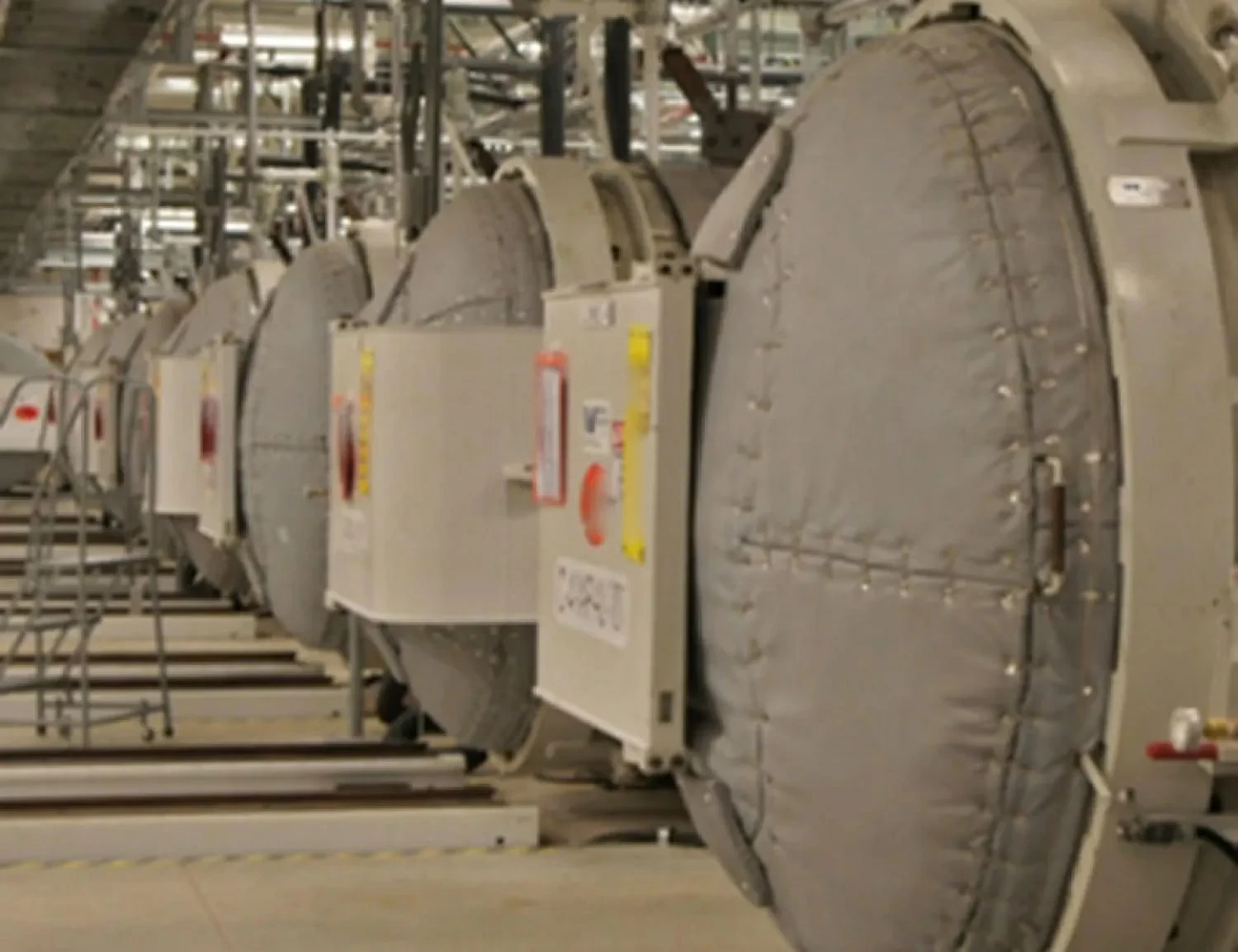
فيما أعلن الرئيس الأمريكي دونالد ترمب بأن منع إيران من تطوير أسلحة نووية، يمثل هدفاً رئيسياً للحرب، ومع غياب هدف تغيير النظام، أو اتفاق من جانب قادة طهران على تسليم اليورانيوم المخصب، فإن سيناريو الاستيلاء على المواد الانشطارية الإيرانية، يبدو خياراً مرجحاً حتى الآن، خصوصاً مع الإعلان عن قرب وصول قوات «المارينز» إلى المنطقة.
عملية محفوفة بالمخاطر
ونقلت صحيفة «وول ستريت جورنال» عن عسكريين أمريكيين سابقين وخبراء تأكيدهم أن الاستيلاء على المواد النووية الإيرانية ستكون عملية عسكرية معقدة، قد تتطلب نشر مئات الجنود في موقع واحد أو أكثر لعدة أيام.
ولفتت إلى أن الجيش الأمريكي لديه فرق نخبوية مدربة خصيصاً لإزالة المواد المشعة من مناطق النزاع، إلا أن تحديد موقع مئات الكيلوغرامات من اليورانيوم عالي التخصيب التي تمتلكها إيران والاستيلاء عليها يتطلب تنسيقاً دقيقاً وقد يكون محفوفاً بالمخاطر.
وكان ترمب قد أفصح أنه لا يستبعد إرسال قوات برية إلى إيران إذا لزم الأمر. لكنه أكد أخيراً أن عملية الاستيلاء على اليورانيوم المخصب الإيراني ليست وشيكة. وقال في مقابلة مع «فوكس نيوز»: لا نركز على ذلك حالياً، ولكن قد نركز عليه في وقت ما. نحن نركز الآن على تدمير صواريخهم وطائراتهم المسيّرة تدميراً كاملاً.
اليورانيوم موجود في موقعين
وحسب معلومات متداولة، فإن إيران تمتلك أكثر من 400 كيلوغرام من اليورانيوم عالي التخصيب بنسبة 60%، ونحو 200 كيلوغرام من المواد الانشطارية بنسبة 20%، يمكن تحويلها بسهولة إلى يورانيوم عالي التخصيب بنسبة 90% يُستخدم في الأسلحة.
وكشف المدير العام للوكالة الدولية للطاقة الذرية رافائيل غروسي، أنه يعتقد أن اليورانيوم موجود بشكل رئيسي في موقعين من المواقع الثلاثة التي هاجمتهما الولايات المتحدة وإسرائيل في يونيو؛ نفق تحت الأرض في المجمع النووي في أصفهان، ومخبأ في نطنز. وأوضح أن نحو نصف المادة المخصبة (بنسبة 60%) كانت موجودة في أنفاق أصفهان.
فيما أقر وزير الخارجية الأمريكي ماركو روبيو، بأن إيران لا تخصب اليورانيوم حالياً. ولم ترصد وكالة غروسي أي مؤشرات على سعي الإيرانيين لنقل هذه المادة. ويصر القادة الإيرانيون علناً على أنهم لا يسعون لامتلاك قنبلة نووية.
تحذير من استئناف التخصيب
وحسب «وول ستريت جورنال»، فإن البيت الأبيض يبدو أنه قرر ترك مخزون اليورانيوم في حوزة إيران، مع تحذيرها بأن أي محاولة لإزالته أو استئناف تخصيبه ستؤدي إلى مزيد من الضربات العسكرية. ونظراً لاختراق إسرائيل البرنامج النووي الإيراني واستطلاع الأقمار الصناعية الأمريكية، فمن المرجح أن يتم كشف أنشطة طهران.
وأضافت: «إذا قرر ترمب محاولة الاستيلاء على اليورانيوم، فقد صرّح الأدميرال المتقاعد جيمس ستافريديس، الذي شغل منصب قائد حلف شمال الأطلسي (الناتو) والقائد السابق للقيادة الجنوبية، بأن ذلك قد يتطلب أكبر عملية للقوات الخاصة في التاريخ».
عملية معقدة للغاية
ويعتقد المدير السابق لشؤون إيران في مجلس الأمن القومي ريتشارد نيفيو، أن أي عملية ستكون للاستيلاء على اليورانيوم الإيراني ستكون «واسعة النطاق ومعقدة للغاية». وأوضح أنه سيتطلب الأمر أكثر من ألف فرد لتنفيذ العملية في موقع واحد.
وعبر عن قلقه بشأن الطائرات المسيّرة، والعبوات الناسفة، والفخاخ المماثلة، ومخاطر التلوث، والوقت الطويل الذي سيحتاجه وجود الأفراد في الموقع. وأضاف أنه في حال ضيق الوقت، يمكن للولايات المتحدة أيضاً محاولة تخفيف تركيز المواد في الموقع عن طريق خلطها باليورانيوم الطبيعي أو تدميرها، على الرغم من أن ذلك قد يتسبب في تلوث كيميائي في المنطقة.
While U.S. President Donald Trump announced that preventing Iran from developing nuclear weapons is a primary goal of the war, and with the absence of a goal to change the regime or an agreement from Tehran's leaders to surrender enriched uranium, the scenario of seizing Iranian fissile materials seems to be a likely option so far, especially with the announcement of the imminent arrival of Marine forces in the region.
A Risky Operation
The Wall Street Journal reported that former U.S. military personnel and experts confirmed that seizing Iranian nuclear materials would be a complex military operation, which may require deploying hundreds of soldiers to one or more locations for several days.
It pointed out that the U.S. military has elite teams specifically trained to remove radioactive materials from conflict areas, but locating and seizing hundreds of kilograms of highly enriched uranium that Iran possesses requires precise coordination and may be fraught with risks.
Trump had disclosed that he does not rule out sending ground forces to Iran if necessary. However, he recently confirmed that the operation to seize Iranian enriched uranium is not imminent. He said in an interview with Fox News: "We are not focusing on that right now, but we may focus on it at some point. We are currently focused on completely destroying their missiles and drones."
Uranium Exists at Two Locations
According to circulating information, Iran possesses more than 400 kilograms of uranium enriched to 60%, and about 200 kilograms of fissile materials enriched to 20%, which can be easily converted to 90% highly enriched uranium used in weapons.
The Director General of the International Atomic Energy Agency, Rafael Grossi, revealed that he believes the uranium is mainly located in two of the three sites that the U.S. and Israel attacked in June; an underground tunnel at the nuclear complex in Isfahan, and a hideout in Natanz. He explained that about half of the enriched material (at 60%) was located in the Isfahan tunnels.
Meanwhile, U.S. Secretary of State Marco Rubio acknowledged that Iran is not currently enriching uranium. Grossi's agency has not detected any indications of Iranians attempting to transfer this material. Iranian leaders publicly insist that they are not seeking to possess a nuclear bomb.
Warning Against Resuming Enrichment
According to the Wall Street Journal, the White House seems to have decided to leave the uranium stockpile in Iran's possession, warning that any attempt to remove it or resume enrichment would lead to further military strikes. Given Israel's penetration of the Iranian nuclear program and U.S. satellite reconnaissance, it is likely that Tehran's activities will be uncovered.
It added: "If Trump decides to attempt to seize the uranium, retired Admiral James Stavridis, who served as NATO commander and former commander of Southern Command, stated that this could require the largest special operations force in history."
Extremely Complex Operation
The former director for Iran at the National Security Council, Richard Nephew, believes that any operation to seize Iranian uranium would be "large-scale and extremely complex." He explained that it would require more than a thousand personnel to execute the operation at a single site.
He expressed concern about drones, explosive devices, similar traps, contamination risks, and the long time individuals would need to be present at the site. He added that if time is tight, the U.S. could also attempt to dilute the concentration of materials at the site by mixing it with natural uranium or destroying it, although this could cause chemical contamination in the area.