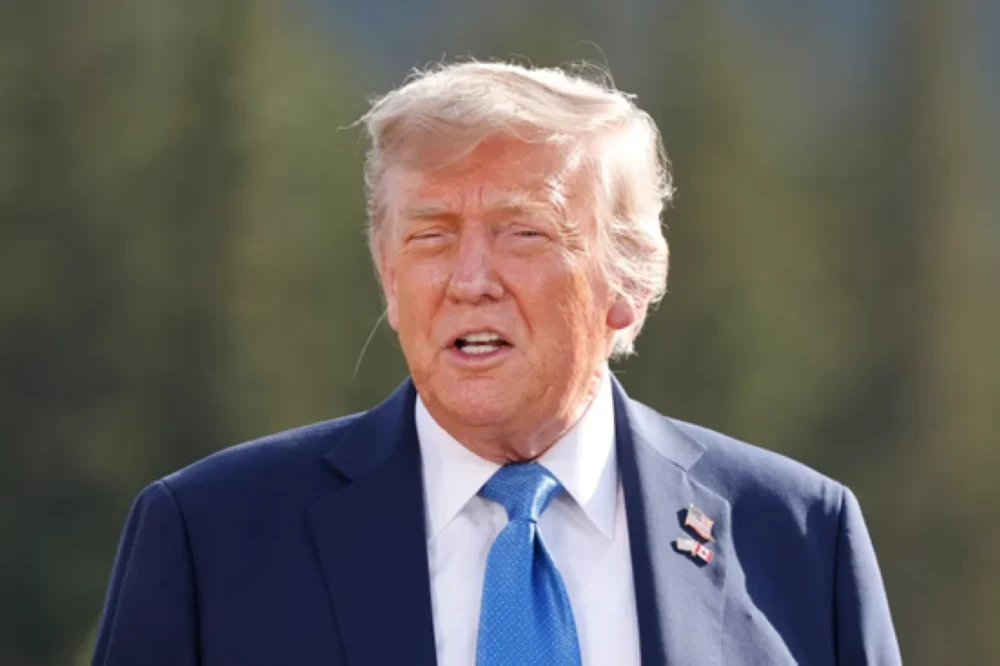
كشف موقع «أكسيوس» Axios عن مسؤولين أمريكيين أن إدارة الرئيس دونالد ترمب تدرس السيطرة على النفط الإيراني في جزيرة «خارك» إذا لم يُفتح مضيق هرمز أمام الملاحة.
وأكد المسؤولون أن تنفيذ هذه الخطوة سيتطلب وجود قوات أمريكية على الأرض، فيما أفاد مسؤول في البيت الأبيض بأن ترمب لم يتخذ قراراً بعد بشأنها.
وبحسب الموقع، يرى بعض المسؤولين أن السيطرة على نفط جزيرة خارك قد تمثل ضربة اقتصادية قاسية لإيران لأنها مركز رئيسي لتصدير نفطها.
من جانبها، أعلنت هيئة عمليّات التجارة البحريّة في بريطانيا «يو كي أم تي أو» UKMTO، أنّ الخطر لا يزال قائماً في مضيق هرمز، بسبب الهجمات الأخيرة، والتشويش على الملاحة، والاضطرابات التشغيلية المستمرة، على الرغم من عدم الإبلاغ عن أي حوادث في الأيام الثلاثة الماضية.
وأوضحت الهيئة أن ما لا يقل عن 20 سفينة تعرضت للهجوم في محيط الخليج العربي ومضيق هرمز وخليج عمان منذ بدء الحرب قبل ثلاثة أسابيع.
ويبلغ طول مضيق هرمز نحو 212 كيلومتراً، ويراوح عرضه بين 33 و55 كيلومتراً تقريباً، بينما يصل عمقه ما بين 60 و100 متر، وهو ما يجعل الممر الآمن لملاحة السفن الكبيرة ضيقاً جداً.
يربط المضيق الخليج العربي بخليج عمان والمحيط الهندي، تطل عليه إيران شمالاً وشبه جزيرة مسندم العمانية والإمارات من الجنوب، وتم اعتماد خط المنتصف لتقسيم مياهه بين الدول.
ويشهد المضيق مرور نحو 20 مليون برميل من النفط يومياً، وجزء كبير من الغاز الطبيعي المسال واليوريا والهيليوم والألومينيوم.
وإذا ما استثنينا السعودية والإمارات وعمان وإيران نفسها، التي تملك موانئ خارجية، تحتاج دول كثير للمرور عبر المضيق من أجل تجارتها الخارجية، وهو أمر يتعلق بقطر والكويت والعراق والبحرين.
ومع استمرار الحرب الأمريكية الإسرائيلية على إيران في إثارة الاضطرابات في أنحاء الشرق الأوسط وفي أسواق الطاقة العالمية في أسبوعها الثالث، أصر ترمب أمس (الأحد) على أن الدول التي تعتمد بشكل كبير على النفط من الخليج تتحمل مسؤولية حماية المضيق الذي يمر عبره 20% من الطاقة العالمية.
وقال للصحفيين على متن طائرة الرئاسة في طريقه إلى واشنطن قادما من فلوريدا «أطالب هذه الدول بالتدخل».
وكشف إن إدارته تواصلت بالفعل مع سبع دول، لكنه لم يحدد هذه الدول. وفي منشور على وسائل التواصل الاجتماعي مطلع الأسبوع، عبر عن أمله في أن تشارك الصين وفرنسا واليابان وكوريا الجنوبية وبريطانيا ودول أخرى.
The Axios website revealed from American officials that President Donald Trump's administration is considering taking control of Iranian oil on the island of "Kharg" if the Strait of Hormuz is not opened to navigation.
Officials confirmed that implementing this step would require the presence of American forces on the ground, while a White House official stated that Trump has not yet made a decision regarding it.
According to the website, some officials believe that controlling the oil of Kharg Island could represent a severe economic blow to Iran as it is a major center for its oil exports.
For its part, the UK Maritime Trade Operations (UKMTO) announced that the threat in the Strait of Hormuz remains, due to recent attacks, disruptions to navigation, and ongoing operational disturbances, despite no incidents being reported in the past three days.
The agency clarified that at least 20 ships have been attacked in the vicinity of the Arabian Gulf, the Strait of Hormuz, and the Gulf of Oman since the war began three weeks ago.
The Strait of Hormuz is approximately 212 kilometers long, with a width ranging between about 33 and 55 kilometers, while its depth varies between 60 and 100 meters, making the safe passage for large ships very narrow.
The strait connects the Arabian Gulf to the Gulf of Oman and the Indian Ocean, bordered by Iran to the north and the Omani Musandam Peninsula and the UAE to the south, with a median line established to divide its waters among the countries.
About 20 million barrels of oil pass through the strait daily, along with a significant portion of liquefied natural gas, urea, helium, and aluminum.
Excluding Saudi Arabia, the UAE, Oman, and Iran itself, which have external ports, many countries need to pass through the strait for their foreign trade, including Qatar, Kuwait, Iraq, and Bahrain.
As the American-Israeli war on Iran continues to stir unrest across the Middle East and in global energy markets in its third week, Trump insisted yesterday (Sunday) that countries heavily reliant on oil from the Gulf bear the responsibility of protecting the strait through which 20% of the world's energy passes.
He told reporters aboard Air Force One on his way to Washington from Florida, "I urge these countries to intervene."
He revealed that his administration has already contacted seven countries, but he did not specify which ones. In a social media post earlier this week, he expressed hope that China, France, Japan, South Korea, Britain, and other countries would participate.