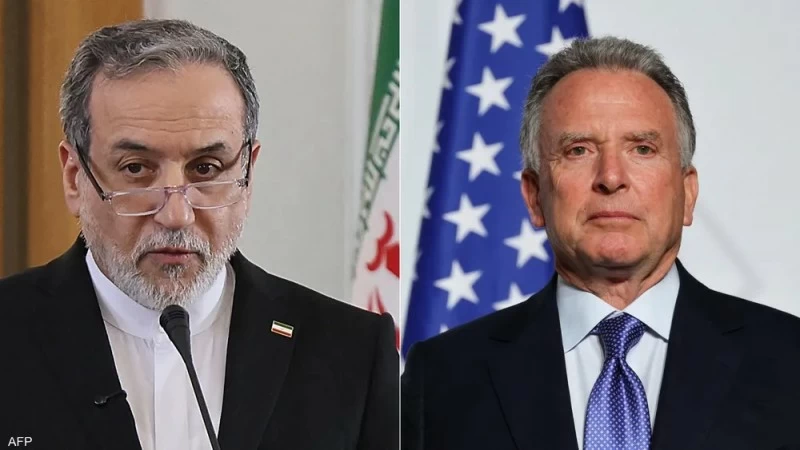
أفصحت شبكة «NBC News» عن مشادة كلامية حادة بين بين وزير الخارجية الإيراني عباس عراقجي والمبعوث الأمريكي ستيف ويتكوف، خلال محادثات مغلقة سبقت اندلاع المواجهة العسكرية، في مؤشر إلى تعثر المسار الدبلوماسي.
تحفّظ من الجانب الإيراني
وكشف مسؤولون في الإدارة الأمريكية، أن الوفد الأمريكي أبلغ نظيره الإيراني بضرورة الامتناع عن خطوات اعتُبرت أساسية لتطوير سلاح نووي، وعلى رأسها تخصيب اليورانيوم خلال السنوات الـ10 القادمة، إلا أن هذا الطرح قوبل بتحفظ واضح من الجانب الإيراني.
وجدد عراقجي خلال المحادثات، التأكيد على أن بلاده تمتلك «حقاً غير قابل للتصرف في تخصيب اليورانيوم»، ليرد ويتكوف بقوله إن الولايات المتحدة تملك بدورها «حقاً غير قابل للتصرف في منع ذلك».
غير أن معطيات إضافية نشرتها «ABC News» أظهرت أن الأيام الأخيرة قبل العملية شهدت اتصالات مكثفة وتقييمات استخباراتية حاسمة أسهمت في اتخاذ القرار.
مكالمة حاسمة مع ترمب
وتحدثت مصادر متعددة، عن أن الرئيس الأمريكي دونالد ترمب أجرى اتصالاً هاتفياً مع مبعوثيه ستيف ويتكوف وجاريد كوشنر، (الخميس) الذي سبق العملية، وأبلغه المبعوثان خلال المكالمة بأن طهران لم تُظهر جدية في إنهاء أو تفكيك برنامجها لتخصيب اليورانيوم، لكن لم يصدر تعليق رسمي من البيت الأبيض على هذه المعلومات.
تصريحات علنية مختلفة
وقال ترمب في اتصال هاتفي مع «ABC News» إن المحادثات مع إيران كانت تسير «بشكل جيد للغاية»، مضيفاً أن الإدارة الأمريكية لم تكن تعتقد أن الإيرانيين سيصلون إلى مرحلة تقديم تنازلات حقيقية، محذراً من أنهم كانوا «سيملكون في فترة وجيزة قدرة نووية كبيرة» وهو ما اعتبره أمراً غير مقبول.
ونقلت الشبكة عن مصدر مطلع، أن وكالة الاستخبارات المركزية كانت تراقب تحركات المرشد الإيراني علي خامنئي لأشهر، بما في ذلك جدول تنقلاته اليومي. وعندما تبيّن وجود اجتماع مرتقب لكبار القادة معه (السبت) تقرر تعديل توقيت الهجوم بما يتناسب مع المعطيات الجديدة.
NBC News reported a heated verbal exchange between Iranian Foreign Minister Abbas Araqchi and U.S. envoy Steve Wietkoff during closed talks that preceded the outbreak of military confrontation, indicating a setback in the diplomatic path.
Iranian Reservations
U.S. officials revealed that the American delegation informed their Iranian counterparts of the necessity to refrain from steps deemed essential for developing a nuclear weapon, foremost among them uranium enrichment over the next 10 years. However, this proposal was met with clear reservations from the Iranian side.
Araqchi reiterated during the talks that his country possesses an "inalienable right to enrich uranium," to which Wietkoff responded that the United States also holds an "inalienable right to prevent that."
However, additional data published by ABC News showed that the days leading up to the operation witnessed intensive communications and critical intelligence assessments that contributed to the decision-making process.
A Crucial Call with Trump
Multiple sources reported that U.S. President Donald Trump made a phone call to his envoys Steve Wietkoff and Jared Kushner on the Thursday before the operation, during which the envoys informed him that Tehran had not shown seriousness in ending or dismantling its uranium enrichment program. However, no official comment has been issued by the White House regarding this information.
Different Public Statements
Trump stated in a phone call with ABC News that talks with Iran were going "very well," adding that the U.S. administration did not believe the Iranians would reach a stage of making real concessions, warning that they would "soon possess significant nuclear capability," which he considered unacceptable.
The network reported from an informed source that the CIA had been monitoring the movements of Iranian Supreme Leader Ali Khamenei for months, including his daily schedule. When it became clear that a meeting with senior leaders was anticipated on Saturday, it was decided to adjust the timing of the attack to align with the new information.