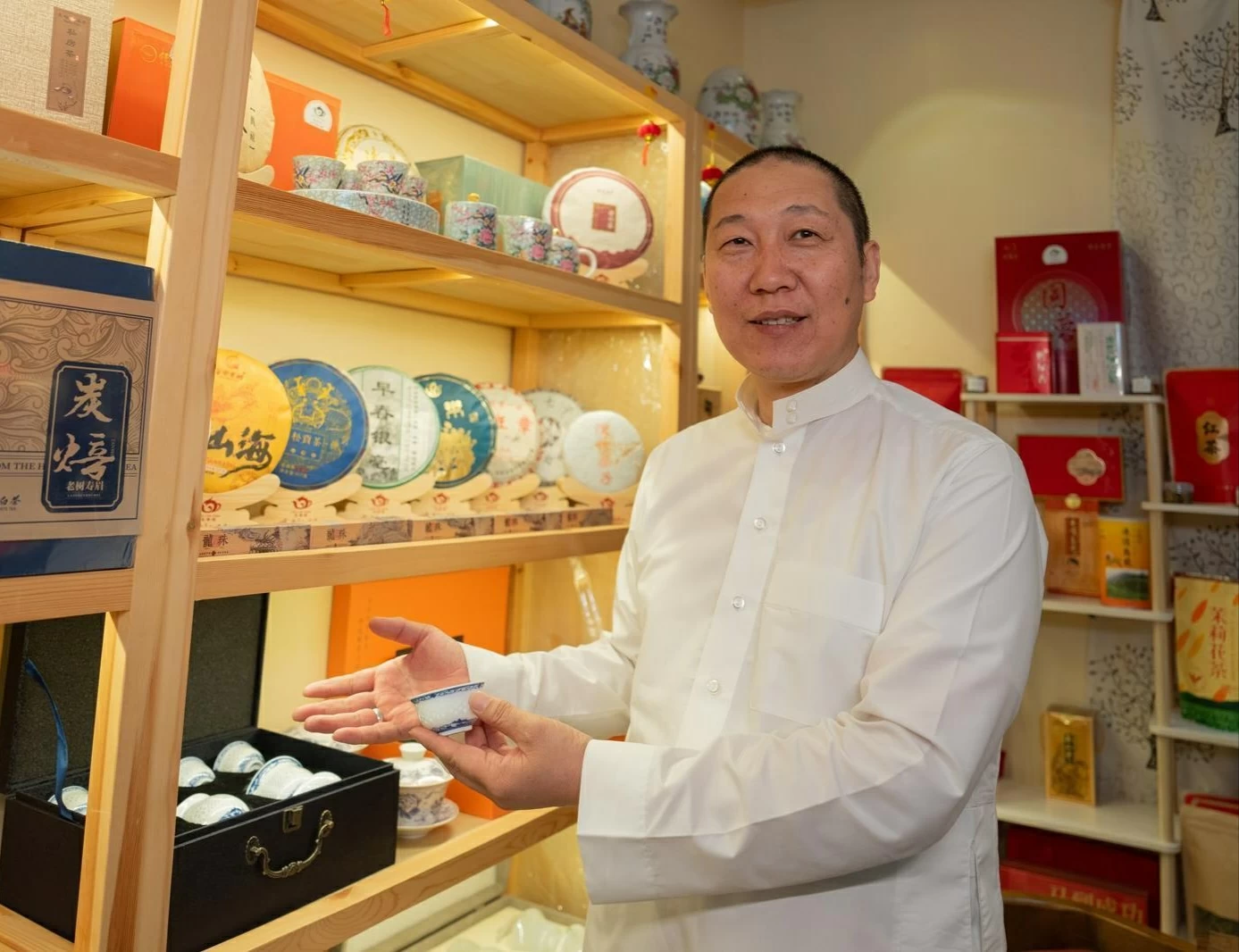
روى الصيني ليو جينغ شي، المقيم في المملكة منذ عام 2002، تجربته مع صيام شهر رمضان التي امتدت لأكثر من 24 عامًا، مؤكدًا أن رمضان في المملكة لا يقتصر على الامتناع عن الطعام والشراب فحسب، بل يمثل تجربة ثقافية واجتماعية وروحانية عميقة تعكس قيم المجتمع السعودي وسماته الإنسانية.
وأوضح ليو أن شهر رمضان في المملكة يحمل طابعًا خاصًا يتجلى في روح التكافل والتراحم بين أفراد المجتمع، مشيرًا إلى أن هذه القيم تظهر بوضوح من خلال انتشار خيام الإفطار في المساجد وعلى الطرق، حيث تُقدَّم وجبات الإفطار للصائمين في مشهد يعكس التعاون والتعاضد الاجتماعي ويضفي أجواءً إنسانية مميزة على الشوارع والأحياء.
وبيّن أن يومه الرمضاني يبدأ بتناول وجبة السحور قبل أذان الفجر، واصفًا إياها بأنها لحظة مهمة تمنحه الطاقة لمواصلة الصيام طوال اليوم، ثم يؤدي صلاة الفجر ويباشر أعماله اليومية، مستفيدًا من هدوء الصباح للتركيز في مهماته.
وقال إنه رغم إقامته الطويلة في المملكة، يحرص على إدخال بعض الأطباق الصينية إلى مائدة الإفطار، حيث يجتمع مع عائلته لإعداد وجبات صينية تقليدية، إلى جانب تلقيه دعوات من أصدقائه السعوديين لمشاركتهم وجبتي الإفطار والسحور، ما يضفي على الشهر الكريم أجواء اجتماعية مميزة.
وأضاف أنه يبدأ إفطاره عادة بالتمر وماء زمزم والقهوة السعودية، إلى جانب بعض الأطعمة والحلويات الرمضانية مثل السمبوسة ومشروب الفيمتو والأرز، إضافة إلى الأطباق الصينية التي تعدها أسرته.
وأكد ليو في ختام حديثه أن تجربته مع رمضان في المملكة كانت فريدة ومميزة، إذ أتاحت له التعرف عن قرب على العادات الرمضانية الشعبية ومشاركة المجتمع تقاليده خلال هذا الشهر الكريم.
The Chinese national Liu Jingxi, who has been residing in the Kingdom since 2002, shared his experience of fasting during the month of Ramadan, which has lasted for more than 24 years. He emphasized that Ramadan in the Kingdom is not limited to abstaining from food and drink; it represents a deep cultural, social, and spiritual experience that reflects the values and human characteristics of Saudi society.
Liu explained that the month of Ramadan in the Kingdom has a special character that manifests in the spirit of solidarity and compassion among community members. He pointed out that these values are clearly evident through the spread of iftar tents in mosques and along the roads, where meals are provided for fasting individuals in a scene that reflects cooperation and social solidarity, creating a unique human atmosphere in the streets and neighborhoods.
He indicated that his Ramadan day begins with a pre-dawn meal (suhoor) before the Fajr prayer, describing it as an important moment that gives him the energy to continue fasting throughout the day. He then performs the Fajr prayer and starts his daily activities, taking advantage of the morning calm to focus on his tasks.
He mentioned that despite his long stay in the Kingdom, he makes sure to include some Chinese dishes on the iftar table, as he gathers with his family to prepare traditional Chinese meals, in addition to receiving invitations from his Saudi friends to share iftar and suhoor with them, which adds a special social atmosphere to the holy month.
He added that he usually starts his iftar with dates, Zamzam water, and Saudi coffee, along with some Ramadan foods and sweets such as sambusas, Vimto drink, and rice, in addition to the Chinese dishes prepared by his family.
Liu concluded his remarks by affirming that his experience with Ramadan in the Kingdom has been unique and special, as it has allowed him to closely learn about popular Ramadan customs and share the community's traditions during this holy month.