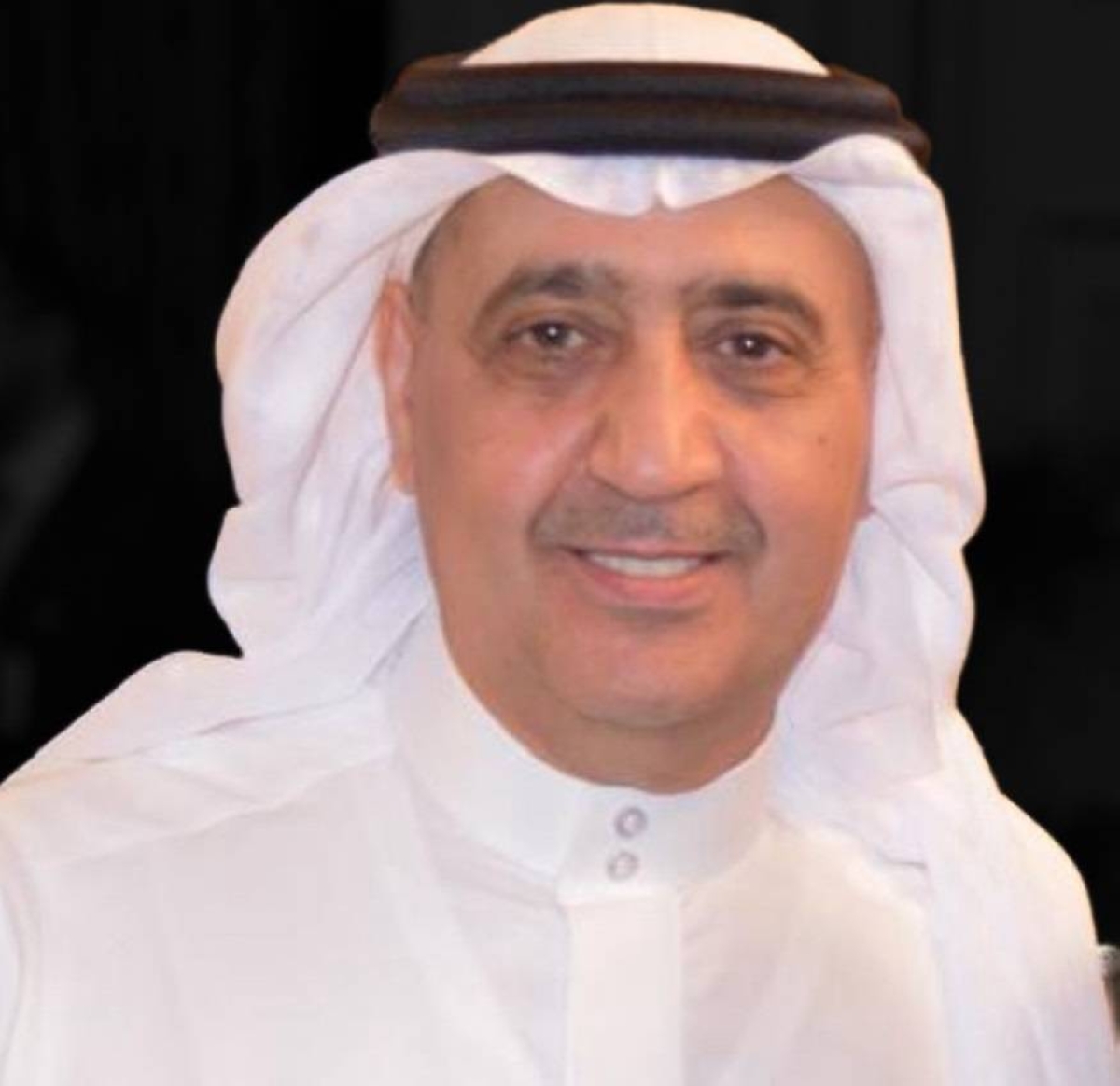
في زمن اعتدنا كثرة الشعارات وقلّة الفعل، يسطع اسم الدكتور علي بن عبدالله بن صقر كنموذج نادر لرجل جعل من الصمت لغة ومن العمل مذهباً ومن التواضع منهجاً، حتى غدا أثره أبلغ من حديثه، وفعله يسبق أي وعد يطلقه.
ولد في قرية بني ظبيان بمنطقة الباحة عام 1955، وتدرج في دراسته حتى نال الدكتوراه في علم الاجتماع من جامعة ولاية ميشيغان الأمريكية عام 1985، ليعود إلى وطنه حاملاً شغفاً بالعلم، وإيماناً راسخاً بأن التعليم رسالة لا وظيفة، وأن بناء الإنسان يبدأ من المعرفة، لكنه لا يكتمل إلا بالأخلاق.
شغل الدكتور علي بن صقر منصب أستاذ في قسم الاجتماع بجامعة الملك عبدالعزيز، وهناك لم يكن أستاذاً فقط، بل كان مربياً وملهماً، يشرف على الرسائل العلمية، ويغرس في طلابه معنى الانتماء والمسؤولية، لكن ذروة حضوره كانت حين أوفدته الدولة ملحقاً ثقافياً في النمسا بين 2012 و2016، إذ تحولت الملحقية إلى بيت مفتوح لكل مبتعث، ومركز إشعاع ثقافي يتجاوز الحدود الرسمية إلى الإنسانية.
كان صديقاً للمبتعثين لا وصياً عليهم، يرافقهم في تفاصيلهم، ويذلل الصعاب، ويوفر بيئة تعليمية آمنة تجعلهم يشعرون أن الوطن معهم لا بعيداً عنهم. لم يكن من أولئك الذين يكثرون الحديث عمّا سيفعلون، بل كان ينجز بهدوء، ويتوارى عن الأضواء، ويترك بصمته في النفوس قبل أن تلتقطها الصحف.
خلال سنوات عمله خارج الوطن قاد حراكاً ثقافياً هادئاً لكن عميق الأثر. نظم المعارض، ووقع الاتفاقيات، وأطلق البرامج التدريبية، وأسس لجسور معرفية بين الجامعات السعودية ونظيراتها الأوروبية. حتى في أصعب المهمات كان الرجل هادئاً متزناً كأنه يحمل بداخله بوصلة لا تنحرف عن اتجاهها خدمة الوطن وأبنائه.
ولم تكن جهوده محل تقدير محلي فقط، بل بادرت الجامعات المجرية إلى منحه الوسام الفضي، في تكريم نادر لم يُمنح سوى لقلّة، في اعتراف واضح بما أنجزه من توطيد للعلاقات الأكاديمية والثقافية بين المملكة وتلك الدول.
الدكتور علي بن صقر لا يُختزل في سيرة وظيفية، ولا ألقاب أكاديمية، بل في أثر تركه حيثما حلّ في قلوب من عمل معهم، ومن تلقى دعمه، ومن شعر بأن الوطن كان أكثر قرباً بوجود هذا الرجل.
هو من أولئك الذين يتركون خلفهم درساً صامتاً في النبل أن القيمة الحقيقية للإنسان في أثره لا في صوته، وفي ما يبنيه من جسور لا ما يرفعه من شعارات.
هو ببساطة.. رجل حين تحدثنا عنه كان فعله قد قال كل شيء.
In an era where we are accustomed to many slogans and little action, the name of Dr. Ali bin Abdullah bin Saqr shines as a rare example of a man who made silence a language, work a doctrine, and humility a methodology, to the point that his impact became more eloquent than his words, and his actions preceded any promise he made.
He was born in the village of Bani Dhubyan in the Al-Baha region in 1955, and he progressed in his studies until he obtained a PhD in sociology from Michigan State University in the United States in 1985, returning to his homeland with a passion for knowledge and a firm belief that education is a mission, not just a job, and that building a person begins with knowledge, but is only completed with ethics.
Dr. Ali bin Saqr held the position of professor in the sociology department at King Abdulaziz University, where he was not just a professor, but also a mentor and an inspiration, supervising academic theses and instilling in his students the meaning of belonging and responsibility. However, the peak of his presence was when the state appointed him as a cultural attaché in Austria between 2012 and 2016, during which the attaché office transformed into an open house for every scholarship student, and a center of cultural radiance that transcended official borders to reach humanity.
He was a friend to the scholarship students, not a guardian over them, accompanying them in their details, smoothing out difficulties, and providing a safe educational environment that made them feel that their homeland was with them, not far from them. He was not one of those who talked a lot about what he would do; rather, he accomplished quietly, shunning the limelight, leaving his mark on souls before it was captured by the newspapers.
During his years of work abroad, he led a quiet yet profoundly impactful cultural movement. He organized exhibitions, signed agreements, launched training programs, and established knowledge bridges between Saudi universities and their European counterparts. Even in the most challenging missions, the man remained calm and balanced, as if he carried within him a compass that never strayed from its direction of serving the homeland and its people.
His efforts were not only appreciated locally; Hungarian universities took the initiative to award him the silver medal, in a rare honor given only to a few, in clear recognition of what he accomplished in strengthening academic and cultural relations between the Kingdom and those countries.
Dr. Ali bin Saqr cannot be reduced to a professional biography or academic titles; rather, he is defined by the impact he left wherever he went, in the hearts of those he worked with, those who received his support, and those who felt that their homeland was closer with the presence of this man.
He is one of those who leave behind a silent lesson in nobility that the true value of a person lies in their impact, not in their voice, and in what they build in bridges, not in what they raise in slogans.
He is simply... a man whose actions spoke volumes before we even began to talk about him.