أعلن مشروع مسام لنزع الألغام في اليمن اليوم (الخميس) إتلاف 6078 قطعة من مخلفات الحرب من الذخائر غير المنفجرة في محافظة أبين جنوب اليمن، وذلك في إطار المساعي المستمرة لتعزيز الأمن المجتمعي.
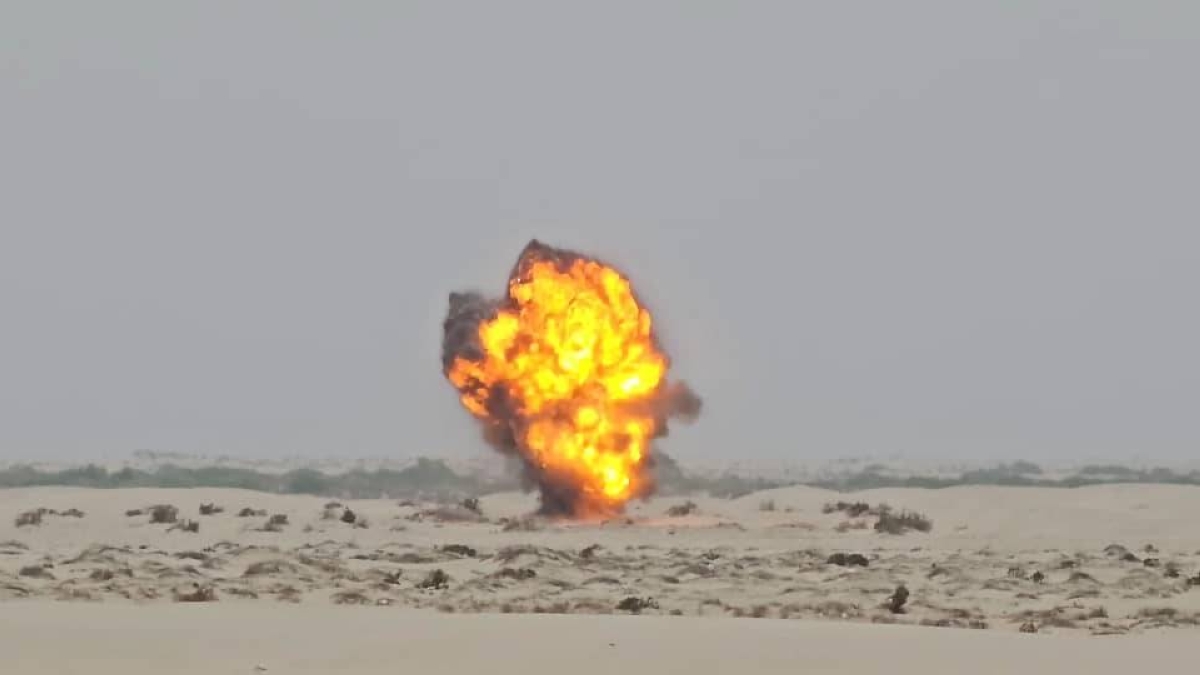
وقال المكتب الإعلامي للمشروع -في بيان حصلت «عكاظ» على نسخة منه- إن مشروع «مسام» لنزع الألغام نفذ اليوم عملية نوعية لإتلاف كميات كبيرة من مخلفات الحرب غير المنفجرة في منطقة وادي دوفس بمديرية زنجبار بمحافظة أبين، موضحاً أن فريق المهمات الخاصة الأول التابع للمشروع أشرف على تنفيذ العملية التي أسفرت عن إتلاف 6078 قطعة من الذخائر المتنوعة ومخلفات الحرب تم تجميعها من مناطق مختلفة في محافظة أبين.
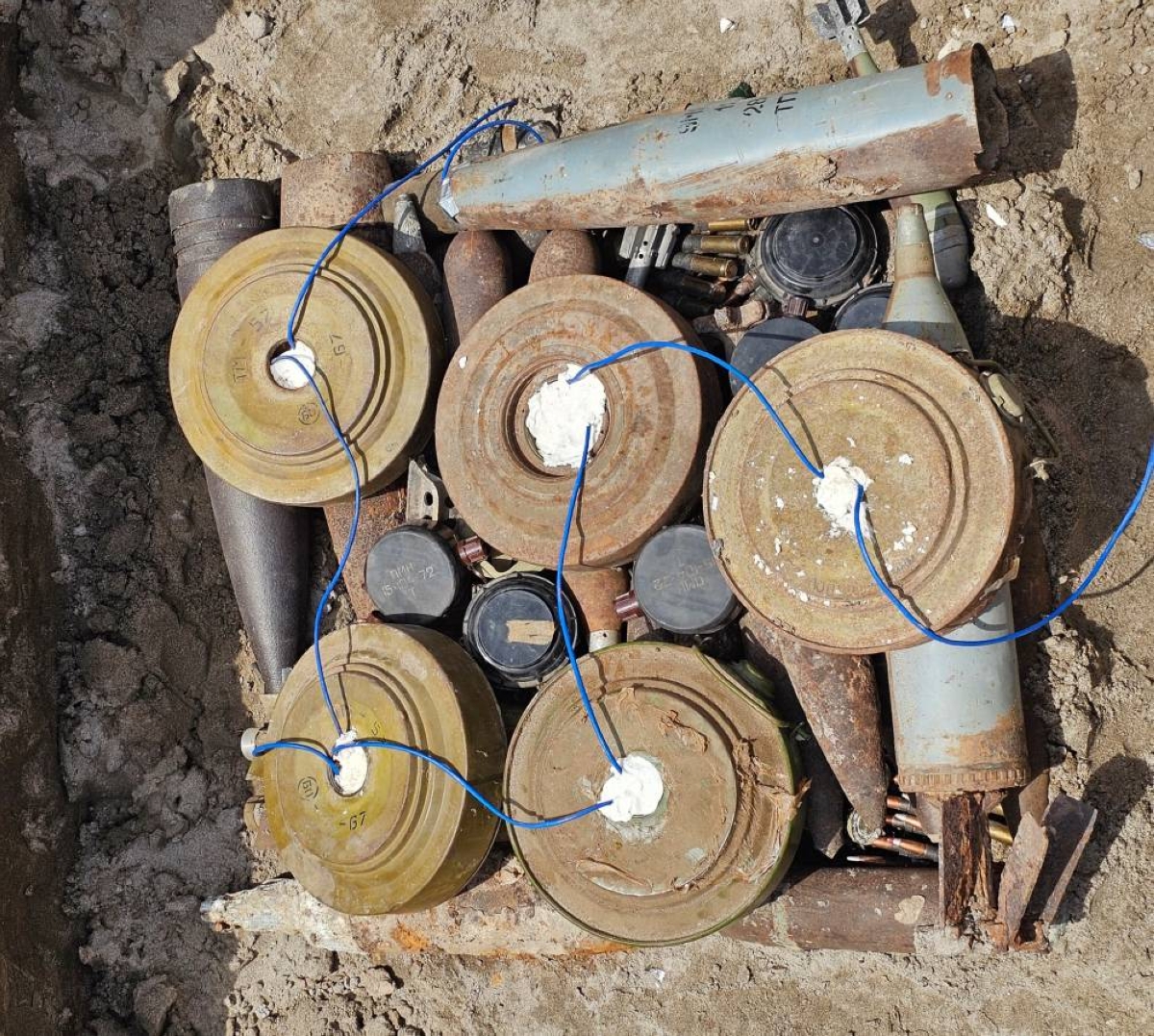
وأشار البيان إلى أن العملية شملت إتلاف كميات متفاوتة من المواد المتفجرة، تتنوع بين (227 قذيفة منوعة، و351 فيوزاً من أنواع متعددة، و5442 طلقة مختلفة العيارات، و11 لغماً مضاداً للأفراد، و5 ألغام مضادة للدبابات، و42 قنبلة يدوية)، مؤكداً أن العملية جرى تنفيذها في منطقة آمنة بعيدة عن التجمعات السكانية والمزارع، لضمان سلامة المدنيين، مع الالتزام التام بالمعايير الدولية الخاصة بإتلاف المتفجرات.
وقال قائد فريق المهمات الخاصة الأول المهندس منذر قاسم إن العملية نُفذت بنجاح في موقع مدروس وآمن، موضحاً أن الفريق تعامل مع المواد المتفجرة وفق إجراءات دقيقة تضمن أقصى درجات الأمان.
وأضاف قاسم: «عمل فرق المهمات الخاصة لا يتوقف طوال العام، نظراً إلى أهمية مهماتنا في حماية حياة المواطنين الأبرياء»، لافتاً إلى أن الظروف المناخية القاسية والتضاريس الصعبة لا تمنعهم من أداء واجبهم الإنساني.
ويعد مشروع «مسام» السعودي التابع لمركز الملك سلمان للإغاثة والأعمال الإنسانية أحد أبرز المشاريع الإنسانية بمجال إزالة الألغام، وتمكن منذ إطلاقه نهاية يونيو 2018 وحتى الآن من نزع 507,588 لغماً وذخيرة غير منفجرة وعبوة ناسفة.
ورغم التحديات إلا أن «مسام» نجح في تفكيك الألغام وحماية المدنيين في عدد من المحافظات اليمنية المحررة وأسهم بشكل كبير في تطبيع الحياة وتأمين الطرق والمزارع ووسائل العيش للسكان الذين يعتمدون على الرعي والزراعة في المناطق التي كانت موبوءة بالألغام والمتفجرات.
ويهدف مشروع مسام إلى تطهير الأراضي من مخلفات الحرب، وتأمين سبل الحياة اليومية للمدنيين، لاسيما في المناطق التي كانت مسرحاً للمعارك أو شهدت زراعة ممنهجة للألغام خصوصاً أن اليمن يعاني من واحدة من أسوأ أزمات الألغام في العالم. وبحسب منظمات دولية فإن هناك ملايين الألغام والعبوات الناسفة المزروعة عشوائياً في المدن، والقرى، والمزارع، وممرات المدنيين، ما يشكّل خطراً دائماً على حياة السكان، خصوصاً الأطفال والنساء، ويعرقل جهود إعادة الإعمار وعودة الاستقرار.
وشكل غياب خرائط زرع الألغام والتضاريس الصعبة والمعقدة والظروف الأمنية أكبر تحدٍ لفريق «مسام»، الذي عمل بجهد كبير للتغلب على هذه التحديات وحماية الأرواح وتوعية الأطفال والنساء بأساليب زراعة الألغام وأشكالها ومخاطرها، ما أعاد الأمل للكثير من اليمنيين الذين ظلوا لسنوات نازحين ومحرومين من منازلهم ومزارعهم.
The Masam project for mine clearance in Yemen announced today (Thursday) the destruction of 6,078 pieces of war remnants from unexploded ordnance in Abyan Governorate in southern Yemen, as part of ongoing efforts to enhance community security.
The media office of the project stated in a statement obtained by "Okaz" that the "Masam" mine clearance project carried out a significant operation today to destroy large quantities of unexploded war remnants in the Wadi Dofas area of the Zinjibar district in Abyan Governorate, explaining that the first special missions team of the project oversaw the execution of the operation, which resulted in the destruction of 6,078 pieces of various munitions and war remnants collected from different areas in Abyan Governorate.
The statement indicated that the operation included the destruction of varying quantities of explosive materials, including (227 assorted shells, 351 fuses of various types, 5,442 rounds of different calibers, 11 anti-personnel mines, 5 anti-tank mines, and 42 hand grenades), confirming that the operation was carried out in a safe area away from population centers and farms to ensure the safety of civilians, with full adherence to international standards for the destruction of explosives.
The leader of the first special missions team, Engineer Munther Qasim, stated that the operation was successfully executed in a carefully studied and secure location, explaining that the team handled the explosive materials according to precise procedures that ensure the highest levels of safety.
Qasim added: "The work of the special missions teams does not stop throughout the year, due to the importance of our missions in protecting the lives of innocent citizens," noting that harsh weather conditions and difficult terrain do not prevent them from fulfilling their humanitarian duty.
The "Masam" project, which is part of the King Salman Humanitarian Aid and Relief Center, is one of the most prominent humanitarian projects in the field of mine clearance. Since its launch at the end of June 2018, it has managed to clear 507,588 mines, unexploded munitions, and explosive devices.
Despite the challenges, "Masam" has succeeded in dismantling mines and protecting civilians in several liberated Yemeni governorates and has significantly contributed to normalizing life, securing roads, farms, and livelihoods for residents who rely on herding and agriculture in areas that were once infested with mines and explosives.
The Masam project aims to cleanse the land of war remnants and secure daily livelihoods for civilians, especially in areas that were battlegrounds or witnessed systematic mine planting, particularly since Yemen suffers from one of the worst landmine crises in the world. According to international organizations, there are millions of landmines and improvised explosive devices randomly planted in cities, villages, farms, and civilian pathways, posing a constant danger to the lives of residents, especially children and women, and hindering reconstruction efforts and the return of stability.
The absence of minefield maps, along with difficult and complex terrain and security conditions, has posed the greatest challenge for the "Masam" team, which has worked diligently to overcome these challenges, protect lives, and educate children and women about mine planting methods, their shapes, and dangers, restoring hope for many Yemenis who have remained displaced and deprived of their homes and farms for years.