في ثلاث زيارات متعاقبة إلى بيروت، سعى المبعوث الأمريكي توم براك إلى إحداث خرق في جدار الأزمة اللبنانية المتشابكة، حاملاً رسائل واضحة حول حدود التسوية الممكنة ومكامن الاستعصاء الحقيقي.
لكن ما عاد به الرجل هذه المرة، لا يختلف عن المرتين السابقتين: لبنان ما زال يردد العبارات نفسها، ويتمسّك بالشروط ذاتها، ويبحث في العناوين من دون الدخول إلى عمق المعضلة.
هكذا، انتهت الجولة الثالثة لتوم براك من دون اختراق، لكنها لم تكن عبثية. فالرجل الآتي من موقع دقيق في إدارة ملف ترسيم الحدود وتثبيت التفاهمات السياسية والأمنية في المنطقة، لم يأتِ ليستمع فقط، بل ليُبلغ. وما سمعه في بيروت من مواقف لبنانية مكررة، قابله بإيصال رسائل مباشرة: الوقت ينفد، ومساحة المناورة تضيق.
حزب الله قال كلمته: لا تسليم للسلاح
بعيداً من المجاملات الدبلوماسية، بات الموقف الرافض لأي نقاش حول سلاح حزب الله علنياً وواضحاً، لا يحتاج إلى تسريبات أو تفسيرات. فقد كرّست مواقف مسؤولي الحزب في الآونة الأخيرة، وعبر منابر إعلامية وسياسية متعددة، معادلة ثابتة: لا تسليم للسلاح، لا في إطار تسوية داخلية ولا تحت أي ضغط خارجي.
هذا الموقف، الذي يخرج إلى العلن تباعاً، لم يمرّ من دون أن يلتقطه الموفد الأمريكي توم براك، الذي بدا كمن يدرك أن الرهان على تنازلات من داخل المنظومة الحاكمة في لبنان، لن يقود إلى اختراق حقيقي طالما أن «الملف الجوهري» مغلق بإحكام. وهنا يُطرح سؤال لا يمكن تجاهله: كيف يمكن الحديث عن تسوية، طالما أن سلاح الحزب خارج أي إطار تفاوضي أو رقابي؟ وهل من سبيل لحل فعلي في ظل هذه المعادلة المغلقة؟ووفق ما تسرب من اللقاءات، فإن براك سمع من الرؤساء الثلاثة، وتحديداً من نبيه بري موقفاً ثابتاً مفاده أن لبنان لا يزال ملتزماً بمطالبة إسرائيل بالانسحاب الكامل من أراضيه، وخصوصاً مزارع شبعا وتلال كفرشوبا، قبل الحديث عن أي ترتيبات أمنية أو التزامات مقابلة.
فهل استمرار التمسك بهذا الموقف «خطوة مقابل خطوة» يعزز فرص التفاوض؟ أم أنه يعمّق دائرة الجمود؟ وهل لبنان مستعد لدفع ثمن هذه الإستراتيجية في المستقبل القريب؟
الدوران حول الذات.. والمواعيد تمضي
المفارقة أن لبنان، وهو يكرر على مسامع زواره نفس العبارات الدبلوماسية التي دأب على تردادها منذ سنوات، يبدو كمن دخل دوامة مفرغة لا يستطيع الخروج منها، لكنه أيضاً لا يجرؤ على كسرها.
ففي الوقت الذي تطالب فيه واشنطن بإجراءات ملموسة تعكس «جدية لبنان» في الالتزام بمخرجات القرار 1701، لا يزال الموقف الرسمي يتراوح بين التمسك بالخطاب السيادي من جهة، والامتناع عن أي خطوات عملية من جهة ثانية، خشية الاصطدام بحزب الله أو قلب المعادلات الهشّة التي كشفتها مواقف المسؤولين اللبنانيين.
براك يترك خلفه مؤشرات.. الضغط إلى تصاعد
قد تكون كلمات براك العلنية مقتضبة، لكنها، كما هي العادة في الزيارات الأمريكية، تخفي أكثر مما تعلن. فالموفد الأمريكي، وفق تسريبات صحفية متقاطعة، أبلغ عدداً من المسؤولين اللبنانيين أن بلاده تراقب عن كثب الأداء الرسمي اللبناني في التعامل مع مسألة السلاح غير الشرعي، وستبني على هذا الأداء في تحديد مدى استعدادها للمضي قدماً في أي تسوية.
الأهم من ذلك، أن براك لوح بشكل غير مباشر بإمكانية إعادة النظر في مستوى الدعم الأمريكي للبنان، إن استمر الجمود، لا سيما في ملف ترسيم الحدود، وضبط الجبهة الجنوبية.
النافذة تضيق وكل الاحتمالات واردة
انتهت زيارة براك من دون إعلان عن أي مبادرة أو خريطة طريق جديدة. لكن اللافت أن واشنطن لم تُعد الكرة إلى ملعب بيروت هذه المرة من باب التفاوض، بل من باب «إثبات الجدية». وعليه فإن المرحلة القادمة مفتوحة على سيناريوهين:
الأول: استمرار الجمود اللبناني في ظل تمسك القوى الحاكمة بخطاب مزدوج: سيادي في العلن، ومراوغ في العمق، ما قد يسرّع اتخاذ مواقف غربية أكثر تشدداً تجاه الدولة اللبنانية ومؤسساتها.
والثاني: إعادة خلط الأوراق إقليمياً، وهو ما تراهن عليه بعض القوى الداخلية، انطلاقاً من التصعيد على الجبهة الشمالية في إسرائيل أو تطورات المشهد الإيراني، ما يمنح حزب الله ذريعة إضافية للتمسك بسلاحه وربطه مجدداً بـ«الردع الاستراتيجي».
هل ينتظر لبنان قطاراً لن يتوقف له؟
يبدو لبنان اليوم كمن ينتظر قطار تسوية إقليمية لا يملك مفتاح الصعود إليه، ولا الجرأة على بناء قطاره الخاص. لا هو يفاوض بجدية، ولا هو ينسحب من خطوط الاشتباك. والأسوأ، أنه يعتقد أن تكرار المواقف كفيل بتغيير الوقائع. لكن رسائل براك الأخيرة جاءت لتؤكد أن زمن التردد انتهى، وأن «الحلول المؤجلة» لم تعد تقنع أحداً، لا في واشنطن ولا في أي عاصمة مؤثرة.
لا تسوية بلا قرارات صعبة
في المحصلة، لم تحمل زيارة براك أي هدية، بل كشفت عن حجم المأزق اللبناني. فلا التسوية الإقليمية ناضجة بالكامل، ولا الداخل اللبناني مؤهل لصناعة قراره السيادي. والسؤال الذي يطرح نفسه مع نهاية هذه الجولة: كم زيارة يحتاجها الموفدون الدوليون، كي يقتنع لبنان بأن تكرار المواقف لا يصنع حلولاً؟.
الوقت ينفد والمناورة تضيق
«رهينة السلاح».. لبنان يدور في حلقة مفرغة
25 يوليو 2025 - 02:00
|
آخر تحديث 25 يوليو 2025 - 02:00
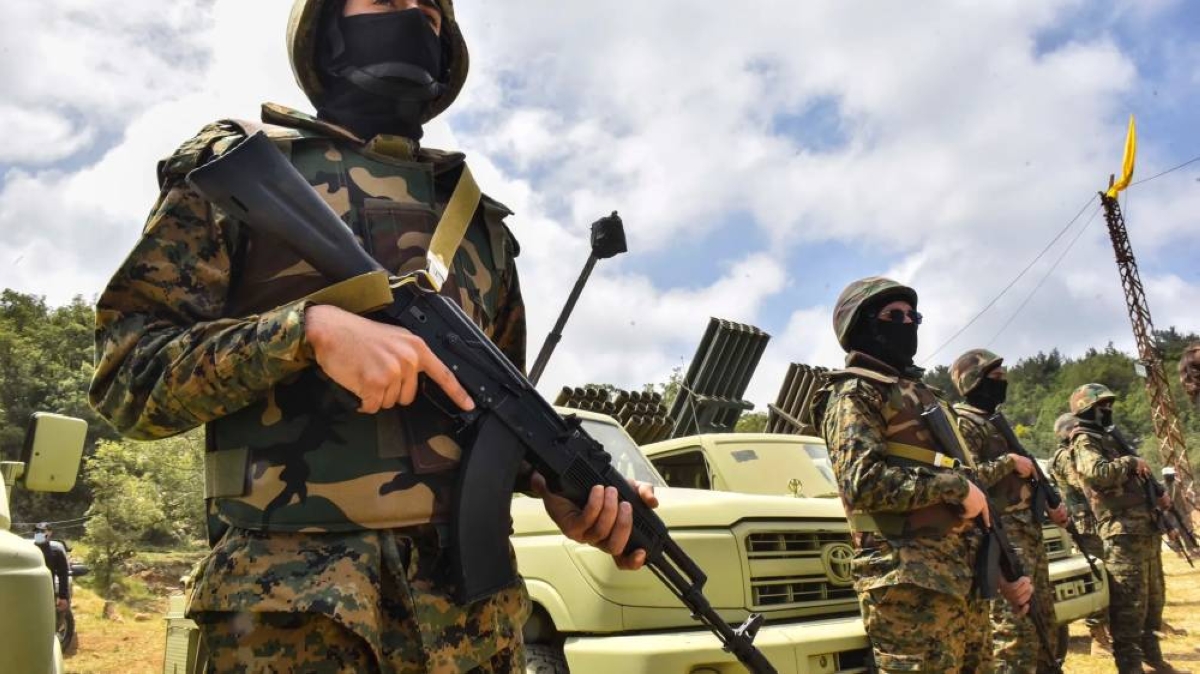
موقف رافض لأي نقاش حول سلاح حزب الله.


تابع قناة عكاظ على الواتساب
راوية حشمي (بيروت) HechmiRawiya@
In three consecutive visits to Beirut, American envoy Tom Barak sought to make a breakthrough in the complex Lebanese crisis, carrying clear messages about the limits of possible settlements and the real points of impasse.
However, what he brought back this time is no different from the previous two visits: Lebanon continues to echo the same phrases, clinging to the same conditions, and searching for headlines without delving into the depths of the dilemma.
Thus, Tom Barak's third round ended without a breakthrough, but it was not in vain. The man, coming from a precise position in managing the border demarcation file and solidifying political and security understandings in the region, did not come merely to listen, but to convey messages. What he heard in Beirut from repeated Lebanese positions was met with direct messages: time is running out, and the space for maneuver is narrowing.
Hezbollah has made its position clear: no surrender of weapons
Away from diplomatic niceties, the stance rejecting any discussion about Hezbollah's weapons has become public and clear, requiring no leaks or explanations. The recent positions of the party's officials, expressed through various media and political platforms, have established a fixed equation: no surrender of weapons, neither within the framework of an internal settlement nor under any external pressure.
This position, which is increasingly coming to light, did not go unnoticed by the American envoy Tom Barak, who seemed to realize that betting on concessions from within the ruling system in Lebanon would not lead to a real breakthrough as long as the "core file" is tightly closed. Here, a question arises that cannot be ignored: how can one talk about a settlement as long as the party's weapons are outside any negotiating or supervisory framework? Is there a way to achieve a real solution under this closed equation? According to leaks from the meetings, Barak heard from the three presidents, specifically from Nabih Berri, a firm position stating that Lebanon remains committed to demanding Israel's complete withdrawal from its territory, particularly the Shebaa Farms and Kfarshouba Hills, before discussing any security arrangements or reciprocal commitments.
Does the continued adherence to this position of "step for step" enhance the chances of negotiation? Or does it deepen the circle of stagnation? And is Lebanon ready to pay the price for this strategy in the near future?
Spinning in circles... and deadlines pass
The paradox is that Lebanon, while repeating the same diplomatic phrases to its visitors that it has been echoing for years, seems to have entered a vicious cycle from which it cannot escape, yet it also does not dare to break free.
While Washington demands tangible actions that reflect "Lebanon's seriousness" in adhering to the outcomes of Resolution 1701, the official stance still oscillates between clinging to sovereign rhetoric on one hand and refraining from any practical steps on the other, for fear of clashing with Hezbollah or upsetting the fragile equations revealed by the positions of Lebanese officials.
Barak leaves behind indicators... pressure is escalating
Barak's public words may be brief, but, as is customary in American visits, they conceal more than they reveal. According to intersecting media leaks, the American envoy informed several Lebanese officials that his country is closely monitoring the Lebanese government's performance in dealing with the issue of illegal weapons and will base its readiness to move forward in any settlement on this performance.
More importantly, Barak indirectly hinted at the possibility of reconsidering the level of American support for Lebanon if the stagnation continues, especially regarding the border demarcation file and controlling the southern front.
The window is narrowing and all possibilities are on the table
Barak's visit ended without announcing any new initiative or roadmap. However, it is noteworthy that Washington did not return the ball to Beirut this time from the negotiating perspective, but rather from the standpoint of "proving seriousness." Accordingly, the upcoming phase is open to two scenarios:
The first: the continuation of Lebanese stagnation amid the ruling forces' insistence on a dual discourse: sovereign in public, and evasive in depth, which may accelerate the adoption of more stringent Western positions towards the Lebanese state and its institutions.
The second: a regional reshuffling of cards, which some internal forces are betting on, starting from escalation on the northern front in Israel or developments in the Iranian scene, which would give Hezbollah an additional excuse to cling to its weapons and link them again to "strategic deterrence."
Is Lebanon waiting for a train that will not stop for it?
Lebanon today seems like one waiting for a regional settlement train for which it does not have the key to board, nor the courage to build its own train. It is neither negotiating seriously nor withdrawing from the lines of confrontation. Worse still, it believes that repeating positions is sufficient to change the facts. But Barak's recent messages came to confirm that the time for hesitation has ended, and that "deferred solutions" no longer convince anyone, neither in Washington nor in any influential capital.
No settlement without difficult decisions
In conclusion, Barak's visit did not bring any gifts but revealed the extent of the Lebanese impasse. Neither is the regional settlement fully mature, nor is the Lebanese interior capable of crafting its sovereign decision. The question that arises at the end of this round is: how many visits do international envoys need for Lebanon to be convinced that repeating positions does not create solutions?
However, what he brought back this time is no different from the previous two visits: Lebanon continues to echo the same phrases, clinging to the same conditions, and searching for headlines without delving into the depths of the dilemma.
Thus, Tom Barak's third round ended without a breakthrough, but it was not in vain. The man, coming from a precise position in managing the border demarcation file and solidifying political and security understandings in the region, did not come merely to listen, but to convey messages. What he heard in Beirut from repeated Lebanese positions was met with direct messages: time is running out, and the space for maneuver is narrowing.
Hezbollah has made its position clear: no surrender of weapons
Away from diplomatic niceties, the stance rejecting any discussion about Hezbollah's weapons has become public and clear, requiring no leaks or explanations. The recent positions of the party's officials, expressed through various media and political platforms, have established a fixed equation: no surrender of weapons, neither within the framework of an internal settlement nor under any external pressure.
This position, which is increasingly coming to light, did not go unnoticed by the American envoy Tom Barak, who seemed to realize that betting on concessions from within the ruling system in Lebanon would not lead to a real breakthrough as long as the "core file" is tightly closed. Here, a question arises that cannot be ignored: how can one talk about a settlement as long as the party's weapons are outside any negotiating or supervisory framework? Is there a way to achieve a real solution under this closed equation? According to leaks from the meetings, Barak heard from the three presidents, specifically from Nabih Berri, a firm position stating that Lebanon remains committed to demanding Israel's complete withdrawal from its territory, particularly the Shebaa Farms and Kfarshouba Hills, before discussing any security arrangements or reciprocal commitments.
Does the continued adherence to this position of "step for step" enhance the chances of negotiation? Or does it deepen the circle of stagnation? And is Lebanon ready to pay the price for this strategy in the near future?
Spinning in circles... and deadlines pass
The paradox is that Lebanon, while repeating the same diplomatic phrases to its visitors that it has been echoing for years, seems to have entered a vicious cycle from which it cannot escape, yet it also does not dare to break free.
While Washington demands tangible actions that reflect "Lebanon's seriousness" in adhering to the outcomes of Resolution 1701, the official stance still oscillates between clinging to sovereign rhetoric on one hand and refraining from any practical steps on the other, for fear of clashing with Hezbollah or upsetting the fragile equations revealed by the positions of Lebanese officials.
Barak leaves behind indicators... pressure is escalating
Barak's public words may be brief, but, as is customary in American visits, they conceal more than they reveal. According to intersecting media leaks, the American envoy informed several Lebanese officials that his country is closely monitoring the Lebanese government's performance in dealing with the issue of illegal weapons and will base its readiness to move forward in any settlement on this performance.
More importantly, Barak indirectly hinted at the possibility of reconsidering the level of American support for Lebanon if the stagnation continues, especially regarding the border demarcation file and controlling the southern front.
The window is narrowing and all possibilities are on the table
Barak's visit ended without announcing any new initiative or roadmap. However, it is noteworthy that Washington did not return the ball to Beirut this time from the negotiating perspective, but rather from the standpoint of "proving seriousness." Accordingly, the upcoming phase is open to two scenarios:
The first: the continuation of Lebanese stagnation amid the ruling forces' insistence on a dual discourse: sovereign in public, and evasive in depth, which may accelerate the adoption of more stringent Western positions towards the Lebanese state and its institutions.
The second: a regional reshuffling of cards, which some internal forces are betting on, starting from escalation on the northern front in Israel or developments in the Iranian scene, which would give Hezbollah an additional excuse to cling to its weapons and link them again to "strategic deterrence."
Is Lebanon waiting for a train that will not stop for it?
Lebanon today seems like one waiting for a regional settlement train for which it does not have the key to board, nor the courage to build its own train. It is neither negotiating seriously nor withdrawing from the lines of confrontation. Worse still, it believes that repeating positions is sufficient to change the facts. But Barak's recent messages came to confirm that the time for hesitation has ended, and that "deferred solutions" no longer convince anyone, neither in Washington nor in any influential capital.
No settlement without difficult decisions
In conclusion, Barak's visit did not bring any gifts but revealed the extent of the Lebanese impasse. Neither is the regional settlement fully mature, nor is the Lebanese interior capable of crafting its sovereign decision. The question that arises at the end of this round is: how many visits do international envoys need for Lebanon to be convinced that repeating positions does not create solutions?