


رداً على إعلان ألمانيا تقديم طلب لرئاسة مجلس الأمن الدولي بتفعيل «آلية الزناد» التي تقضي بفرض عقوبات على إيران، هدد المتحدث باسم الخارجية الإيرانية إسماعيل بقائي بأنها ستواجه برد مناسب من جانب طهران. وأكد أن التهديد باستخدام آلية الزناد (سناب باك) مجرد خطوة سياسية تهدف إلى التصعيد ضد إيران.
وقال بقائي خلال مؤتمر صحفي أسبوعي، اليوم (الإثنين)، إن آلية «سناب باك» ليس لها أي أساس قانوني أو سياسي، لافتاً إلى أن استهداف منشآت إيران النووية جعل اللجوء لآليات الاتفاق النووي غير منطقي.
وأضاف أن إيران لا تزال تعتبر نفسها طرفاً في الاتفاق النووي، وقد خفّضت التزاماتها رداً على الانتهاكات الجسيمة التي ارتكبتها الولايات المتحدة والأطراف الأخرى لبنود الاتفاق؛ وهو حق منصوص عليه صراحة في نص الاتفاق.
ولفت إلى أن «الأطراف الأوروبية التي تحاول باستمرار استخدام هذه الآلية كأداة ضغط، هي نفسها من انتهك التزاماتها الجوهرية والأساسية في الاتفاق النووي، ولم تنجح في تنفيذ التعهدات التي التزمت بها بموجب الاتفاق، وبالتالي فهي لا تحظى بأي شرعية قانونية أو أخلاقية للجوء إلى هذه الآلية».
واتهم المسؤول الإيراني ألمانيا بخرق التزاماتها في معاهدة عدم انتشار الأسلحة النووية، معتبراً أن الوكالة الدولية للطاقة الذرية تتعامل مع إيران بمعيار مزدوج.
وقال بقائي إن إيران تعتبر الدبلوماسية أداة استراتيجية، مضيفاً: «يجب ألا تكون الدبلوماسية مجالاً للخداع أو التظاهر. طهران دائماً تنضم إلى المفاوضات بحسن نية، وكانت جادة تماماً خلال مسار المفاوضات». وأفاد بأنه لم يتم تحديد موعد ومكان لمحادثات نووية مع الولايات المتحدة.
وكان المستشار الألماني فريدريش ميرتس أعلن (الأحد) أن بلاده ودولتين أوروبيتين أخريين ستقدم طلباً لرئاسة مجلس الأمن الدولي بتفعيل «آلية الزناد» (Snapback) ضد إيران. وقال ميرتس إنه سيجري إرسال الطلب غداً (الثلاثاء) وفق ما نقلت وسائل إعلام إيرانية.
ويتضمن قرار مجلس الأمن رقم 2231، الذي يدعم الاتفاق، بنداً يسمح بإعادة فرض العقوبات في حال انتهاك النص. فيما تنتهي صلاحية هذا البند في 18 أكتوبر.
وبموجب هذا القرار يمكن لأية «دولة مشاركة» في الاتفاق تفعيل هذه الآلية من خلال تقديم شكوى إلى مجلس الأمن بشأن «عدم امتثال كبير للالتزامات من جانب مشارك آخر». وفي غضون 30 يوماً من هذا «الإخطار» يتعين على المجلس التصويت على مشروع قرار لتأكيد رفع العقوبات. أما إذا كانت الدولة المشتكية تريد إعادة فرضها، فيمكنها استخدام حق النقض (الفيتو) ضد هذا القرار، ما يعيد فرض العقوبات تلقائياً.
رداً على عزم ألمانيا تفعيل العقوبات ضد طهران
إيران: «آلية الزناد» خطوة باتجاه التصعيد
14 يوليو 2025 - 13:05
|
آخر تحديث 14 يوليو 2025 - 13:05
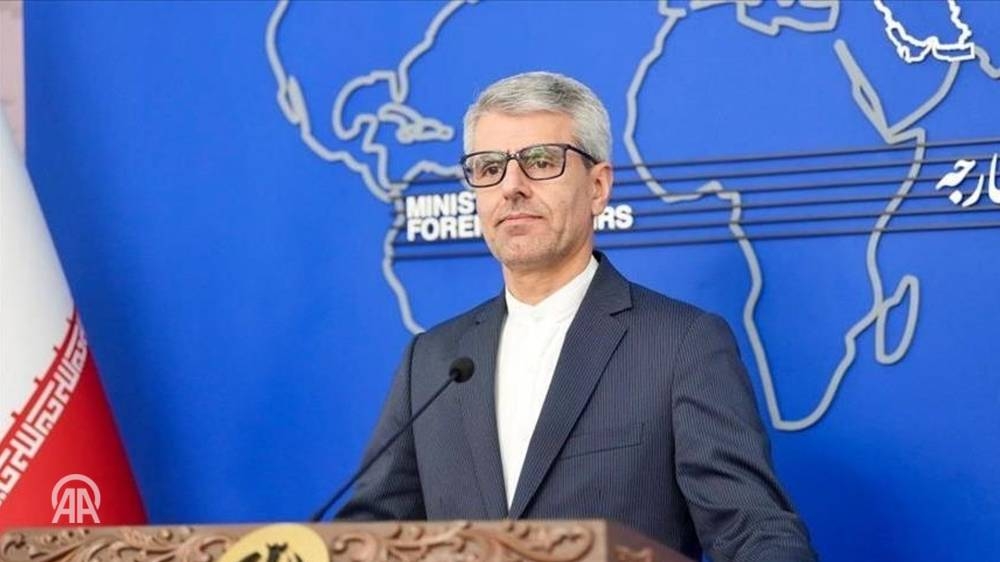
إسماعيل بقائي


تابع قناة عكاظ على الواتساب
«عكاظ» (طهران، جدة) okaz-online@
In response to Germany's announcement of a request to the presidency of the UN Security Council to activate the "snapback mechanism" that imposes sanctions on Iran, Iranian Foreign Ministry spokesman Ismail Baqaei threatened that Tehran would face an appropriate response. He emphasized that the threat to use the snapback mechanism is merely a political step aimed at escalating tensions against Iran.
During a weekly press conference today (Monday), Baqaei stated that the "snapback" mechanism has no legal or political basis, noting that targeting Iran's nuclear facilities has made resorting to the mechanisms of the nuclear agreement illogical.
He added that Iran still considers itself a party to the nuclear agreement and has reduced its commitments in response to the serious violations committed by the United States and other parties to the agreement; a right explicitly stated in the text of the agreement.
He pointed out that "the European parties that continuously try to use this mechanism as a pressure tool are the same ones that have violated their essential and fundamental commitments in the nuclear agreement and have failed to fulfill the commitments they undertook under the agreement, and thus they have no legal or moral legitimacy to resort to this mechanism."
The Iranian official accused Germany of violating its commitments under the Treaty on the Non-Proliferation of Nuclear Weapons, considering that the International Atomic Energy Agency deals with Iran with a double standard.
Baqaei stated that Iran views diplomacy as a strategic tool, adding: "Diplomacy should not be a field for deception or pretense. Tehran always joins negotiations in good faith and has been completely serious throughout the negotiation process." He noted that no date or location has been set for nuclear talks with the United States.
German Chancellor Friedrich Merz announced (on Sunday) that his country and two other European countries would submit a request to the presidency of the UN Security Council to activate the "snapback mechanism" against Iran. Merz stated that the request would be sent tomorrow (Tuesday), according to Iranian media reports.
UN Security Council Resolution 2231, which supports the agreement, includes a clause that allows for the re-imposition of sanctions in the event of a violation of the text. This clause expires on October 18.
Under this resolution, any "participating state" in the agreement can activate this mechanism by submitting a complaint to the Security Council regarding "significant non-compliance with obligations by another participant." Within 30 days of this "notification," the council must vote on a draft resolution to confirm the lifting of sanctions. If the complaining state wishes to re-impose them, it can use its veto power against this resolution, which would automatically reinstate the sanctions.
During a weekly press conference today (Monday), Baqaei stated that the "snapback" mechanism has no legal or political basis, noting that targeting Iran's nuclear facilities has made resorting to the mechanisms of the nuclear agreement illogical.
He added that Iran still considers itself a party to the nuclear agreement and has reduced its commitments in response to the serious violations committed by the United States and other parties to the agreement; a right explicitly stated in the text of the agreement.
He pointed out that "the European parties that continuously try to use this mechanism as a pressure tool are the same ones that have violated their essential and fundamental commitments in the nuclear agreement and have failed to fulfill the commitments they undertook under the agreement, and thus they have no legal or moral legitimacy to resort to this mechanism."
The Iranian official accused Germany of violating its commitments under the Treaty on the Non-Proliferation of Nuclear Weapons, considering that the International Atomic Energy Agency deals with Iran with a double standard.
Baqaei stated that Iran views diplomacy as a strategic tool, adding: "Diplomacy should not be a field for deception or pretense. Tehran always joins negotiations in good faith and has been completely serious throughout the negotiation process." He noted that no date or location has been set for nuclear talks with the United States.
German Chancellor Friedrich Merz announced (on Sunday) that his country and two other European countries would submit a request to the presidency of the UN Security Council to activate the "snapback mechanism" against Iran. Merz stated that the request would be sent tomorrow (Tuesday), according to Iranian media reports.
UN Security Council Resolution 2231, which supports the agreement, includes a clause that allows for the re-imposition of sanctions in the event of a violation of the text. This clause expires on October 18.
Under this resolution, any "participating state" in the agreement can activate this mechanism by submitting a complaint to the Security Council regarding "significant non-compliance with obligations by another participant." Within 30 days of this "notification," the council must vote on a draft resolution to confirm the lifting of sanctions. If the complaining state wishes to re-impose them, it can use its veto power against this resolution, which would automatically reinstate the sanctions.


