


دعا زعيم التيار الصدري في العراق مقتدى الصدر إلى تسليم السلاح للدولة العراقية وحل المليشيات، مجددا تأكيده على مقاطعة الانتخابات البرلمانية القادمة.
وفي رسالة نشرها عبر حسابه على منصة «إكس»، اليوم(الجمعة)، شدد على أنه يجب تقوية الجيش والشرطة واستقلال العراق وعدم تبعيته. وجدد الصدر تأكيده على مقاطعة الانتخابات البرلمانية القادمة، وكتب «مقاطعون».
وكان الصدر أعلن في أبريل الماضي مقاطعة الانتخابات، وقال الصدر رداً على رسالة من الرئيس العراقي عبداللطيف جمال رشيد، طلب فيها من الصدر العدول عن قرار عدم المشاركة في الانتخابات البرلمانية القادمة: «لن أشترك مع الفاسدين وأعداء الشعب وسأبقى جنديا من جنود العراق أمام كل ما يعصف به من بلاءات ومصائب».
وأضاف: «سأكون أول المدافعين عن العراق أمام التحديات من شرق وغرب لكي نعيش بلا فساد ولا تبعية ولا طائفية». وتابع: «إنني حينما أمرت بمقاطعة الانتخابات لم أكن أبغي تأجيلها أو إلغاءها على الإطلاق».
ومن المتوقع أن يخوض الانتخابات البرلمانية القادمة نحو 322 كيانا سياسيا أفرادا وتحالفات لانتخاب برلمان جديد هو السادس في تاريخ العراق، بعد سقوط حقبة الرئيس الراحل صدام حسين عام 2003.
وشرعت المفوضية العليا المستقلة للانتخابات في العراق بالعمل على تهيئة مستلزمات التصويت في الانتخابات القادمة المرجح أن يشارك فيها 30 مليون ناخب من أصل 46 مليون عراقي لانتخاب برلمان جديد يضم 329 نائبا.
وفي أبريل الماضي، صوت مجلس الوزراء العراقي، على تحديد 11 نوفمبر القادم موعدا لإجراء الانتخابات البرلمانية، بعد تحديث سجلات الناخبين، حيث يحق لنحو 30 مليون عراقي الإدلاء بأصواتهم.
جدد التأكيد على مقاطعة الانتخابات العراقية
الصدر يدعو إلى حل المليشيات وتسليم السلاح للدولة
4 يوليو 2025 - 14:26
|
آخر تحديث 4 يوليو 2025 - 14:26
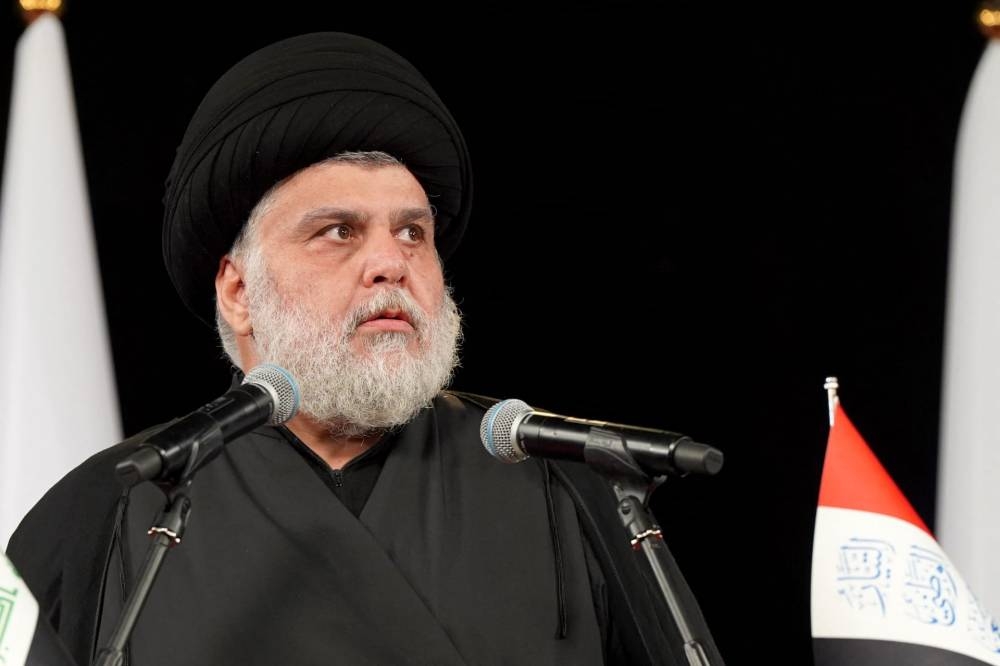
مقتدى الصدر


تابع قناة عكاظ على الواتساب
«عكاظ» (بغداد)okaz-online@
The leader of the Sadrist movement in Iraq, Muqtada al-Sadr, called for handing over weapons to the Iraqi state and disbanding militias, reiterating his stance on boycotting the upcoming parliamentary elections.
In a message published on his account on the "X" platform today (Friday), he emphasized the need to strengthen the army and police and to ensure Iraq's independence and non-dependence. Al-Sadr reaffirmed his boycott of the upcoming parliamentary elections, writing "We are boycotting."
Al-Sadr announced his boycott of the elections last April, responding to a message from Iraqi President Abdul Latif Jamal Rashid, who requested that al-Sadr reconsider his decision not to participate in the upcoming parliamentary elections: "I will not participate with the corrupt and the enemies of the people, and I will remain a soldier of Iraq in the face of all the calamities and disasters that beset it."
He added: "I will be among the first defenders of Iraq against challenges from the East and West so that we can live without corruption, dependency, or sectarianism." He continued: "When I ordered the boycott of the elections, I did not intend to postpone or cancel them at all."
It is expected that around 322 political entities, individuals, and alliances will participate in the upcoming parliamentary elections to elect a new parliament, the sixth in Iraq's history, following the fall of the late President Saddam Hussein's regime in 2003.
The Independent High Electoral Commission in Iraq has begun preparing the necessary voting requirements for the upcoming elections, in which approximately 30 million voters out of 46 million Iraqis are expected to participate to elect a new parliament consisting of 329 members.
Last April, the Iraqi Cabinet voted to set November 11 as the date for the parliamentary elections, following the updating of voter records, allowing around 30 million Iraqis to cast their votes.
In a message published on his account on the "X" platform today (Friday), he emphasized the need to strengthen the army and police and to ensure Iraq's independence and non-dependence. Al-Sadr reaffirmed his boycott of the upcoming parliamentary elections, writing "We are boycotting."
Al-Sadr announced his boycott of the elections last April, responding to a message from Iraqi President Abdul Latif Jamal Rashid, who requested that al-Sadr reconsider his decision not to participate in the upcoming parliamentary elections: "I will not participate with the corrupt and the enemies of the people, and I will remain a soldier of Iraq in the face of all the calamities and disasters that beset it."
He added: "I will be among the first defenders of Iraq against challenges from the East and West so that we can live without corruption, dependency, or sectarianism." He continued: "When I ordered the boycott of the elections, I did not intend to postpone or cancel them at all."
It is expected that around 322 political entities, individuals, and alliances will participate in the upcoming parliamentary elections to elect a new parliament, the sixth in Iraq's history, following the fall of the late President Saddam Hussein's regime in 2003.
The Independent High Electoral Commission in Iraq has begun preparing the necessary voting requirements for the upcoming elections, in which approximately 30 million voters out of 46 million Iraqis are expected to participate to elect a new parliament consisting of 329 members.
Last April, the Iraqi Cabinet voted to set November 11 as the date for the parliamentary elections, following the updating of voter records, allowing around 30 million Iraqis to cast their votes.


