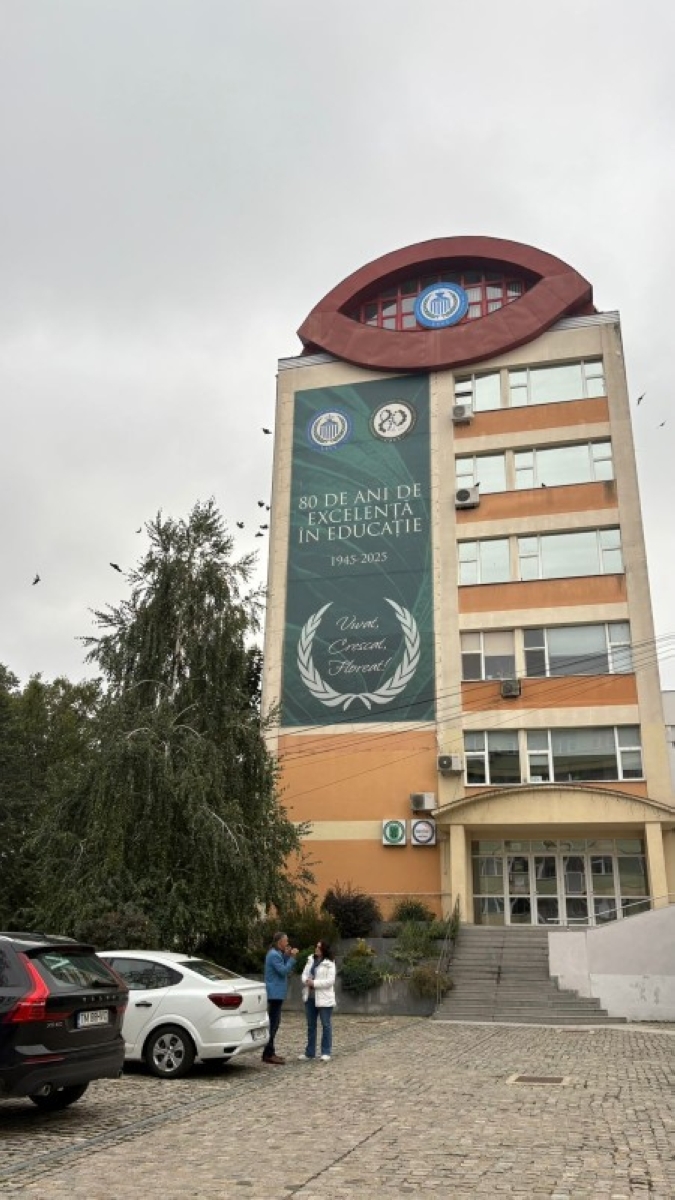
حصلت المخترعة السعودية شادن ناصر الفاضلي البلوي على الميدالية الذهبية والمركز الأول عالميا في معرض رومانيا الدولي للابتكارات 2025.
وأوضحت شادن البلوي لـ«عكاظ» أنها تطمح لأن تكون ضمن الكفاءات الوطنية التي تسهم في تطوير مجالات الطاقة والابتكار، مشيرة إلى أن مسيرتها العلمية تسير بخطى ثابتة نحو مستقبل أكثر استدامة.
وعن بدايتها تحدثت شادن الطالبة في السنة التحضيرية بكلية العلوم في جامعة الملك عبدالعزيز، عن رحلتها في الابتكار والبحث العلمي قائلة: بدأت عندما كنت طالبة في مؤسسة «موهبة»، إذ أجريت مقياس موهبة وتم تصنيفي طالبة موهوبة، ما أتاح لي الانضمام إلى فصول «موهبة» التي كانت نقطة انطلاق لشغفي بالبحث العلمي. ومن خلال هذه التجربة بدأت أتعرف على مجالات الابتكار والطاقة، ثم التحقت بعدة برامج بحثية وأكاديمية مكّنتني من اكتساب مهارات علمية متقدمة وأساليب التفكير البحثي. تلك البيئة الملهمة ساهمت في تشكيل فضولي العلمي، ودفعَتني للغوص في مجال الطاقة المستدامة الذي وجدت فيه فرصة لابتكار حلول واقعية تخدم البيئة وتسهم في مستقبل وطني الطموح.
وتشير شادن إلى عزمها على أن تتخصص في علم الكيمياء، وتحديدا في علم المواد، لأنه المجال الذي يجمع بين الإبداع العلمي والتطبيق العملي، «فالكيمياء تمنح الباحث قدرة على تصميم مواد جديدة تحدث فرقا في مجالات الطاقة والمياه والبيئة، وكثير من مشاريعي السابقة، مثل تطوير الطبقات الضوئية للخلايا الشمسية، كانت تعتمد على فهم سلوك المواد وتفاعلها مع الضوء، وهذا ما جعلني أختار هذا التخصص عن قناعة وشغف كبيرين».
المستحيل ليس سعودياً
وبشأن التحديات التي تجاوزتها، لفتت إلى أنها تتكئ على قاعدة السعوديين ضمن رؤية 2030 بأن «المستحيل ليس سعوديا»، ودعم وتمكين المرأة الذي أطلقه ولي العهد الأمير محمد بن سلمان الذي فتح آفاقا غير مسبوقة، «إذ إن قراراته الطموحة منحتنا نحن الشابات السعوديات الثقة والمساحة الحقيقية لنبدع ونثبت أن طاقاتنا قادرة على الإسهام في نهضة الوطن وتحقيق رؤيته الطموحة 2030».
وعن ابتكارها الذي حققت به الميدالية الذهبية والمركز الأول عالميا، قالت: مشروعي يقوم على تطوير طبقة ضوئية إضافية تُضاف إلى الخلايا الشمسية التقليدية، خصوصا تلك التي تعاني من ضعف الكفاءة في الإضاءة المنخفضة، وتعمل هذه الطبقة على تحسين امتصاص الضوء بنسبة تصل إلى 66% وقابلة للزيادة، وتحويله إلى طاقة باستخدام صبغات فلورية وبوليمرات مبتكرة تعزز من الأداء دون الحاجة لتغيير البنية الأساسية للخلية الشمسية، وما يميز الفكرة هو بساطتها، وفاعليتها العالية، وقابليتها للتطبيق العملي في البيئات المختلفة، إضافة إلى كونها قليلة التكلفة مقارنة بالحلول الأخرى، ما يجعلها ابتكارا قابلا للتطوير الصناعي مستقبلا.
رفع كفاءة الطاقة النظيفة
وأوضحت شادن البلوي أن الابتكار يسهم في تحقيق أهداف رؤية المملكة 2030 من خلال رفع كفاءة الطاقة النظيفة وتقليل الاعتماد على الوقود الأحفوري، كذلك زيادة كفاءة الخلايا الشمسية تعني إنتاج طاقة أكبر بتكلفة أقل، وهو ما ينعكس بشكل مباشر على المدن الذكية والمباني المستدامة، كما أنه يدعم جهود المملكة في الوصول إلى الحياد الصفري للكربون، ما يساهم في حماية البيئة وتحقيق مستقبل أكثر استدامة.
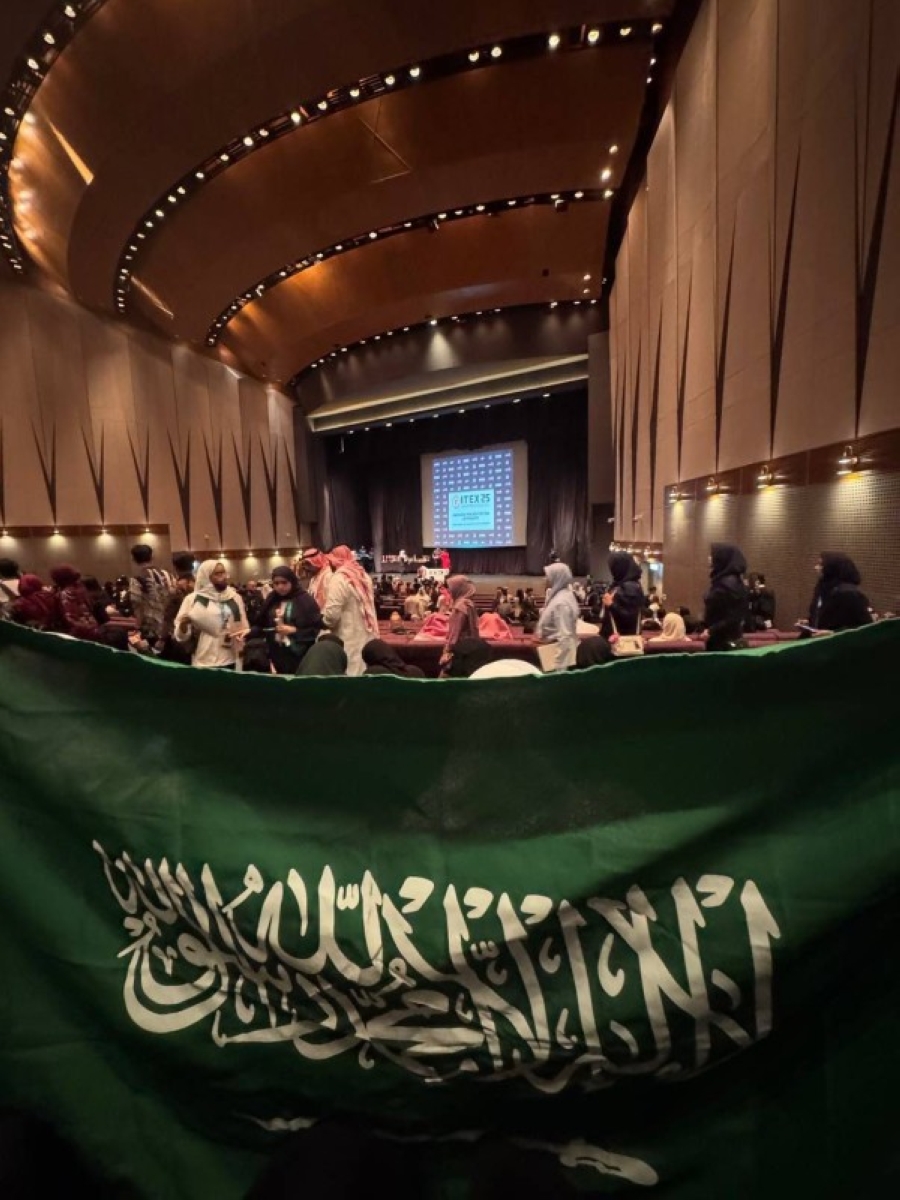
وأضافت: تجربتي في معرض رومانيا الدولي للابتكارات 2025، كانت فريدة لا تُنسى، مليئة بالفخر والاعتزاز وأنا أرى علم المملكة مرفوعا بين ممثلي أكثر من 40 دولة، كذلك اللقاءات والنقاشات مع باحثين من مختلف أنحاء العالم وسّعت مداركي وأكّدت لي أن الابتكار لغة عالمية تجمع الطموحين حول هدف واحد: تحسين الحياة على هذا الكوكب، وحصولي على الميدالية الذهبية والمركز الأول عالميا في مجال الطاقة المستدامة كان تتويجا لسنوات من الشغف والاجتهاد.
العمل على مشاريع جديدة
وعادت للقول: أعمل حاليا على عدة مشاريع جديدة في مجالات تنقية وتحلية المياه باستخدام مواد متقدمة، إلى جانب مشاريع في استدامة الفضاء والهيدروجين الأخضر، كما أن أحد مشاريعي بالتعاون مع فريقي BGK، الذي أتولى قيادته، حصل أخيرا على المركز الأول في هاكاثون الفضاء المقدم من جامعة الملك عبدالعزيز، ضمن مسار استدامة الفضاء. هذه الإنجازات تمنحني دافعا أكبر للاستمرار في الابتكار وتوسيع نطاق الأثر الإيجابي لأبحاثي داخل المملكة وخارجها.
The Saudi inventor Shaden Nasser Al-Fadhli Al-Blawi won the gold medal and first place globally at the Romania International Innovation Exhibition 2025.
Shaden Al-Blawi explained to "Okaz" that she aspires to be among the national talents contributing to the development of energy and innovation fields, noting that her academic journey is steadily progressing towards a more sustainable future.
Regarding her beginnings, Shaden, a student in the preparatory year at the Faculty of Science at King Abdulaziz University, spoke about her journey in innovation and scientific research, saying: "It started when I was a student at the 'Mawhiba' Foundation, where I took the Mawhiba test and was classified as a gifted student, which allowed me to join 'Mawhiba' classes that were the starting point for my passion for scientific research. Through this experience, I began to learn about the fields of innovation and energy, and then I joined several research and academic programs that enabled me to acquire advanced scientific skills and research thinking methods. That inspiring environment contributed to shaping my scientific curiosity and pushed me to dive into the field of sustainable energy, where I found an opportunity to innovate practical solutions that serve the environment and contribute to an ambitious national future.
Shaden indicates her determination to specialize in chemistry, specifically in materials science, as it is the field that combines scientific creativity and practical application. "Chemistry gives researchers the ability to design new materials that make a difference in energy, water, and environmental fields. Many of my previous projects, such as developing light-absorbing layers for solar cells, relied on understanding the behavior of materials and their interaction with light, which is why I chose this specialization with great conviction and passion."
The Impossible is Not Saudi
Regarding the challenges she has overcome, she pointed out that she relies on the foundation of Saudis within Vision 2030 that "the impossible is not Saudi," and the support and empowerment of women launched by Crown Prince Mohammed bin Salman, which opened unprecedented horizons. "His ambitious decisions have given us, young Saudi women, the confidence and the real space to innovate and prove that our energies can contribute to the nation's renaissance and achieve its ambitious Vision 2030."
About her innovation that earned her the gold medal and first place globally, she said: "My project is based on developing an additional light-absorbing layer added to traditional solar cells, especially those that suffer from low efficiency in low light. This layer improves light absorption by up to 66% and can be increased, converting it into energy using innovative fluorescent dyes and polymers that enhance performance without the need to change the basic structure of the solar cell. What distinguishes the idea is its simplicity, high effectiveness, and practical applicability in different environments, in addition to being low-cost compared to other solutions, making it an innovation that can be industrially developed in the future."
Enhancing Clean Energy Efficiency
Shaden Al-Blawi explained that the innovation contributes to achieving the goals of Saudi Arabia's Vision 2030 by enhancing the efficiency of clean energy and reducing dependence on fossil fuels. Also, increasing the efficiency of solar cells means producing more energy at a lower cost, which directly reflects on smart cities and sustainable buildings. It also supports the Kingdom's efforts to achieve carbon neutrality, contributing to environmental protection and achieving a more sustainable future.
She added: "My experience at the Romania International Innovation Exhibition 2025 was unique and unforgettable, filled with pride and honor as I saw the flag of the Kingdom raised among representatives from more than 40 countries. The meetings and discussions with researchers from around the world expanded my horizons and confirmed to me that innovation is a universal language that brings together the ambitious around one goal: improving life on this planet. My receiving the gold medal and first place globally in the field of sustainable energy was the culmination of years of passion and hard work."
Working on New Projects
She went on to say: "I am currently working on several new projects in the fields of water purification and desalination using advanced materials, along with projects in space sustainability and green hydrogen. Additionally, one of my projects in collaboration with my team BGK, which I lead, recently won first place in the space hackathon presented by King Abdulaziz University, within the space sustainability track. These achievements give me greater motivation to continue innovating and expanding the positive impact of my research both inside and outside the Kingdom."