


«طلع البدر علينا».. أنشودة مدنية تزرع البسمة في وجوه الزوار
1 يونيو 2025 - 01:48
|
آخر تحديث 1 يونيو 2025 - 01:48
Screen Shot 2025-05-31 at 6.28.53 PM-removebg-preview copy


تابع قناة عكاظ على الواتساب
عبدالهادي الصويان (المدينة المنورة) hil5557@
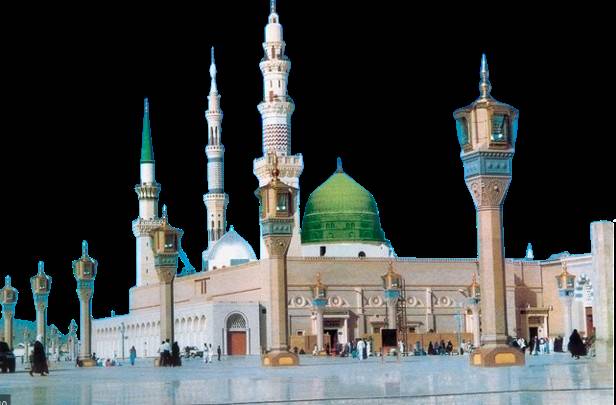
«طلع البدر علينا» من الأناشيد الإسلامية الأشهر في أصقاع الدنيا؛ كونها ترتبط بالسيرة المحمدية، ودوَّن التاريخ الأنشودة منذ أكثر من 1400 عام، ومنذ ذلك الوقت وحتى وقتنا الحاضر أصبحت رسالة ترحيب يرددها أهالي المدينة المنورة لضيوف الرحمن، إذ يستقبل الأهالي الحجاج بها عندما تحط أقدامهم على أرض المطار احتفاءً بقدومهم. والأنشودة الشهيرة اختلفت الروايات عن الذي انشدت فيه والمكان الذي قيلت فيه، فبعض الرواة قالوا: إنها قيلت عند استقبال الرسول الكريم صلى الله عليه وسلم عند قدومه إلى المدينة المنورة في هجرته من مكة المكرمة سنة 622م، عند وصوله إلى مسجد قباء، فيما ذهب البعض إلى أنها قيلت في استقباله عليه الصلاة والسلام عند عودته من غزوة تبوك وليست عند هجرته كما رواها البعض. وأشار المؤرخ الدكتور تنيضب الفايدي إلى أن أنشودة «طلع البدر علينا» نشيد إسلامي محبب للنفس، ويردده الأهالي للترحيب بالضيوف عند وصولهم إلى المدينة المنورة وتعطير مسامعهم بها ترحيباً بهم وتذكيرهم بالنبي عليه الصلاة والسلام الذي تشتاق أفئدتهم لزيارته. وعن الأنشودة وزمنها ومكانها قال الفايدي: «ما يقال بأن ثنيات الوداع جنوب قباء، غير صحيح. فالنشيد ظهر عند رجوع الرسول صلى الله عليه وسلم من غزوة تبوك، وليس في هجرته، لأن أول ما ظهر كان في القرن الرابع الهجري، أما في القرن الأول والثاني والثالث فلم يذكر نشيد، ولكن ذُكر الترحيب بالرسول عند نزوله على ناقته من قباء إلى موقع المسجد النبوي». وأضاف: «ثنيات الوداع معروفة في شمال المدينة المنورة، وهي ملاصقة لجبل سلع الذي أصبح داخلها، والثلاث ثنيات كانت معروفة وكان هناك مسجد يسمى مسجد الثنية، وجنوب قباء لا توجد ثنيات على الإطلاق». أما عضو النادي الأدبي الدكتور مروان المزيني فقال: «الأنشودة لوحة وجدانية مليئة بالأمكنة والخيالات الشعرية والعاطفة التي تتناغم مع الألفاظ في تراكيب انسيابية بسيطة سهلة الإيقاع لا يصعب حفظها أو إنشادها على الكبار والصغار. وأصبحت موروثاً أدبياً على نطاق واسع». وأضاف: «طلع البدر علينا ذات الـ300 كلمة هي تلك الكلمات التي ترمز إلى مشاعر اللهفة والشوق للضيف المنتظر على شكل أنشودة بشكل جماعي؛ فهي تحمل بين طياتها النشوة ولذة رؤية الضيف بعد اشتياق، وذلك عن طريق استخدام القصائد المنشدة التي تحمل في أبياتها المعاني المعبرة والصور المنشودة، عبر الأهازيج التي تعبر عما تصفه كلمات الأنشودة بألحان موروثة معروفة». وأضاف المزيني: «ما يفعله الأهالي في المدينة المنورة لضيوف الرحمن عند وصولهم لهو دافع الشوق لهم فتجدهم يستقبلونهم في المطار بأجمل عبارات الترحيب احتفاءً بهم».
"**The full moon has risen upon us**" is one of the most famous Islamic hymns in the corners of the world; it is associated with the life of the Prophet Muhammad. History has recorded this hymn for over 1400 years, and since that time until the present day, it has become a welcoming message that the people of Medina chant for the guests of the Most Merciful. The locals greet the pilgrims with it when their feet touch the ground at the airport, celebrating their arrival. The famous hymn has various accounts regarding when it was sung and the place where it was said. Some narrators stated that it was sung upon the reception of the noble Prophet, peace be upon him, when he arrived in Medina during his migration from Mecca in the year 622 AD, upon his arrival at the Quba Mosque, while others claimed it was sung in his reception upon his return from the Battle of Tabuk, not during his migration as some have narrated. Historian Dr. Tneidb Al-Faidi pointed out that the hymn "The full moon has risen upon us" is a beloved Islamic hymn, and the locals repeat it to welcome guests upon their arrival in Medina, perfuming their ears with it as a greeting and reminding them of the Prophet, peace be upon him, whom their hearts long to visit. Regarding the hymn, its time, and place, Al-Faidi said: "What is said about the Thaniyat Al-Wida' south of Quba is incorrect. The hymn appeared when the Prophet, peace be upon him, returned from the Battle of Tabuk, not during his migration, because it first appeared in the fourth century AH. In the first, second, and third centuries, no hymn was mentioned, but the welcome of the Prophet upon his descent from his camel from Quba to the location of the Prophet's Mosque was mentioned." He added: "The Thaniyat Al-Wida' is known in the north of Medina, adjacent to Mount Sal' which has become part of it, and the three Thaniyat were known, and there was a mosque called the Mosque of Thaniyah, and there are no Thaniyat at all south of Quba." Meanwhile, member of the Literary Club Dr. Marwan Al-Muzaini said: "The hymn is an emotional painting filled with places, poetic imaginations, and feelings that harmonize with the words in simple, flowing structures that are easy to memorize or chant by both adults and children. It has become a widely recognized literary heritage." He added: "The full moon has risen upon us, with its 300 words, symbolizes the feelings of eagerness and longing for the awaited guest in the form of a collective hymn; it carries within it the ecstasy and joy of seeing the guest after longing, through the use of sung poems that carry expressive meanings and desired images, via chants that reflect what the words of the hymn describe with well-known inherited melodies." Al-Muzaini added: "What the locals in Medina do for the guests of the Most Merciful upon their arrival is driven by their longing for them, as they greet them at the airport with the most beautiful welcoming phrases in celebration of them."


