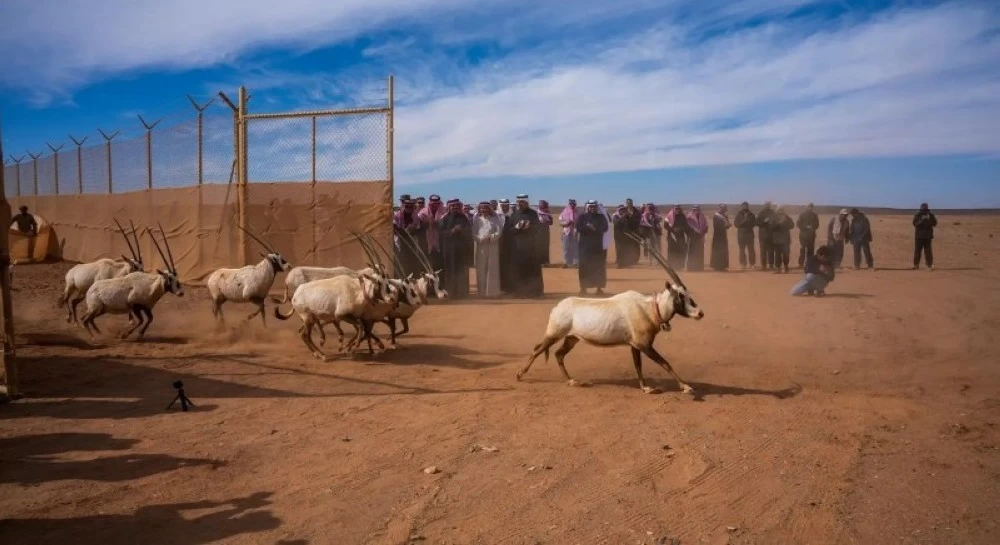
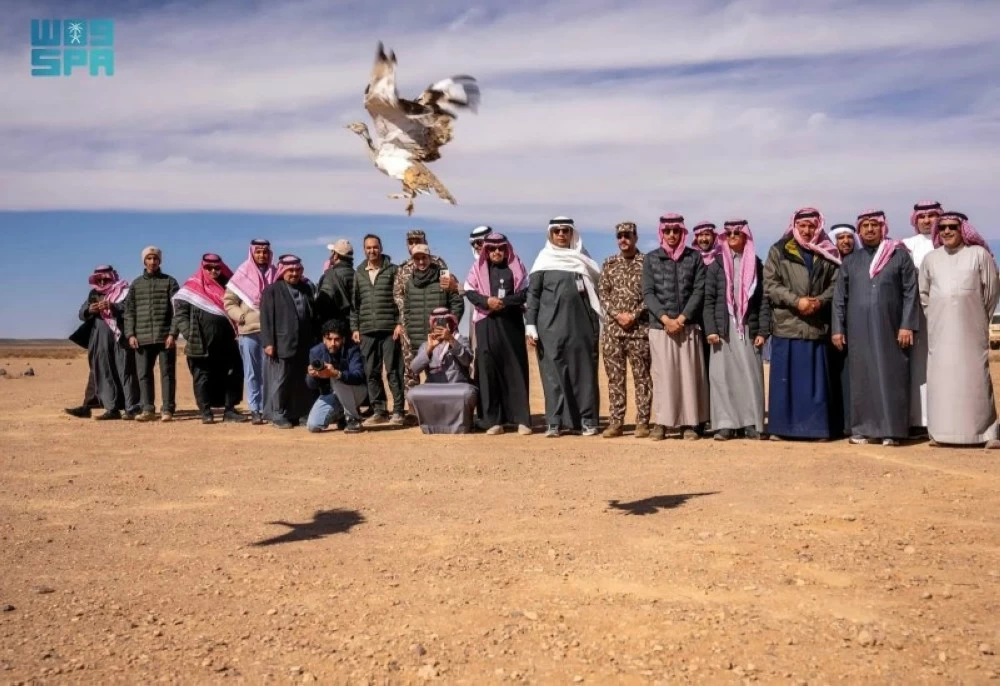
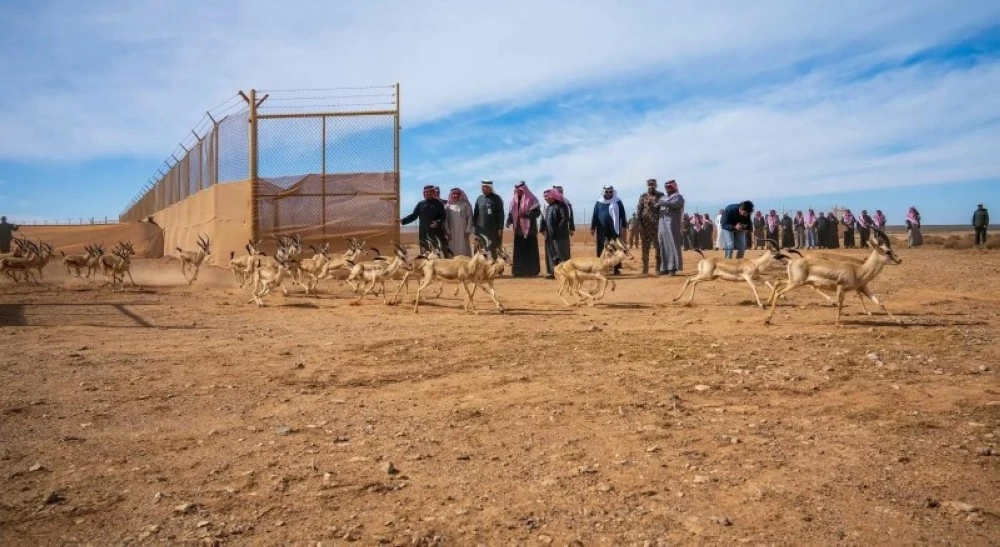
أطلق المركز الوطني لتنمية الحياة الفطرية، اليوم، بالتعاون مع هيئة تطوير محمية الملك سلمان بن عبدالعزيز الملكية، 140 كائنًا فطريًا في محمية الملك سلمان بن عبدالعزيز الملكية، بحضور مستشار رئيس مجلس إدارة هيئة تطوير المحمية الأمير متعب بن فهد بن فيصل، والرئيس التنفيذي لهيئة تطوير محمية الملك سلمان الملكية عبدالله العامر، ضمن برامج إعادة توطين الكائنات المهددة بالانقراض الهادفة إلى تعزيز التوازن البيئي واستعادة التنوع الأحيائي في الموائل الطبيعية.
وشمل الإطلاق 30 من المها الوضيحي، و70 من ظباء الريم، و40 من طيور الحبارى، ضمن جهود إعادة الأنواع الأصيلة إلى نطاقاتها البيئية الطبيعية، وبناء تجمعات فطرية مستقرة وقادرة على الاستمرار والتكاثر، بما يسهم في رفع كفاءة النظم البيئية وتعزيز استدامتها.
وأوضح الرئيس التنفيذي للمركز الوطني لتنمية الحياة الفطرية الدكتور محمد علي قربان أن عمليات الإطلاق تعد من أهم المنهجيات لاستعادة النظم البيئية وتحقيق مستهدفات مبادرة السعودية الخضراء، مشيرًا إلى أن النتائج التي تحققت من هذه الإطلاقات تعكس نضج وأهمية برامج الإكثار وإعادة التوطين، وتقدمها نحو توسيع نطاق استعادة الأنواع المحلية داخل المناطق المحمية.
وبين أن عمليات الإطلاق تُعد جزءًا من منظومة مؤسسية متكاملة تشمل الإكثار والتأهيل والإطلاق الميداني، وتُدار وفق منهجيات علمية ومعايير فنية معتمدة، بما يسهم في دعم استقرار الأنواع الفطرية الأصيلة ورفع كفاءة الموائل الطبيعية.
ويواصل المركز الوطني لتنمية الحياة الفطرية تنفيذ خططه الإستراتيجية الهادفة إلى تنمية الحياة الفطرية، حيث تجاوز إجمالي أعداد الكائنات الفطرية التي أُعيد توطينها ضمن برامجه التخصصية حاجز الـ10 آلاف كائن فطري، في مؤشر يعكس التقدم المتحقق في إدارة وحوكمة قطاع الحياة الفطرية على مستوى مناطق المملكة، وما تشهده من تطور منهجي، دعمًا لمرتكزات مبادرة السعودية الخضراء، واتساقًا مع مستهدفات رؤية المملكة 2030.
The National Center for Wildlife Development launched today, in collaboration with the King Salman bin Abdulaziz Royal Reserve Development Authority, 140 wildlife creatures in the King Salman bin Abdulaziz Royal Reserve, in the presence of the advisor to the Chairman of the Board of Directors of the Reserve Development Authority, Prince Muteb bin Fahd bin Faisal, and the CEO of the King Salman Royal Reserve Development Authority, Abdullah Al-Amir, as part of the programs for the reintroduction of endangered species aimed at enhancing ecological balance and restoring biodiversity in natural habitats.
The release included 30 Arabian Oryx, 70 Reem Gazelles, and 40 Houbara Bustards, as part of efforts to return native species to their natural ecological ranges and build stable and sustainable wildlife populations capable of reproduction, contributing to the efficiency of ecosystems and enhancing their sustainability.
The CEO of the National Center for Wildlife Development, Dr. Mohammed Ali Qurban, explained that the release operations are among the most important methodologies for restoring ecosystems and achieving the targets of the Saudi Green Initiative, noting that the results achieved from these releases reflect the maturity and importance of breeding and reintroduction programs, and their progress towards expanding the scope of restoring local species within protected areas.
He indicated that the release operations are part of an integrated institutional system that includes breeding, rehabilitation, and field release, managed according to scientific methodologies and approved technical standards, contributing to supporting the stability of native wildlife species and enhancing the efficiency of natural habitats.
The National Center for Wildlife Development continues to implement its strategic plans aimed at developing wildlife, as the total number of wildlife creatures that have been reintroduced within its specialized programs has exceeded 10,000 creatures, reflecting the progress achieved in the management and governance of the wildlife sector across the regions of the Kingdom, and the systematic development it is witnessing, in support of the foundations of the Saudi Green Initiative, and in alignment with the targets of Vision 2030.