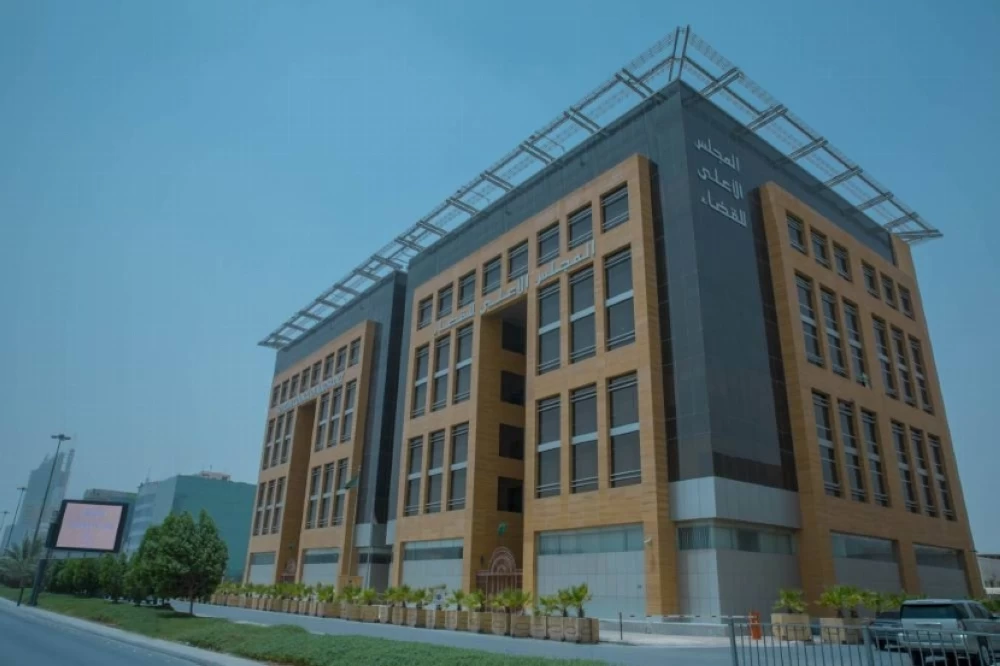
كشفت مصادر مطلعة لـ«عكاظ» أن قواعد عمل المكاتب الفنية، التي اعتمدها المجلس الأعلى للقضاء اخيرا، ترسم إطارًا مؤسسيًا لتنظيم أعمال الإعداد والمراجعة الفنية في المحاكم، من خلال تحديد المسؤوليات والمعايير المعتمدة، بما يسهم في رفع جودة الدراسات والمسودات القضائية، وتعزيز اتساق تطبيق الأنظمة والمبادئ القضائية.
واضافت المصادر ان التنظيم يمتد ليشمل مختلف درجات التقاضي؛ إذ يتولى مركز التهيئة أعمال الإعداد والمراجعة في محاكم الدرجة الأولى، فيما تضطلع المكاتب الفنية بأدوارها المساندة في محاكم الاستئناف والمحكمة العليا.
وبحسب ذات المصادر يتولى مكتب الشؤون الفنية بالمجلس الأعلى للقضاء متابعة جوانب الجودة ورصد الملاحظات الفنية والاستفادة منها في تطوير الأداء.
وتحدد القواعد مسؤوليات الجهات المعنية بالإعداد والمراجعة والاعتماد، بما يعزز وضوح الأدوار في مختلف مراحل العمل، ويضع معايير فنية تستند إلى دراسة وقائع القضية، ومراعاة النصوص النظامية والمبادئ القضائية ذات الصلة، والتحقق من استيفاء الدراسات والمسودات للمتطلبات المعتمدة والإجراءات اللازمة.
وأضافت المصادر: لا تتوقف المراجعة الفنية عند مرحلة إعداد الدراسات والمسودات، بل تمتد إلى الاستفادة من الملاحظات التي تظهر بعد صدور الأحكام واكتسابها القطعية، بما يتيح رصد جوانب القصور والأنماط المتكررة، وتحديد فرص التحسين وتطوير آليات العمل.
وفي جانب تطوير الكفاءات المهنية كشفت المصادر ان نتائج المراجعة ومؤشرات الأداء تسهم في تحديد الاحتياجات التدريبية للقضاة والباحثين، بالتنسيق مع مركز التدريب العدلي، للاستفادة من تلك النتائج في بناء البرامج التدريبية وتطوير القدرات المهنية وتحسين إجراءات العمل.
الاستعانة بالذكاء الاصطناعي
تتيح القواعد الاستعانة بتقنيات الذكاء الاصطناعي المعتمدة في أعمال الإعداد والمراجعة الفنية، بوصفها أدوات مساندة ضمن إطار مؤسسي منظم، بما يدعم كفاءة العمل والاستفادة من التقنيات الحديثة في تطوير الإجراءات.
ويعكس تنظيم عمل المكاتب الفنية توجهًا نحو تعزيز جودة العمل القضائي عبر تحديد المسؤوليات، ورفع كفاءة الإعداد والمراجعة، والاستفادة من الملاحظات ومؤشرات الأداء في التحسين المستمر، بما يدعم جودة المخرجات القضائية ويعزز كفاءة المنظومة.
Informed sources revealed to "Okaz" that the operational rules for technical offices, recently adopted by the Supreme Judicial Council, outline an institutional framework for organizing the preparation and technical review work in the courts, by defining responsibilities and approved standards, which contributes to enhancing the quality of judicial studies and drafts, and reinforcing the consistency in the application of regulations and judicial principles.
The sources added that the organization extends to include various levels of litigation; the Preparation Center is responsible for the preparation and review work in first-instance courts, while the technical offices play their supporting roles in appellate courts and the Supreme Court.
According to the same sources, the Technical Affairs Office at the Supreme Judicial Council is responsible for monitoring quality aspects, recording technical observations, and benefiting from them in performance development.
The rules define the responsibilities of the relevant parties involved in preparation, review, and approval, enhancing clarity of roles at various stages of work, and establishing technical standards based on the study of the case facts, taking into account the relevant regulatory texts and judicial principles, and verifying that studies and drafts meet the approved requirements and necessary procedures.
The sources added: The technical review does not stop at the stage of preparing studies and drafts, but extends to benefiting from observations that arise after judgments are issued and become final, allowing for the identification of shortcomings and recurring patterns, and determining opportunities for improvement and developing work mechanisms.
In terms of developing professional competencies, the sources revealed that the results of the review and performance indicators contribute to identifying the training needs of judges and researchers, in coordination with the Judicial Training Center, to utilize those results in building training programs, developing professional capabilities, and improving work procedures.
Utilizing Artificial Intelligence
The rules allow for the use of approved artificial intelligence technologies in the preparation and technical review work, as supportive tools within an organized institutional framework, which supports work efficiency and benefits from modern technologies in developing procedures.
This organization of the work of technical offices reflects a trend towards enhancing the quality of judicial work by defining responsibilities, improving the efficiency of preparation and review, and benefiting from observations and performance indicators in continuous improvement, which supports the quality of judicial outputs and enhances the efficiency of the system.