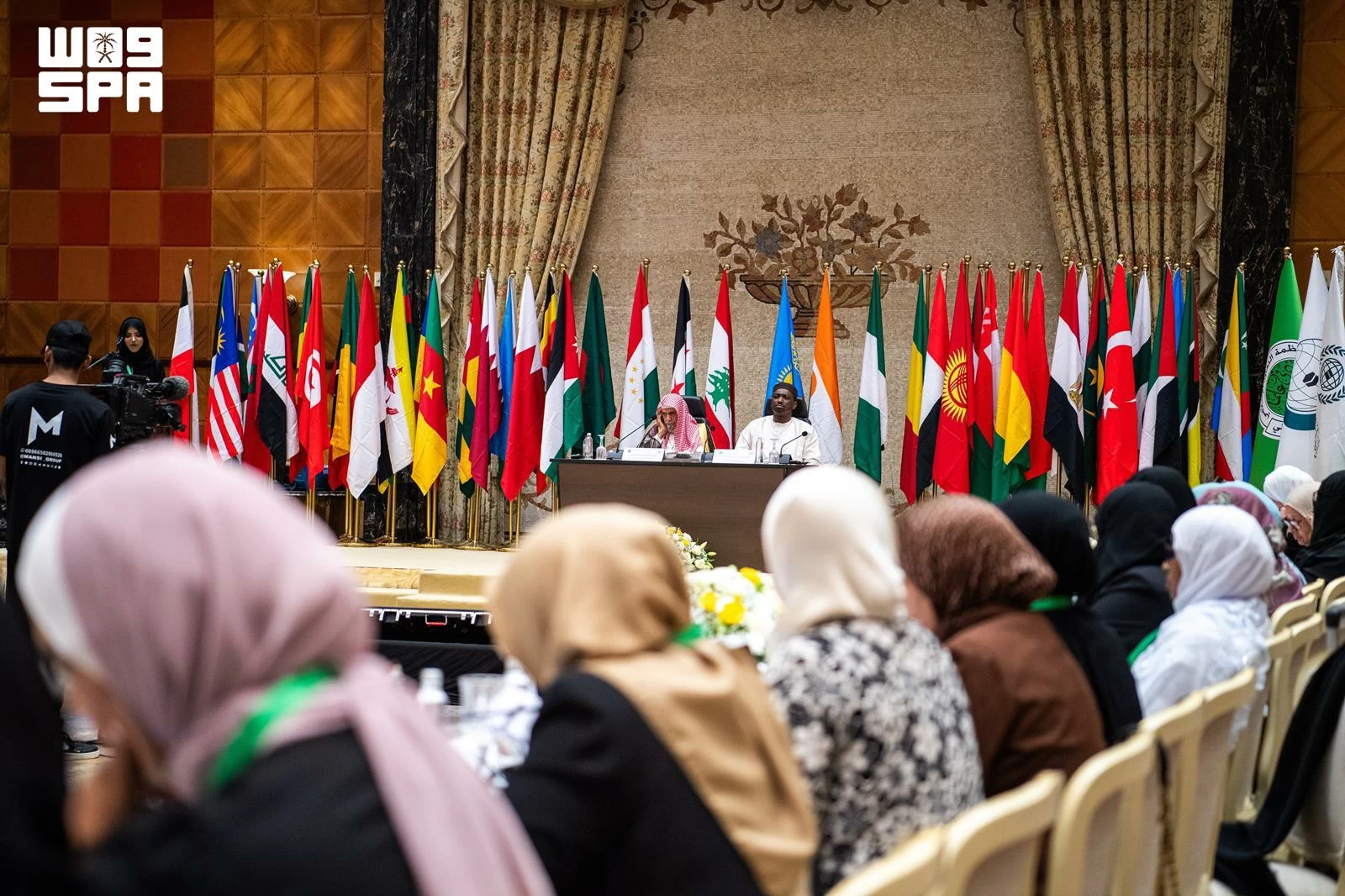
ناقشت ندوة «دور القيادات الدينية في مواجهة العنف ضد المرأة»، التي انطلقت أمس في جدة، سبل الوقاية من العنف ضد المرأة ومعالجته، وتصحيح المفاهيم المغلوطة المرتبطة ببعض النصوص الشرعية، وتعزيز دور القيادات الدينية في صناعة الوعي وحماية الأسرة وصون كرامة المرأة، وذلك بمشاركة نخبة من العلماء والباحثين والمتخصصين والقيادات الدينية.
وينظم الندوة مجمع الفقه الإسلامي الدولي بالتعاون مع رابطة العالم الإسلامي، واستهلت أعمالها باستعراض أبحاث ودراسات علمية تناولت أربعة محاور رئيسية، شملت مفهوم العنف وأسبابه وصوره، والمرجعيات الشرعية وتصحيح المفاهيم المغلوطة، والمقاربات المجتمعية والمؤسسية والإعلامية والدولية، إلى جانب دور القيادات الدينية في الوقاية من العنف ومعالجته.
وتناول الباحثون مفهوم العنف ضد المرأة وأسبابه وصوره، والمرجعيات الشرعية ذات الصلة بالقضية، وسبل تصحيح المفاهيم المغلوطة المرتبطة ببعض النصوص الشرعية، بما يسهم في تقديم معالجة علمية مؤصلة تستند إلى نصوص الكتاب والسنة وكليات الشريعة ومقاصدها، بعيدًا عن الإفراط والتفريط أو توظيف النصوص لتسويغ ممارسات تتعارض مع قيم العدل والرحمة والمعروف.
كما استعرضت الأبحاث المقاربات المجتمعية والمؤسسية والإعلامية والدولية لمواجهة العنف ضد المرأة، فيما بحث المحور الرابع دور القيادات الدينية في الوقاية والمعالجة، وتعزيز حضورها في صناعة الوعي وتصحيح المفاهيم وترشيد الممارسات وحماية الأسرة وصون كرامة المرأة من مختلف صور الاعتداء والإيذاء.
وشهدت الجلسات مناقشات موسعة حول الأبحاث والرؤى المقدمة، وإسهام الخطاب الديني في الوقاية من العنف ومواجهته، وسبل الربط بين التأصيل الشرعي والواقع المجتمعي، وصولًا إلى خطاب رشيد يحفظ للمرأة كرامتها، وللأسرة سكينتها، وللمجتمع أمنه واستقراره.
وتهدف الندوة إلى تأصيل مفهوم العنف ضد المرأة وضبطه شرعًا، وبيان صوره وأسبابه وآثاره، وتصحيح المفاهيم المغلوطة المتصلة ببعض النصوص الشرعية، وتعزيز دور القيادات الدينية في الوقاية منه ومواجهته، وبناء خطاب ديني يجمع بين أصالة الدليل ووعي الواقع وفقه النص وفقه التنزيل.
The seminar "The Role of Religious Leaders in Combating Violence Against Women," which commenced yesterday in Jeddah, discussed ways to prevent and address violence against women, correct misconceptions related to certain religious texts, and enhance the role of religious leaders in raising awareness, protecting families, and preserving the dignity of women. This was done with the participation of a select group of scholars, researchers, specialists, and religious leaders.
The seminar is organized by the International Islamic Fiqh Academy in collaboration with the Muslim World League, and its proceedings began with a review of research and scientific studies that addressed four main axes, including the concept of violence, its causes and forms, relevant religious references and correcting misconceptions, societal, institutional, media, and international approaches, in addition to the role of religious leaders in preventing and addressing violence.
The researchers discussed the concept of violence against women, its causes and forms, the relevant religious references related to the issue, and ways to correct the misconceptions associated with certain religious texts, contributing to a scientifically grounded treatment based on the texts of the Quran and Sunnah, the general principles of Sharia, and its objectives, away from excessiveness or negligence, or the misuse of texts to justify practices that contradict the values of justice, mercy, and what is known.
The research also reviewed societal, institutional, media, and international approaches to combating violence against women, while the fourth axis explored the role of religious leaders in prevention and treatment, enhancing their presence in raising awareness, correcting concepts, guiding practices, protecting families, and preserving the dignity of women from various forms of assault and harm.
The sessions witnessed extensive discussions on the presented research and visions, the contribution of religious discourse in preventing and confronting violence, and ways to link religious grounding with societal reality, leading to a sound discourse that preserves the dignity of women, the tranquility of families, and the security and stability of society.
The seminar aims to establish the concept of violence against women and regulate it according to Sharia, clarify its forms, causes, and effects, correct the misconceptions related to certain religious texts, enhance the role of religious leaders in preventing and confronting it, and build a religious discourse that combines the authenticity of evidence with awareness of reality, the jurisprudence of texts, and the jurisprudence of application.