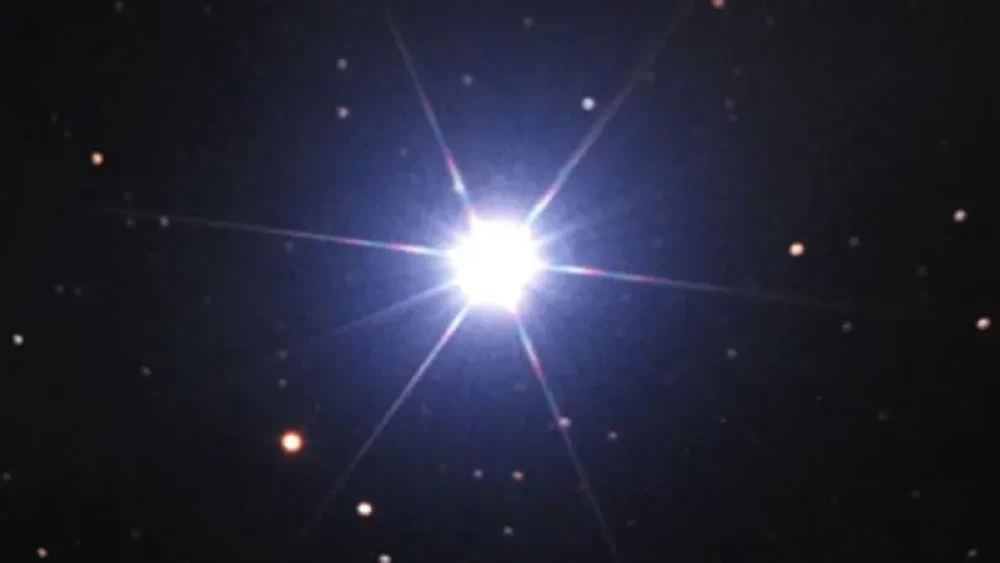
يترقب سكان الجزيرة العربية مع فجر (الإثنين) ظهور نجم سهيل منخفضاً فوق الأفق الجنوبي في واحدة من أشهر العلامات السماوية المرتبطة بتغير الموسم في المنطقة.
وأفاد رئيس الجمعية الفلكية بجدة المهندس ماجد أبو زاهرة أنه مع طلوع سهيل قبيل شروق الشمس، تبدأ مرحلة انتقالية يتراجع خلالها قيظ الصيف تدريجياً ويبدأ الليل بالاعتدال شيئاً فشيئاً، بينما تتغير زاوية سقوط أشعة الشمس مع اقتراب الأرض من موعد الاعتدال الخريفي.
وعدّ سهيل المعروف عالمياً باسم كانوبس ثاني ألمع نجم في السماء ليلاً بعد الشعرى اليمانية، ويبعد عن الأرض نحو 310 سنوات ضوئية وينتمي إلى كوكبة كارينا أو القاعدة. وحظي سهيل بمكانة خاصة لدى العرب منذ القدم، إذ كان ظهوره علامة موسمية يستدل بها أهل الجزيرة على دخول فترة جديدة من السنة وارتبط في الموروث الشعبي بتراجع شدة الحر وتغير الأجواء، لافتاً إلى أن ظهور سهيل لا يسبب تغير الطقس بحد ذاته، فالنجم بعيد جداً ولا يمتلك أي تأثير مناخي على الأرض، وإنما يتزامن ظهوره مع التغيرات السنوية الطبيعية الناتجة عن حركة الأرض حول الشمس وميل محورها.
وبيّن أبو زاهرة أن سهيل يظل غير مرئي من المناطق الواقعة شمال نحو 33 درجة شمالاً، بينما يمكن رصده من أجزاء واسعة من الجزيرة العربية، ويزداد وضوحه كلما اتجهنا جنوباً، فيما يحمل فجر 24 أغسطس موعداً فلكياً لعودة سهيل إلى السماء ليكون علامة سماوية على أن دورة الصيف بدأت تتجه تدريجياً نحو فصل الخريف.
The residents of the Arabian Peninsula are awaiting the dawn of (Monday) for the appearance of the star Suhail, low on the southern horizon, in one of the most famous celestial signs associated with seasonal changes in the region.
The head of the Astronomical Society in Jeddah, Engineer Majid Abu Zahra, stated that with the rising of Suhail just before sunrise, a transitional phase begins during which the heat of summer gradually recedes and the nights start to become more moderate little by little, while the angle of sunlight changes as the Earth approaches the time of the autumnal equinox.
Suhail, known globally as Canopus, is the second brightest star in the night sky after Sirius, located about 310 light-years from Earth and belonging to the constellation Carina or the Keel. Suhail has held a special status among Arabs since ancient times, as its appearance is a seasonal marker that the people of the peninsula use to indicate the onset of a new period of the year, and it is associated in popular heritage with the decline of intense heat and changes in the weather. He noted that the appearance of Suhail does not cause a change in the weather itself, as the star is very far away and has no climatic influence on Earth; rather, its appearance coincides with the natural annual changes resulting from the Earth's movement around the sun and the tilt of its axis.
Abu Zahra explained that Suhail remains invisible from areas located north of about 33 degrees north, while it can be observed from large parts of the Arabian Peninsula, becoming clearer as one moves south. The dawn of August 24 marks an astronomical date for the return of Suhail to the sky, serving as a celestial sign that the summer cycle is gradually shifting towards autumn.