كشفت وكالة الفضاء السعودية، في تقرير أصدرته حديثاً (اطلعت «عكاظ» عليه)، أن سماء المملكة على موعد مع 5 سنوات استثنائية، إذ تشهد الفترة حتى 2030، نحو 59 حدثاً فلكياً يمكن مشاهدتها، ووصفتها بظواهر استثنائية لا تفوت.
ووفقاً للرصد، فإن هناك 3 أحداث فلكية نادرة، تحدث مرة واحدة أو كل عدة أعوام ضمن نطاق إمكانية رصدها من السعودية، وتتميز بقيمة علمية ورصدية، إضافة إلى 20 حدثاً فلكياً تصنف بـ«مهم»، وتتميز عن الأحداث الفلكية المماثلة في قيمتها العلمية وتوقيت حدوثها وجودة تجربة رصدها من المملكة، إضافة إلى 36 حدثاً آخر تصنف بـ«الاعتيادية».
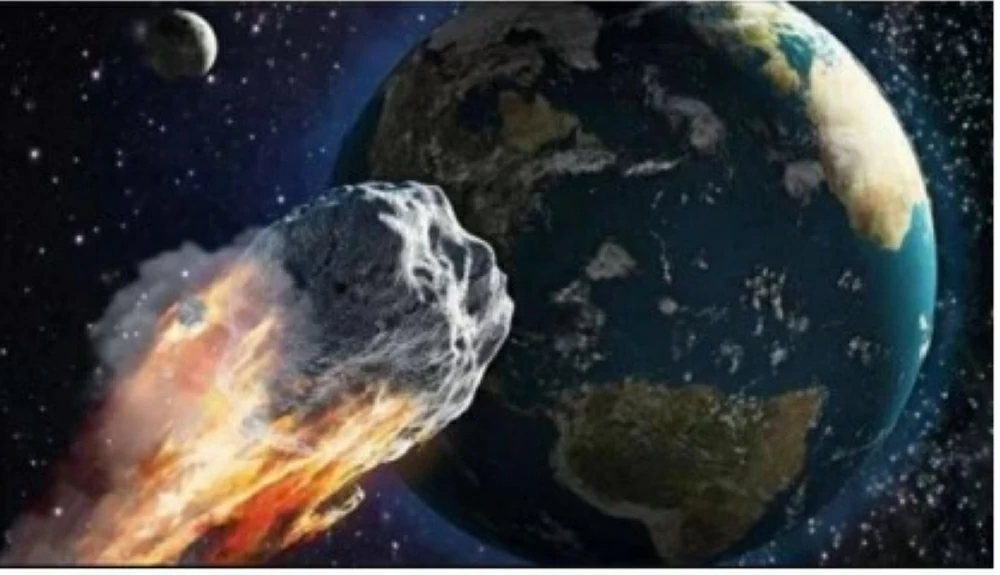
ووفقاً لوكالة الفضاء، فإن من ضمن الأحداث النادرة مرور «كويكب أبوفيس» بالقرب من الأرض في حدث فلكي نادر، في تاريخ 13 أبريل من 2029.
ومن الأحداث النادرة أيضاً والتي تبقى لها أقل من عام، وتحديداً في 2 أغسطس من 2027، «كسوف شمسي كلي»، إذ يحجب القمر قرص الشمس بالكامل في مشهد يحول النهار إلى ظلام لفترة قصيرة، ويمر مسار الكسوف الكلي عبر أجزاء من غرب وجنوب المملكة. أما الحدث النادر الأخير فيتمثل في «خسوف قمري كلي»، إذ سيعبر القمر بالكامل داخل ظل الأرض، وقد يظهر بلون أحمر نحاسي (دموي)، ويتزامن حدوثه مع ليلة رأس السنة، مما يجعله حدثاً مميزاً.
أما الأحداث المهمة فتوزعت على جميع السنوات، وأبرزها: «زخة شهب الأسديات، القمر العملاق (قمر القندس)، اقتران الزهرة وزحل».
ونصحت الوكالة الراغبين في الرصد الأمثل للأحداث الفلكية، بالابتعاد عن أضواء المدينة لرصد الشهب والمجرات في الصحراء والمرتفعات عند السماء الأشد ظلمة والأكثر صفاء، مع منح العينين بعض الوقت بحدود 20 دقيقة في الظلام لتتكيف وتلتقط الشهب الخافتة، وتجنب النظر لشاشة الجوال خلالها، مع عدم النظر إلى الشمس بشكل مباشر أثناء الكسوف الشمسي بالعين المجردة أو النظارات العادية، أما عند خسوف القمر فرصده آمن بشكل كامل.
The Saudi Space Agency revealed in a recently issued report (which "Okaz" reviewed) that the skies of the Kingdom are set for 5 exceptional years, as the period leading up to 2030 will witness about 59 astronomical events that can be observed, describing them as extraordinary phenomena not to be missed.
According to the observations, there are 3 rare astronomical events that occur once or every few years within the range of visibility from Saudi Arabia, characterized by their scientific and observational value, in addition to 20 events classified as "important," which stand out from similar astronomical events due to their scientific value, timing, and the quality of the observation experience from the Kingdom, along with 36 other events classified as "ordinary."
According to the space agency, among the rare events is the passage of "Asteroid Apophis" near Earth in a rare astronomical event on April 13, 2029.
Another rare event, which is less than a year away, is a "total solar eclipse" on August 2, 2027, where the moon completely obscures the sun's disk in a scene that turns day into darkness for a short period, with the path of the total eclipse passing through parts of western and southern Saudi Arabia. The last rare event is a "total lunar eclipse," where the moon will completely pass into the Earth's shadow and may appear copper-red (blood-colored), coinciding with New Year's Eve, making it a special event.
The important events are spread across all years, with the most notable being: "the Leonids meteor shower, the supermoon (beaver moon), and the conjunction of Venus and Saturn."
The agency advised those interested in optimal observation of astronomical events to stay away from city lights to observe meteors and galaxies in the desert and highlands under the darkest and clearest skies, allowing the eyes about 20 minutes in the dark to adjust and capture faint meteors, while avoiding looking at mobile screens during this time, and not looking directly at the sun during the solar eclipse with the naked eye or regular glasses; however, observing the lunar eclipse is completely safe.