أنهت هيئة التراث، بالتعاون مع الهيئة الملكية لمدينة الرياض وأمانة منطقة الرياض، تسجيل وترميز 180 معلماً للتراث العمراني الحديث في الرياض، ضمن جهودها الرامية إلى تسجيل التراث العمراني الحديث والمحافظة عليه، بوصفه أحد مكونات الهوية الثقافية للسعودية.
يضم المشروع مبانيَ ومنشآت تمثل محطات بارزة في تاريخ مدينة الرياض خلال القرن العشرين، وأسهمت في تشكيل ملامحها العمرانية، ووثقت مراحل نموها وتحولاتها التنموية، لتغدو شواهد معمارية تجسد الذاكرة الحضرية للعاصمة، وتعكس تطور أساليب البناء والتخطيط العمراني في تلك المرحلة.
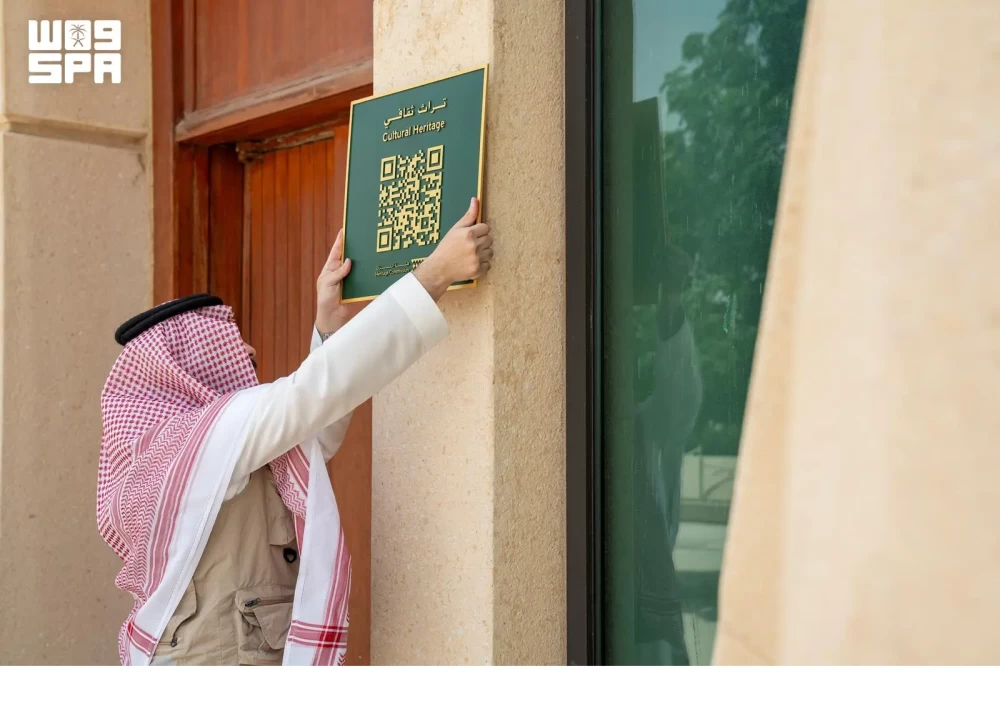
وتضمنت الأعمال توثيق المواقع وإدراجها في سجل التراث العمراني، وتركيب لوحات تعريفية موحدة تحمل رمزاً رقمياً (QR Code)، وذلك ما يسهم في التعريف بقيمتها التراثية، ويعزز من حضورها في المشهد الحضري.
ويأتي تسجيل هذه المواقع امتداداً لبرامج هيئة التراث في حصر وتوثيق جميع مواقع التراث العمراني في مختلف مناطق السعودية، بما يسهم في بناء سجل وطني يوثق قيمتها التاريخية والثقافية، ويدعم مستهدفات رؤية السعودية 2030 في المحافظة على التراث الوطني وإبرازه بوصفه مورداً ثقافياً وتنموياً.
يشار إلى أن التراث العمراني الحديث أحد مكونات التراث الثقافي الوطني، ويشمل المباني والمنشآت ذات القيمة التاريخية والمعمارية التي توثق مرحلة التحول العمراني الذي شهدته المملكة خلال القرن العشرين، وتعكس تطور أساليب البناء والتخطيط، وما ارتبط بها من أبعاد اجتماعية وثقافية واقتصادية، بما يجعلها جزءاً أصيلاً من الذاكرة العمرانية للمملكة.
The Heritage Authority, in collaboration with the Royal Commission for Riyadh City and the Riyadh Region Municipality, has completed the registration and coding of 180 modern urban heritage landmarks in Riyadh, as part of its efforts to document and preserve modern urban heritage, considering it one of the components of Saudi Arabia's cultural identity.
The project includes buildings and facilities that represent significant milestones in the history of Riyadh during the twentieth century, contributing to shaping its urban features and documenting its growth stages and developmental transformations, thus becoming architectural testimonies that embody the urban memory of the capital and reflect the evolution of construction methods and urban planning during that period.
The work included documenting the sites and listing them in the urban heritage register, as well as installing standardized informational panels bearing a digital code (QR Code), which contributes to highlighting their heritage value and enhances their presence in the urban scene.
The registration of these sites is an extension of the Heritage Authority's programs to catalog and document all urban heritage sites across various regions of Saudi Arabia, contributing to building a national register that documents their historical and cultural value and supports the objectives of Saudi Vision 2030 in preserving national heritage and showcasing it as a cultural and developmental resource.
It is noteworthy that modern urban heritage is one of the components of the national cultural heritage, encompassing buildings and facilities of historical and architectural value that document the urban transformation witnessed by the Kingdom during the twentieth century, reflecting the evolution of construction and planning methods, along with the associated social, cultural, and economic dimensions, making it an integral part of the Kingdom's urban memory.