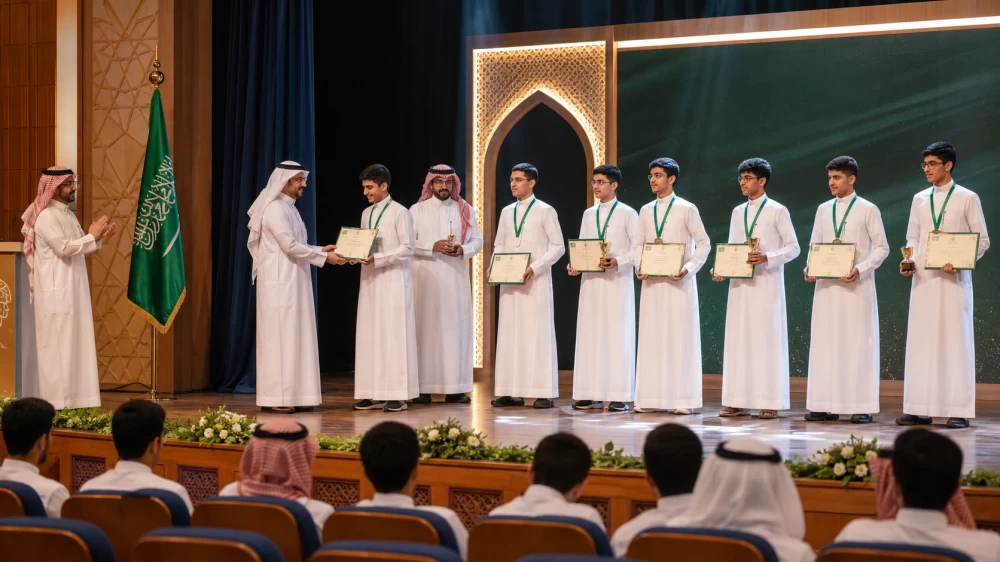
بعد موافقة مجلس الوزراء على نظام التعليم العام، وضع النظام إطارًا متكاملًا لاكتشاف حالات اضطراب النمو والسلوك مبكرًا، ودمج الطلاب ذوي الإعاقة، ورعاية الموهوبين، إلى جانب إتاحة تسريع انتقال الطلاب المتفوقين إلى مراحل تعليمية أعلى وفق معايير وتقويم شاملة.
كما منح النظام وزارة التعليم صلاحية وضع ضوابط لتسريع انتقال الطلاب المتفوقين من مرحلة تعليمية إلى مرحلة أعلى، شريطة وضع معايير واضحة لاختيار المؤهلين، وإخضاعهم لإجراءات تقويم شاملة، وتدريب المعلمين، والتنسيق مع أولياء الأمور؛ بما يضمن استمرار تفوق الطالب وقدرته على التكيف مع متطلبات المرحلة الجديدة.
وينقل النظام التعامل مع الفروق الفردية بين الطلاب من المبادرات المحدودة إلى التزام نظامي يبدأ بالاكتشاف المبكر، ويمتد إلى الدمج والرعاية المتخصصة والتسريع الدراسي.
كما ألزم النظام وزارة التعليم، بالتنسيق مع الجهات ذات العلاقة، باستحداث برامج للكشف المبكر عن حالات الاضطراب في النمو أو السلوك، واتخاذ الإجراءات اللازمة لكل حالة، بما يراعي حاجات الطالب الصحية والاجتماعية والتعليمية.
وفي مجال تعليم ذوي الإعاقة، أوجب النظام اتخاذ الإجراءات اللازمة لدمجهم في المؤسسات التعليمية، وتوفير الوسائل التعليمية المناسبة والتقنيات المساعدة والتكيّفية، مع تقويمهم بأساليب تراعي خصائصهم واحتياجاتهم وقدراتهم.
أما الطلاب الذين يتعذر دمجهم، فألزمت المادة 21 الوزارة بتوفير برامج ومراكز تعليمية متخصصة لهم، وتطوير برامج رقمية وعن بُعد، بما يضمن استمرار تعليمهم في الظروف المختلفة وعدم انقطاعهم عن الدراسة.
وفتح النظام مسارات أوسع لرعاية الموهوبين، من خلال إعداد برامج للتعرف عليهم وتطوير قدراتهم، وإنشاء فصول أو مدارس خاصة ومراكز تعليمية وعلمية إثرائية، إلى جانب تدريب المعلمين وتعزيز الشراكات مع الجامعات ومراكز الأبحاث.
After the Cabinet's approval of the general education system, the system established a comprehensive framework for the early detection of developmental and behavioral disorders, the integration of students with disabilities, and the care of gifted students, in addition to facilitating the acceleration of outstanding students to higher educational stages according to comprehensive standards and assessments.
The system also granted the Ministry of Education the authority to establish controls for the acceleration of outstanding students from one educational stage to a higher one, provided that clear criteria for selecting the qualified are established, subjecting them to comprehensive assessment procedures, training teachers, and coordinating with parents; ensuring the continued excellence of the student and their ability to adapt to the requirements of the new stage.
The system shifts the handling of individual differences among students from limited initiatives to a systematic commitment that begins with early detection and extends to integration, specialized care, and academic acceleration.
The system also obligated the Ministry of Education, in coordination with relevant entities, to create programs for the early detection of cases of developmental or behavioral disorders and to take the necessary actions for each case, taking into account the student's health, social, and educational needs.
In the field of education for individuals with disabilities, the system required the necessary measures to integrate them into educational institutions and to provide appropriate educational means and assistive and adaptive technologies, with assessments conducted in ways that consider their characteristics, needs, and abilities.
As for students who cannot be integrated, Article 21 obligated the ministry to provide specialized educational programs and centers for them, and to develop digital and remote programs, ensuring their continued education under various circumstances and preventing them from dropping out of school.
The system opened wider pathways for the care of gifted students by preparing programs to identify them and develop their abilities, establishing special classes or schools and enrichment educational and scientific centers, in addition to training teachers and enhancing partnerships with universities and research centers.