جسدت جامعة الإمام عبدالرحمن بن فيصل دورها الوطني في دعم مستهدفات التنمية المستدامة، من خلال إسهامها بثماني مبادرات نوعية ضمن تقرير الاستعراض الوطني الطوعي الثالث للمملكة العربية السعودية لعام 2026، الذي قُدم في المنتدى السياسي رفيع المستوى بشأن التنمية المستدامة بمقر الأمم المتحدة في مدينة نيويورك، مستعرضًا أبرز الجهود الوطنية في تحقيق أهداف التنمية المستدامة 2030، في تأكيد على المكانة التي تحظى بها المملكة دوليًا في هذا المجال.
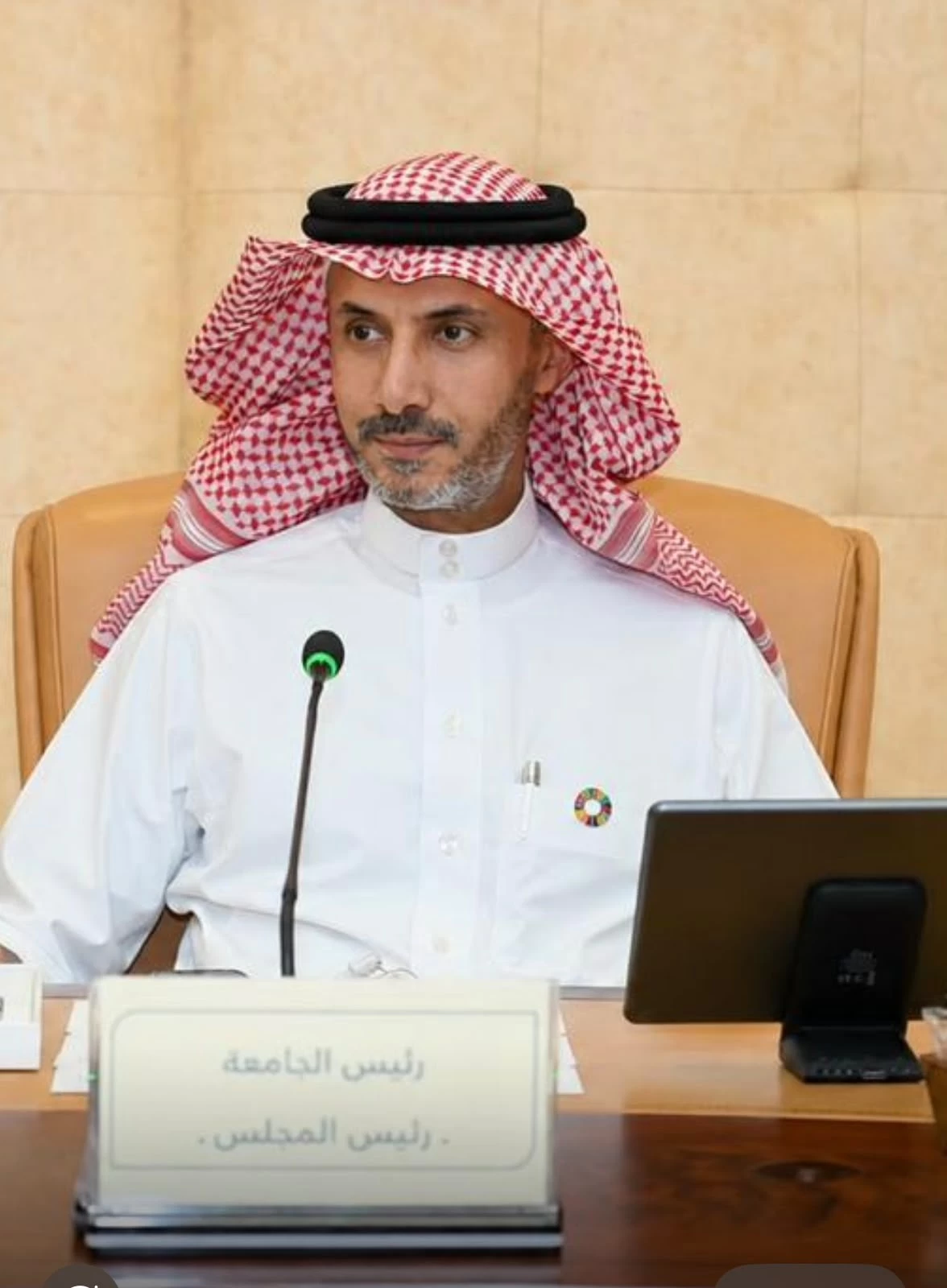
وذكر رئيس جامعة الإمام عبدالرحمن بن فيصل الأستاذ الدكتور فهد بن أحمد الحربي أن مشاركة الجامعة في إعداد التقرير تمثل امتدادًا لدورها الوطني، وتجسد إسهامها إلى جانب مختلف قطاعات الدولة في دعم مسيرة التنمية الشاملة، بما ينسجم مع مستهدفات رؤية المملكة 2030 وأهداف التنمية المستدامة.
وأوضح أن الجامعة شاركت في التقرير عبر ثماني مبادرات ذات أثر ملموس في مجالات التعليم، والابتكار، وخدمة المجتمع، ودعم الاقتصاد الوطني، والعمل المناخي، وذلك من خلال مشروعها المؤسسي السنوي «مستدام»، الذي يعزز دمج أهداف التنمية المستدامة في منظومة الجامعة، ويكرسها في التعليم، والبحث العلمي، والابتكار، وخدمة المجتمع، بما يسهم في تحقيق تنمية مستدامة ذات أثر طويل المدى.
وأشار د. الحربي إلى أن ما قدمته الجامعة في التقرير الوطني هو ثمرة عمل مؤسسي متواصل، ارتكز على تطوير البرامج الأكاديمية والبحثية، وإطلاق المبادرات المجتمعية، وبناء الشراكات الإستراتيجية، بما يسهم في مواجهة التحديات التنموية وتعزيز الأثر الإيجابي، مؤكدًا أن التنمية المستدامة تمثل إحدى الركائز الرئيسية في الخطة الإستراتيجية الثالثة للجامعة.
وأضاف أن انضمام الجامعة إلى تحالف الجامعات ومؤسسات التعليم العالي لتحقيق أهداف التنمية المستدامة (LEAP-FAST)، الذي تقوده منظمة الأمم المتحدة للتربية والعلم والثقافة (اليونسكو)، يعكس التزامها بتعزيز حضورها الدولي، وتوسيع شراكاتها العالمية، وتبادل الخبرات وأفضل الممارسات مع المؤسسات الأكاديمية الرائدة، بما يدعم جهود المملكة ويعزز إسهام الجامعة في تحقيق أهداف التنمية المستدامة على المستويين المحلي والدولي، مؤكداً في الوقت نفسه أن الجامعة ستواصل تطوير مبادراتها وبرامجها النوعية، وتعزيز التكامل بين التعليم والبحث العلمي والابتكار وخدمة المجتمع، بما يحقق أثرًا تنمويًا مستدامًا، ويسهم في دعم مسيرة المملكة نحو مستقبل أكثر ازدهارًا واستدامة، ويعزز مكانتها الريادية على الساحة الدولية في مجال التنمية المستدامة.
من جانبه، ذكر نائب رئيس الجامعة للتطوير والشراكة المجتمعية الأستاذ الدكتور عاصم بن عبدالرحمن الأنصاري أن وكالة الجامعة للتطوير والشراكة المجتمعية، ممثلةً بوحدة التنمية المستدامة، تولت أعمال إعداد وتنسيق مشاركة الجامعة في تقرير الاستعراض الوطني الطوعي الثالث للمملكة لعام 2026، من خلال حصر وتوثيق المبادرات والبرامج والممارسات المؤسسية، ومواءمتها مع أهداف التنمية المستدامة، بالتعاون مع مختلف الكليات والعمادات والإدارات.
وأضاف أن هذا الجهد المؤسسي أسفر عن إبراز ثماني مبادرات نوعية للجامعة في التقرير الوطني، عكست أثرها في مجالات التنمية الاجتماعية والاقتصادية والبيئية، وأكدت تكامل أدوار قطاعات الجامعة في دعم مستهدفات رؤية المملكة 2030.
وأشار إلى أن وحدة التنمية المستدامة تواصل جهودها في ترسيخ ثقافة الاستدامة داخل الجامعة، وقيادة عمليات الرصد والتوثيق وقياس الأثر، وتعزيز الشراكات المحلية والدولية، بما يسهم في إبراز تجربة الجامعة كنموذج وطني رائد في تحقيق أهداف التنمية المستدامة، ويعكس مكانتها بوصفها إحدى الجامعات السعودية الفاعلة في دعم مسيرة التنمية المستدامة على المستويين الوطني والعالمي.
The Imam Abdulrahman bin Faisal University has embodied its national role in supporting the targets of sustainable development through its contribution of eight qualitative initiatives within the third voluntary national review report of the Kingdom of Saudi Arabia for the year 2026, which was presented at the high-level political forum on sustainable development at the United Nations headquarters in New York City, showcasing the most prominent national efforts in achieving the Sustainable Development Goals 2030, affirming the position that the Kingdom holds internationally in this field.
The President of Imam Abdulrahman bin Faisal University, Professor Dr. Fahd bin Ahmed Al-Harbi, stated that the university's participation in preparing the report represents an extension of its national role, reflecting its contribution alongside various state sectors in supporting the comprehensive development journey, in alignment with the targets of the Kingdom's Vision 2030 and the Sustainable Development Goals.
He explained that the university participated in the report through eight initiatives that have a tangible impact in the fields of education, innovation, community service, national economic support, and climate action, through its annual institutional project "Sustainable," which enhances the integration of Sustainable Development Goals into the university's system, and solidifies them in education, scientific research, innovation, and community service, contributing to achieving sustainable development with a long-term impact.
Dr. Al-Harbi pointed out that what the university presented in the national report is the result of continuous institutional work, focused on developing academic and research programs, launching community initiatives, and building strategic partnerships, contributing to addressing developmental challenges and enhancing positive impact, emphasizing that sustainable development represents one of the main pillars in the university's third strategic plan.
He added that the university's joining of the alliance of universities and higher education institutions to achieve the Sustainable Development Goals (LEAP-FAST), led by the United Nations Educational, Scientific and Cultural Organization (UNESCO), reflects its commitment to enhancing its international presence, expanding its global partnerships, and exchanging experiences and best practices with leading academic institutions, supporting the Kingdom's efforts and enhancing the university's contribution to achieving the Sustainable Development Goals at both local and international levels, while also affirming that the university will continue to develop its initiatives and qualitative programs, and enhance the integration between education, scientific research, innovation, and community service, achieving a sustainable developmental impact, contributing to supporting the Kingdom's journey towards a more prosperous and sustainable future, and enhancing its pioneering position on the international stage in the field of sustainable development.
For his part, the Vice President of the university for Development and Community Partnership, Professor Dr. Asim bin Abdulrahman Al-Ansari, mentioned that the university's Agency for Development and Community Partnership, represented by the Sustainable Development Unit, undertook the preparation and coordination of the university's participation in the third voluntary national review report of the Kingdom for the year 2026, by cataloging and documenting initiatives, programs, and institutional practices, aligning them with the Sustainable Development Goals, in cooperation with various colleges, deanships, and administrations.
He added that this institutional effort resulted in highlighting eight qualitative initiatives for the university in the national report, reflecting their impact in the fields of social, economic, and environmental development, and confirming the integration of the roles of the university's sectors in supporting the targets of the Kingdom's Vision 2030.
He pointed out that the Sustainable Development Unit continues its efforts to establish a culture of sustainability within the university, leading monitoring, documentation, and impact measurement processes, and enhancing local and international partnerships, contributing to showcasing the university's experience as a leading national model in achieving the Sustainable Development Goals, and reflecting its position as one of the active Saudi universities in supporting the sustainable development journey at both national and global levels.