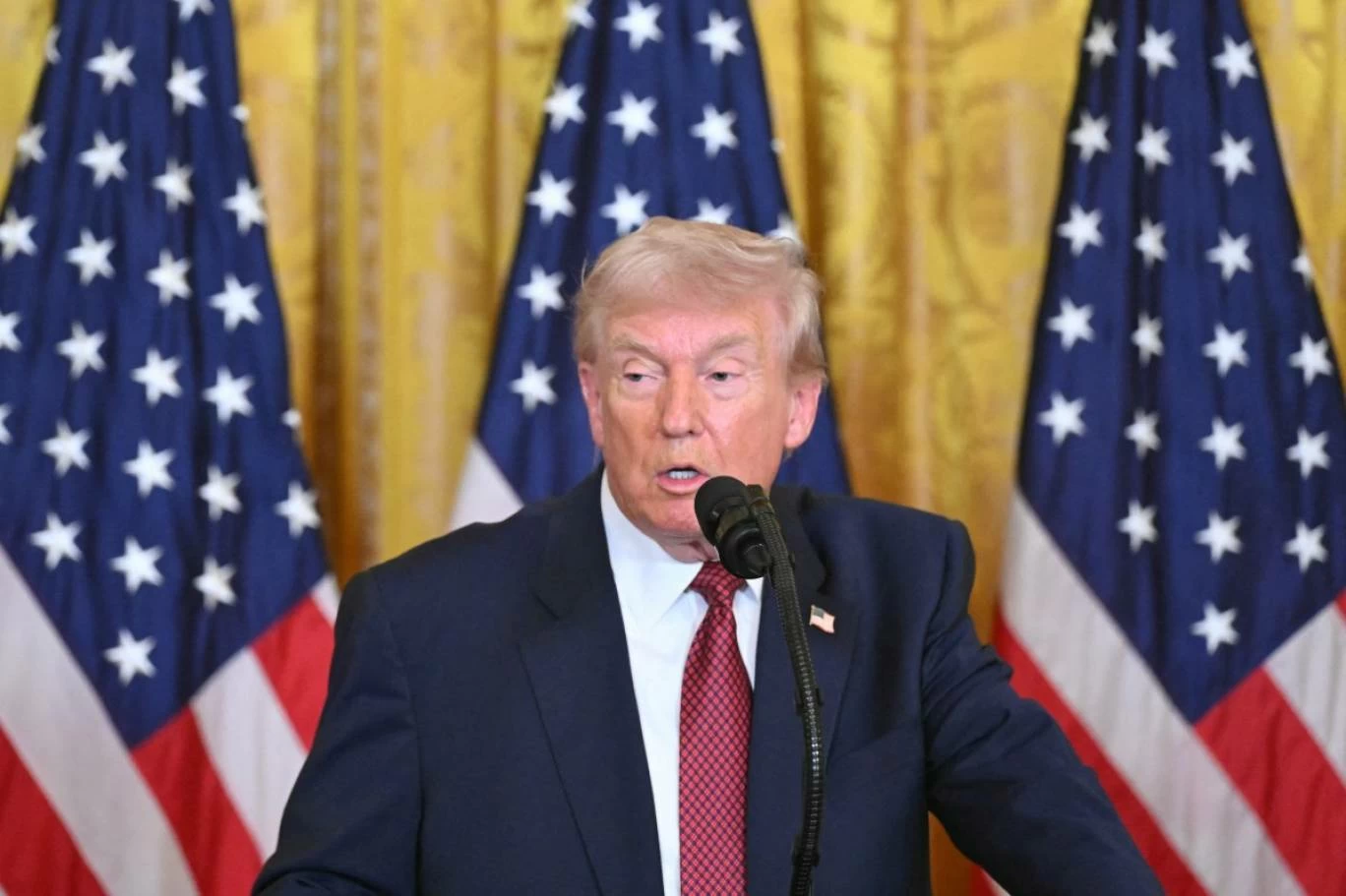
أثارت خطة إدارة الرئيس الأمريكي دونالد ترمب لإقامة ترتيبات أمنية جديدة على مستوى أوروبا، بالتعاون مع روسيا، تحفظات لدى العواصم الأوروبية، التي تخشى تهميش دورها في رسم مستقبل أمن القارة، ومنح موسكو نفوذاً في صياغة هذه الترتيبات، في وقت تضغط واشنطن لاستئناف المفاوضات الرامية إلى إنهاء حرب أوكرانيا.
واعتبرت مجلة «بوليتيكو» الأوروبية أن المبادرة لا تزال محاطة بالغموض، إذ نقلت عن ثلاثة دبلوماسيين في حلف شمال الأطلسي «الناتو» قولهم: إن الدول الأعضاء لم تُبلّغ مسبقاً بتفاصيل الخطة، فيما أبدى عدد من المسؤولين الأوروبيين تشككهم في أهدافها وتداعياتها.
وكان ترمب وصف المبادرة عقب اجتماعه مع المبعوث الروسي كيريل دميترييف، بأنها اتفاق «كبير وجميل»، مشيراً إلى أنها لن تقتصر على أوكرانيا، بل قد تمتد لتشمل أوروبا بأكملها. فيما أوضح مبعوثه جاريد كوشنر أن المقترح يستهدف وضع ترتيبات عملية لمعالجة المخاوف الأمنية لجميع الأطراف، والحد من مخاطر اندلاع صراعات جديدة.
وتتضمن الأهداف المعلنة للمبادرة إنشاء مشاورات أمنية دائمة، وتوفير قنوات اتصال خلال الأزمات، وتعزيز الشفافية العسكرية، واعتماد تدابير متبادلة للحد من التصعيد، ووضع إطار طويل الأمد للاستقرار الأوروبي.
إلا أن هذه الطروحات لم تبدد مخاوف الحلفاء، إذ يرى دبلوماسيون أوروبيون أن مناقشة مستقبل الأمن القاري مع روسيا في ظل استمرار الحرب قد تمنح موسكو فرصة لتكريس مواقفها، خصوصاً إذا جرت دون مشاركة أوروبية مباشرة.
وفي ردها على المبادرة، أكدت مسؤولة السياسة الخارجية في الاتحاد الأوروبي كايا كالاس أن أوروبا تمتلك بالفعل هيكلاً أمنياً قائماً، يتمثل في حلف الناتو والاتحاد الأوروبي، مشددة على ضرورة إشراك أوكرانيا فيه، وأن روسيا لا تملك حق النقض على القرارات المتعلقة بأمن القارة. فيما دعا الرئيس الليتواني جيتاناس ناوسيدا إلى ضمان وجود مقعد أوروبي على طاولة المفاوضات بشأن السلام في أوكرانيا ومستقبل الترتيبات الأمنية.
وتتزامن هذه التحفظات مع تحركات دبلوماسية لإحياء المفاوضات، من بينها اجتماعات للخبراء في بروكسل، تمهيداً لمحادثات بوساطة أمريكية بين موسكو وكييف في أبوظبي يومي 10 و11 نوفمبر الجاري. ولا تنحصر المخاوف الأوروبية في مضمون المبادرة، بل تمتد إلى احتمال ارتباطها بمراجعة واشنطن انتشار قواتها في أوروبا، والمتوقعة في ديسمبر القادم. ويرى مسؤولون أوروبيون أن مناقشة أمن القارة في ظل الوجود العسكري الأمريكي الحالي تختلف عن بحثه في وقت لا تزال فيه ملامح الالتزامات العسكرية الأمريكية المستقبلية غير واضحة.
President Donald Trump's plan to establish new security arrangements across Europe, in collaboration with Russia, has raised concerns among European capitals, which fear being sidelined in shaping the future of the continent's security and granting Moscow influence in crafting these arrangements, at a time when Washington is pressing to resume negotiations aimed at ending the war in Ukraine.
The European magazine "Politico" considered that the initiative remains shrouded in ambiguity, as it quoted three diplomats in NATO saying that member states were not previously informed of the details of the plan, while several European officials expressed skepticism about its goals and implications.
Trump described the initiative after his meeting with Russian envoy Kirill Dmitriev as a "big and beautiful" agreement, indicating that it would not be limited to Ukraine but could extend to encompass all of Europe. His envoy Jared Kushner clarified that the proposal aims to establish practical arrangements to address the security concerns of all parties and reduce the risks of new conflicts erupting.
The announced goals of the initiative include establishing permanent security consultations, providing communication channels during crises, enhancing military transparency, adopting reciprocal measures to reduce escalation, and setting a long-term framework for European stability.
However, these proposals have not alleviated the allies' concerns, as European diplomats believe that discussing the future of continental security with Russia amid ongoing war could give Moscow an opportunity to entrench its positions, especially if conducted without direct European participation.
In response to the initiative, EU foreign policy chief Josep Borrell emphasized that Europe already has an existing security framework, represented by NATO and the European Union, stressing the need to involve Ukraine in it, and that Russia does not have a veto over decisions related to the continent's security. Lithuanian President Gitanas Nausėda called for ensuring a European seat at the negotiating table regarding peace in Ukraine and the future of security arrangements.
These reservations coincide with diplomatic moves to revive negotiations, including expert meetings in Brussels, in preparation for US-mediated talks between Moscow and Kyiv in Abu Dhabi on November 10 and 11. European concerns are not limited to the content of the initiative but extend to the possibility of its connection to a review by Washington of its troop deployment in Europe, expected in December. European officials believe that discussing continental security amid the current US military presence differs from addressing it at a time when the outlines of future US military commitments remain unclear.