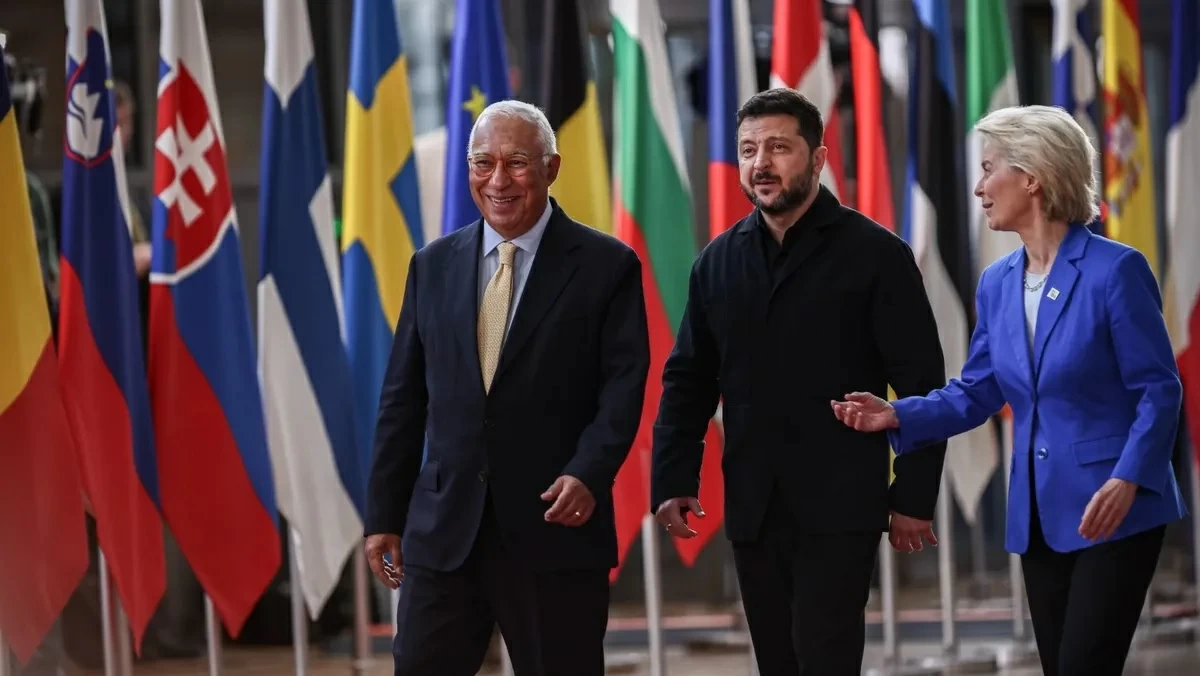
استأنف قادة الاتحاد الأوروبي، اليوم الجمعة، مفاوضاتهم في بروكسل لليوم الثاني من القمة، وسط خلافات حادة بشأن تمويل أوكرانيا، واستخدام الأصول الروسية المجمدة، والميزانية الأوروبية طويلة الأجل، وأسعار الطاقة والهجرة، في وقت تتزايد فيه المخاوف من تراجع الدعم الأمريكي لكييف.
أصول روسيا.. عقدة تمويل أوكرانيا
تصدرت احتياجات أوكرانيا المالية والعسكرية جدول الأعمال، مع تحذيرات أوروبية من قرب نفاد أموال كييف وحاجتها إلى تمويل عاجل لعامي 2026 و2027، خصوصاً لتوفير أنظمة الدفاع الجوي والمعدات العسكرية.
ودعت رئيسة الوزراء الدنماركية مته فريدريكسن، إلى استخدام الأصول الروسية المجمدة لتمويل الدفاع الأوكراني والأوروبي، وتحميل موسكو كلفة الحرب. لكن المقترح اصطدم بمعارضة بلجيكا، التي تستضيف مؤسسة «يوروكلير» الحائزة معظم هذه الأصول، إذ طالب رئيس وزرائها بارت دي ويفر بضمانات غير محدودة ضد أي رد روسي. وأبدت فرنسا بدورها تحفظات قانونية بشأن المقترح.
وحذرت مسؤولة السياسة الخارجية الأوروبية، كايا كالاس، من صعوبة العلاقات مع واشنطن، مشيرة إلى مخاوف من تقليص بعض القدرات التي تعتمد عليها أوكرانيا، ومنها خدمة «ستارلينك». وأكدت رئيسة المفوضية الأوروبية، أورسولا فون دير لاين، أن الاتحاد يعمل على الحزمة الـ22 من العقوبات ضد روسيا، مشددة على أن رفع العقوبات لن يسبق انتهاء الحرب.
الميزانية الأوروبية.. تأجيل التسوية
لم تحقق المفاوضات بشأن الميزانية متعددة السنوات للفترة 2028-2034 تقدماً ملموساً، بعدما أخفقت محاولة تسوية تضمنت خفض الإنفاق بنحو 141 مليار يورو مقارنة بمقترح المفوضية الأوروبية.
وتنقسم الدول بين معسكر يدعو إلى تقليص النفقات وربط التمويل بالأهداف، تقوده ألمانيا والسويد والدنمارك والنمسا وهولندا وبلجيكا، ودول تتمسك بحماية مخصصات الزراعة والتنمية الإقليمية وصناديق التماسك.
وتتواصل الخلافات بشأن مصادر الإيرادات الجديدة، مع مقترحات لفرض رسوم على الأصول المشفرة والمقامرة الإلكترونية وشركات التكنولوجيا الكبرى. وتُرجئ الانقسامات التوصل إلى اتفاق، وسط مساعٍ لعقد قمة استثنائية في نوفمبر تمهيداً لتسوية قبل نهاية العام.
الطاقة والتحول الأخضر.. خلافات حول الكلفة
وتسببت الخلافات بشأن نظام تداول الانبعاثات الأوروبي في إطالة المناقشات، خصوصاً النظام الجديد الذي يشمل المباني والنقل البري، وسط مخاوف من ارتفاع تكاليف تدفئة المنازل والطاقة.
وتطالب بولندا والتشيك وسلوفاكيا والمجر بتأجيل تطبيق النظام إلى عام 2030، بدعم من اليونان وإيطاليا، بينما تدعو دول أخرى إلى المضي في تطبيقه. وفي محاولة لتقريب المواقف، طلب القادة تحديث تقييم تأثيراته والضمانات المرتبطة به، دون إقرار تأجيل رسمي جديد.
الهجرة والأمن والتوسع الأوروبي
وشملت الملفات المطروحة تشديد الرقابة على الحدود، وإنشاء مراكز لإعادة المهاجرين خارج الاتحاد، ومواجهة الهجمات الروسية الهجينة وتعزيز الأمن البحري.
وناقش القادة توسيع الاتحاد والإصلاحات اللازمة لاستقبال أعضاء جدد، وفي مقدمتهم أوكرانيا والجبل الأسود، إلى جانب العلاقات مع تركيا والجهود الرامية إلى استئناف محادثات السلام بشأن قبرص.
وتكشف الخلافات المتزامنة عن صعوبة بناء توافق أوروبي بشأن أولويات الأمن والإنفاق والطاقة، في وقت يواجه فيه الاتحاد ضغوطاً متزايدة لدعم أوكرانيا وتعزيز قدراته الدفاعية، مع الحفاظ على التوازن بين المصالح الوطنية والالتزامات المشتركة.
European Union leaders resumed their negotiations in Brussels today, Friday, for the second day of the summit, amid sharp disagreements over funding for Ukraine, the use of frozen Russian assets, the long-term European budget, energy prices, and migration, at a time when concerns are growing over a decline in American support for Kyiv.
Russian Assets.. The Knot of Funding for Ukraine
Ukraine's financial and military needs topped the agenda, with European warnings about the imminent depletion of Kyiv's funds and its urgent need for financing for 2026 and 2027, particularly to provide air defense systems and military equipment.
The Danish Prime Minister Mette Frederiksen called for the use of frozen Russian assets to finance Ukrainian and European defense, holding Moscow accountable for the cost of the war. However, the proposal faced opposition from Belgium, which hosts the Euroclear institution that holds most of these assets, as its Prime Minister Bart De Wever demanded unlimited guarantees against any Russian retaliation. France also expressed legal reservations regarding the proposal.
European foreign policy chief, Kaja Kallas, warned of difficulties in relations with Washington, pointing to concerns about the reduction of some capabilities that Ukraine relies on, including the Starlink service. European Commission President Ursula von der Leyen confirmed that the EU is working on the 22nd package of sanctions against Russia, emphasizing that lifting sanctions will not precede the end of the war.
The European Budget.. Postponement of Settlement
The negotiations regarding the multiannual budget for the period 2028-2034 did not achieve significant progress, after a settlement attempt failed that involved cutting spending by about 141 billion euros compared to the European Commission's proposal.
Countries are divided between a camp calling for reduced expenditures and linking funding to objectives, led by Germany, Sweden, Denmark, Austria, the Netherlands, and Belgium, and countries that insist on protecting allocations for agriculture, regional development, and cohesion funds.
Disagreements continue over new revenue sources, with proposals to impose fees on cryptocurrencies, online gambling, and major tech companies. The divisions are delaying reaching an agreement, amid efforts to hold an extraordinary summit in November in preparation for a settlement before the end of the year.
Energy and Green Transition.. Disagreements Over Costs
Disagreements over the European emissions trading system have prolonged discussions, particularly the new system that includes buildings and land transport, amid fears of rising heating and energy costs.
Poland, the Czech Republic, Slovakia, and Hungary are calling for the implementation of the system to be postponed until 2030, supported by Greece and Italy, while other countries are urging to proceed with its implementation. In an attempt to bridge positions, leaders requested an update on the assessment of its impacts and the associated guarantees, without agreeing to a new official postponement.
Migration, Security, and European Expansion
The topics discussed included tightening border controls, establishing centers for the repatriation of migrants outside the Union, countering hybrid Russian attacks, and enhancing maritime security.
The leaders discussed the expansion of the Union and the necessary reforms to accommodate new members, primarily Ukraine and Montenegro, along with relations with Turkey and efforts to resume peace talks regarding Cyprus.
The simultaneous disagreements reveal the difficulty of building a European consensus on priorities for security, spending, and energy, at a time when the Union faces increasing pressure to support Ukraine and strengthen its defense capabilities, while maintaining a balance between national interests and shared commitments.